Health Guides: Practical Tips & 2025 Medication Updates
Welcome to the Health hub where you get straight‑to‑the‑point info on the drugs you’re curious about. Whether you’re sorting out a new prescription, checking side‑effects, or just want to feel safer with your meds, you’re in the right place. No jargon, no fluff—just what you need to know now.
Top 2025 Medication Guides
We’ve pulled together the most asked‑about drugs for 2025. Here’s a quick snapshot of what you’ll find:
- Medexil – Learn what this name usually means, how to verify you have the right pill, key safety rules, and how to spot counterfeits.
- Promethazine – Get the low‑down on doses for adults and kids, common side effects, major warnings, and safer alternatives if you’re uneasy.
- Noroxin (Norfloxacin) – Understand who should avoid this fluoroquinolone, its typical dosing, and what safer antibiotics can replace it.
- Bepotastine and Sleep – Find out if this antihistamine will knock you out or keep you awake, plus timing tips to improve rest.
- Allergic Reaction to Lisinopril‑HCTZ – Know the immediate steps if you notice swelling or rash, when to call emergency services, and how to prevent future reactions.
Each guide breaks the science into bite‑size pieces, so you can decide quickly if you need to talk to your doctor or head to the pharmacy.
How to Use This Site Safely
Before you dive into any guide, keep these three habits in mind:
- Check the date. All our pages show the 2025 update, meaning the info reflects the latest guidelines and research.
- Cross‑check with your prescriber. We give you a solid starting point, but your doctor knows your full health picture.
- Stay alert to side‑effects. If something feels off—new rash, dizziness, or trouble breathing—stop the medication and seek care right away.
We also suggest bookmarking the page for the drug you’re taking. That way you have a quick reference if a new symptom shows up or you hear about a recall.
Got a question that isn’t covered? Drop a comment at the end of the article. Our team reads every note and will add the answer in a future update.
Remember, knowledge is the first line of defense. By staying informed, you protect yourself and make the most of your treatment plan. Browse, learn, and feel confident about your health choices.
Happy reading, and here’s to feeling better, faster.

Understanding Lipoprotein(a): Genetic Heart Risk and Modern Treatment Options
Discover why Lipoprotein(a) is a hidden genetic risk for heart disease, how it differs from standard cholesterol, and the latest breakthroughs in ASO treatment options.

Adverse Drug Events Explained: Definitions, Types, and Prevention
Learn about Adverse Drug Events, including definitions, common types like anticoagulant reactions, and proven prevention strategies for better medication safety.

Understanding Institutional Formularies: Hospital and Clinic Substitution Policies Explained
Explore how hospital formularies regulate drug substitution. Understand Florida Statute 400.143, committee roles, and the difference between insurance and institutional lists.
Nitrofurantoin and G6PD Deficiency: Understanding the Hemolytic Anemia Risk
Discover the hidden link between Nitrofurantoin and hemolytic anemia in G6PD deficient individuals. Learn symptoms, screening importance, and safe alternatives for UTI treatment.

REMS Programs: Risk Evaluation and Mitigation Strategies Explained for Patients and Providers
A comprehensive guide to REMS programs, explaining what Risk Evaluation and Mitigation Strategies are, how they work, and their impact on patient safety and medication access.

Antidepressant Discontinuation Syndrome: What It Is and How to Manage It Safely
Antidepressant discontinuation syndrome can cause dizziness, brain zaps, nausea, and insomnia when stopping medication. Learn how to safely taper off, recognize symptoms, and avoid misdiagnosis.
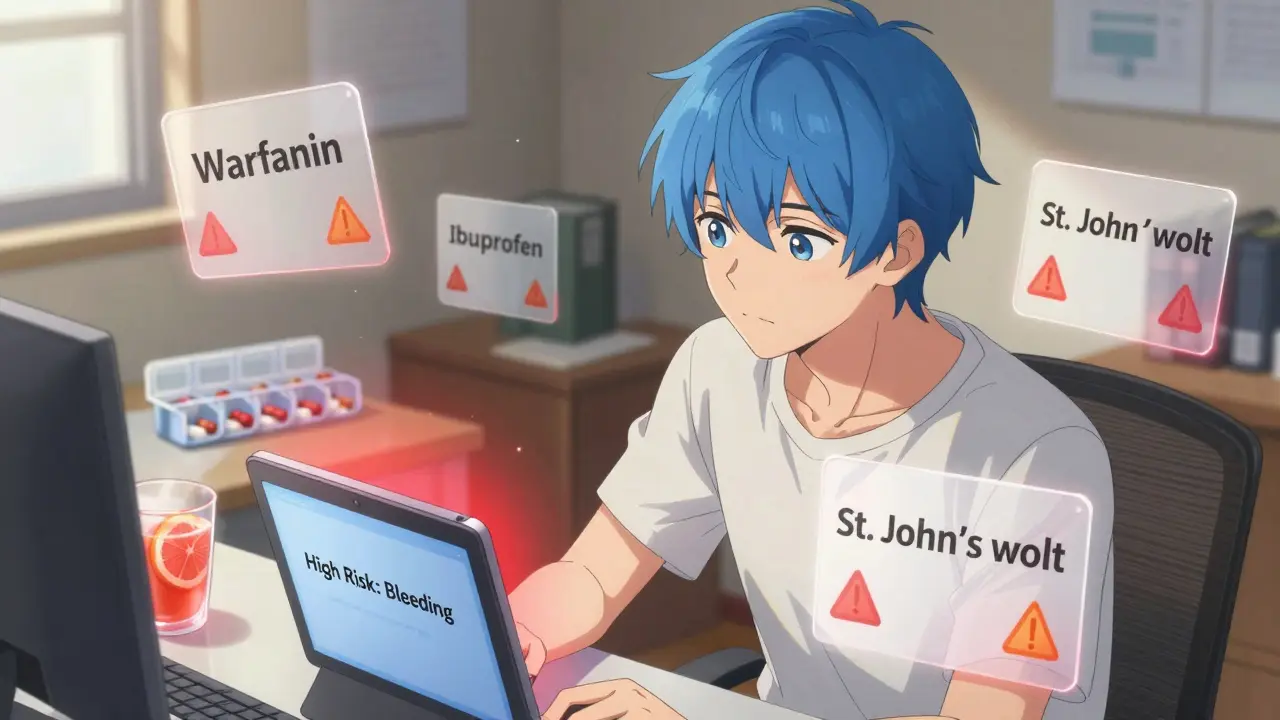
How to Use Drug Interaction Checkers: Step-by-Step Guide
Learn how to use drug interaction checkers to avoid dangerous medication combos. Step-by-step guide for patients and caregivers to stay safe with prescriptions, OTC drugs, and supplements.
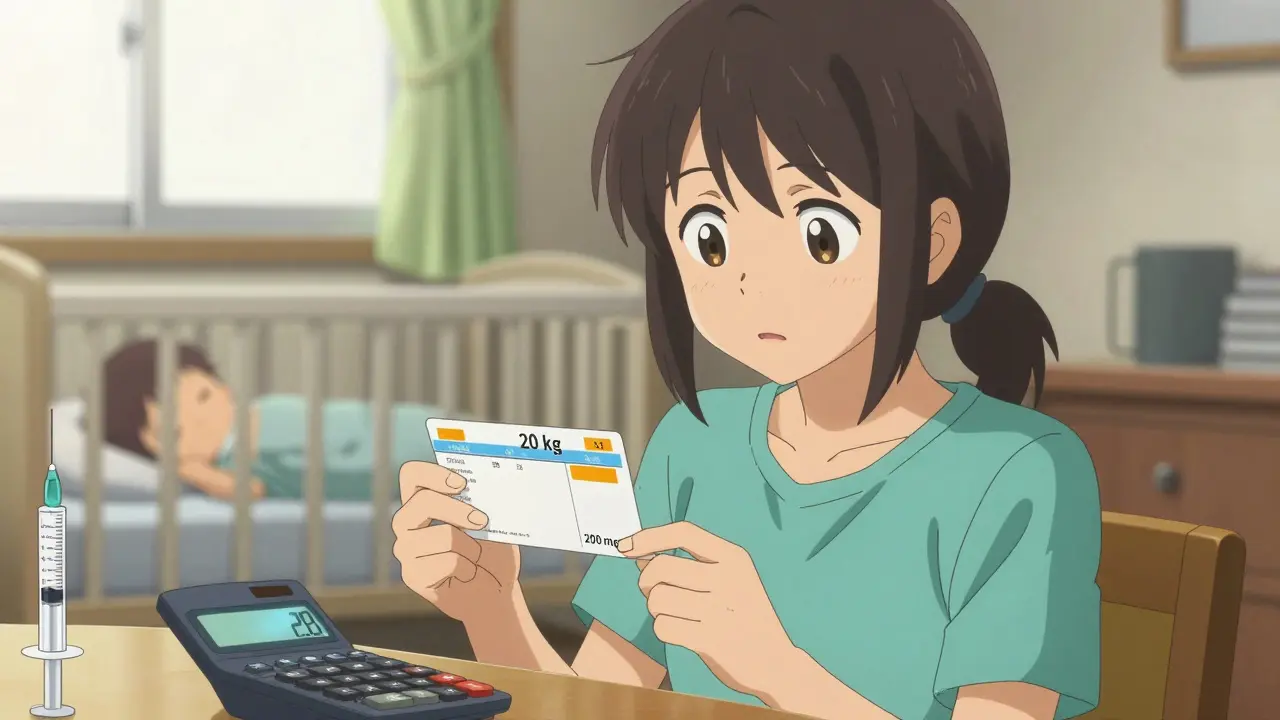
How to Confirm Pediatric Dosing on a Child’s Prescription Label
Confirm pediatric dosing on a child's prescription label by checking the weight in kg, dose in mg, and concentration. Avoid common errors like confusing mL with mg, using kitchen spoons, or trusting vague labels. Learn how to verify doses safely with expert-backed steps.
Serotonin Syndrome: Causes, Symptoms, and Emergency Response for Medications
Serotonin syndrome is a dangerous drug reaction caused by too much serotonin in the brain. Learn the warning signs, which medications trigger it, and what to do in an emergency to prevent life-threatening complications.
Managing Medication Allergies and Finding Safe Alternatives
Many people think they're allergic to penicillin, but most aren't. Learn how to tell the difference between a real drug allergy and a side effect, how to get tested, and what safe alternatives exist if you truly are allergic.

Meglitinides and Hypoglycemia: Why Irregular Meals Are Dangerous for These Diabetes Drugs
Meglitinides like repaglinide and nateglinide help control blood sugar after meals but carry a high risk of hypoglycemia if meals are skipped. Learn why timing matters and how to stay safe.
Immunogenicity in Biosimilars: Why Immune Responses May Differ From Reference Biologics
Biosimilars aren't exact copies of biologics - tiny manufacturing differences can trigger immune responses. Learn why some patients develop anti-drug antibodies and what factors make immunogenicity risk higher or lower.