
When older adults switch from brand-name drugs to generics, the goal is simple: save money without losing effectiveness. But for many seniors, especially those taking multiple medications, the switch isn’t as straightforward as it sounds. Even though the FDA requires generics to match brand-name drugs in active ingredients, strength, and dosage, elderly patients often experience real-world problems that aren’t captured in lab studies. These issues aren’t about quality-they’re about aging bodies, changing habits, and deep-seated fears.
Why Do Seniors Worry About Generics?
A 2023 study of 315 Medicare patients in New York found that fewer than half believed generic drugs were as safe or as effective as brand-name versions. That’s not just stubbornness-it’s rooted in experience. Many seniors remember when generics looked completely different: smaller pills, odd colors, unfamiliar logos. Some reported feeling worse after switching, even when lab results showed no change in drug levels. For patients with chronic conditions like thyroid disease or heart failure, that uncertainty can be paralyzing.One Reddit thread from June 2024 collected 147 stories from seniors who switched from Synthroid (brand levothyroxine) to a generic version. Seventy-three percent said their symptoms returned-fatigue, weight gain, brain fog. While clinical studies haven’t proven a consistent difference in effectiveness, the emotional impact is real. When trust breaks down, adherence drops. And for seniors on tight budgets, skipping doses because they’re afraid isn’t a choice-it’s a survival tactic.
The Body Changes with Age-And So Does How Drugs Work
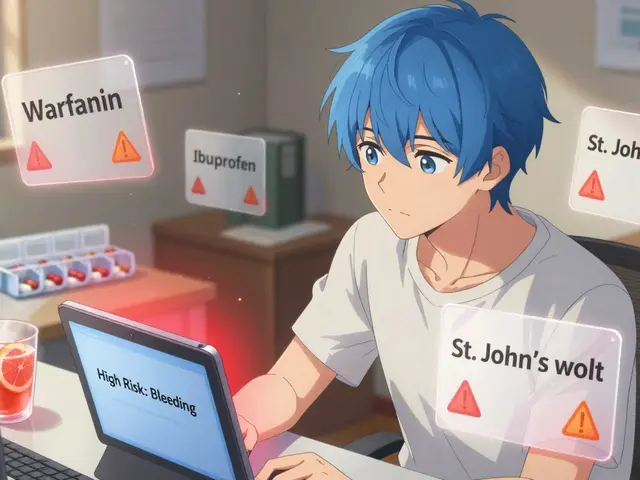
Your body doesn’t process medicine the same way at 80 as it did at 50. Kidneys slow down. Liver blood flow drops. Fat and muscle ratios shift. These aren’t minor tweaks-they’re major changes in how drugs are absorbed, distributed, and cleared.Take warfarin, a blood thinner used to prevent strokes. The difference between too little and too much can mean the difference between a clot and a bleed. A 2021 study of over 134,000 patients found a 18.3% higher risk of emergency room visits within 30 days of switching warfarin formulations. That’s not because generics are inferior-it’s because small variations in how the drug is released can tip the balance in someone with already fragile kidney function. The American Geriatrics Society explicitly warns against automatic substitution for elderly patients on warfarin without close INR monitoring.
Another issue? Body weight. Over one-third of adults over 85 have low body mass index. That means less tissue to absorb the drug, which can lead to higher blood concentrations than expected-even with the same dose. For drugs with a narrow therapeutic window-like digoxin, lithium, or phenytoin-this can be dangerous. The FDA’s 2022 draft guidance now requires extra bioequivalence testing for these high-risk drugs, specifically to account for older adults.
Polypharmacy Is the Silent Killer
Nearly half of all Medicare beneficiaries take five or more medications daily. That’s called polypharmacy. And it’s the biggest risk factor for bad outcomes. Each additional pill increases the chance of side effects, interactions, and mistakes.Seniors on multiple drugs are 91% more likely to be hospitalized due to adverse drug events, according to a 2024 meta-analysis. The problem isn’t just the number of pills-it’s the confusion. Imagine someone taking eight pills at once: one for blood pressure, one for diabetes, one for arthritis, two for sleep, an OTC painkiller, a stool softener, and a generic thyroid pill. When the thyroid pill changes shape, they might think it’s a different drug entirely. Or worse-they skip it because they’re afraid it’s not the same.
And let’s not forget OTCs. Four of the top 10 drugs used by seniors are available without a prescription: ibuprofen, aspirin, acetaminophen, and diphenhydramine. But many OTC versions combine ingredients. One pill might contain both acetaminophen and a sleep aid. Take two, and you’ve accidentally overdosed. Studies show 45% of acetaminophen use in seniors is dangerous because of hidden dosing.

Perception Isn’t Just in the Mind-It Affects Real Outcomes
A 2017 NIH study of 2.2 million seniors found that one in four believed generics were less effective. One in five thought they were less safe. And 20 to 40% were unsure across five key drug characteristics-like how fast it worked or how long it lasted.That uncertainty doesn’t stay in the head. It shows up in behavior. Patients who doubt generics are 30% more likely to miss doses or stop taking their meds entirely. In a 2022 Pharmacy Times analysis, half of seniors with low health literacy believed generics were inferior. The result? Higher hospitalization rates, more ER visits, and longer recovery times.
But here’s the flip side: 82% of Medicare beneficiaries report no noticeable difference when switching to generics for common conditions like high blood pressure or cholesterol. A 2023 AARP analysis found the average savings per patient was $327 a year. That’s money that can go toward groceries, heating, or medical copays.
What Should You Do? Practical Steps for Safer Switching
Switching to generics isn’t something to avoid-it’s something to manage wisely. Here’s how:- Ask for a trial period. If you’re switching from brand to generic, ask your doctor to monitor you for 4-6 weeks. Check symptoms. Track energy, mood, and sleep. Report changes.
- Know your high-risk drugs. Warfarin, levothyroxine, digoxin, and epilepsy meds need extra care. Don’t switch without talking to your pharmacist or doctor.
- Use pill organizers with pictures. If your generic pill looks different, take a photo of the old and new pills. Keep them together. Visual cues help memory.
- Get a medication review. Ask your pharmacist or a geriatric care manager to do a full drug check. They can spot duplicates, interactions, and unnecessary pills. One study showed this reduced inappropriate prescriptions by 37%.
- Use the teach-back method. After your doctor explains why the switch is safe, ask them to explain it back to you. If you can repeat it correctly, you’re more likely to stick with it. Studies show this boosts adherence by 42%.

What’s Changing in 2026?
The American Geriatrics Society is updating its guidelines this year to include stronger recommendations for pharmacist-led deprescribing in emergency rooms. The National Action Plan for Adverse Drug Event Prevention is now targeting NSAID-related harm-especially in seniors who take ibuprofen daily for pain.Three NIH-funded studies are currently recruiting seniors over 75 with multiple chronic conditions to compare brand and generic outcomes over a year. The results could reshape how we think about generic substitution for the elderly.
Meanwhile, Medicare Part D filled over 527 million generic prescriptions in 2022-89% of all prescriptions. That number is expected to hit 93.5% by 2030. But unless we fix the trust gap, those savings won’t translate into better health.
Generics aren’t inferior. But for seniors, safety isn’t just about chemistry-it’s about communication, confidence, and care.
Are generic drugs really as effective as brand-name drugs for elderly patients?
Yes, by FDA standards, generic drugs must contain the same active ingredient, strength, and dosage form as the brand-name version, and they must be absorbed at the same rate and to the same extent. However, elderly patients may experience differences due to age-related changes in how their bodies process drugs-like slower kidney function or lower body weight. While large studies haven’t proven generics are less effective, some high-risk medications (like warfarin or levothyroxine) require careful monitoring after switching because small variations can have big effects in older adults.
Which medications should seniors avoid switching to generics?
The American Geriatrics Society advises caution with drugs that have a narrow therapeutic index-meaning the difference between a helpful dose and a harmful one is very small. These include warfarin (blood thinner), levothyroxine (thyroid hormone), digoxin (heart medication), phenytoin (anti-seizure), and lithium (mood stabilizer). Automatic substitution without close monitoring isn’t recommended. Always talk to your doctor or pharmacist before switching these drugs.
Why do some seniors feel worse after switching to a generic pill?
The pill may look different-smaller, different color, or with a new logo-which can trigger anxiety and reduce adherence. Some patients report symptoms returning, especially with thyroid or heart medications. While clinical studies don’t consistently show a difference in effectiveness, older adults with multiple health issues may be more sensitive to small changes in drug absorption. In some cases, the generic may have a different inactive ingredient that affects how quickly the drug dissolves. If symptoms change after switching, contact your provider right away.
Can switching to generics cause dangerous drug interactions?
The generic drug itself doesn’t cause new interactions-it’s the same active ingredient. But switching can lead to confusion, especially in seniors taking five or more medications. If they think the new pill is different, they might stop taking it, take extra doses, or mix it with other drugs like OTC painkillers. This is especially risky with drugs like aspirin or acetaminophen, where over-the-counter versions often contain hidden ingredients. Polypharmacy increases the risk of mistakes more than the switch itself.
How can I help an elderly loved one safely switch to generics?
Start by talking to their pharmacist or geriatric care provider. Ask for a medication review to identify high-risk drugs. Use visual aids-take pictures of the old and new pills. Help them use a pill organizer with labels. Encourage them to report any changes in energy, mood, or symptoms. Use the teach-back method: ask them to explain why the switch is safe. If they’re unsure, delay the switch until you can get professional advice. Don’t assume they understand just because they nod.




Charity Hanson
February 27, 2026 AT 19:30Also, pharmacy techs are your best friends. Ask them to walk you through the changes. They see this every day.
Noah Cline
March 1, 2026 AT 08:06Lisa Fremder
March 1, 2026 AT 16:39Justin Ransburg
March 3, 2026 AT 05:30Sumit Mohan Saxena
March 4, 2026 AT 12:38Ajay Krishna
March 5, 2026 AT 07:01Brandon Vasquez
March 5, 2026 AT 11:12Vikas Meshram
March 5, 2026 AT 12:58Ben Estella
March 6, 2026 AT 13:14bill cook
March 7, 2026 AT 19:19Byron Duvall
March 8, 2026 AT 21:09Katherine Farmer
March 10, 2026 AT 06:52Full Scale Webmaster
March 11, 2026 AT 02:54