Archive: 2026/01

Generic vs Brand-Name Drugs: Key Differences Explained
Generic drugs work the same as brand-name versions but cost 80-85% less. The FDA requires them to meet identical safety and effectiveness standards. Learn when to choose generic and when to stick with brand.
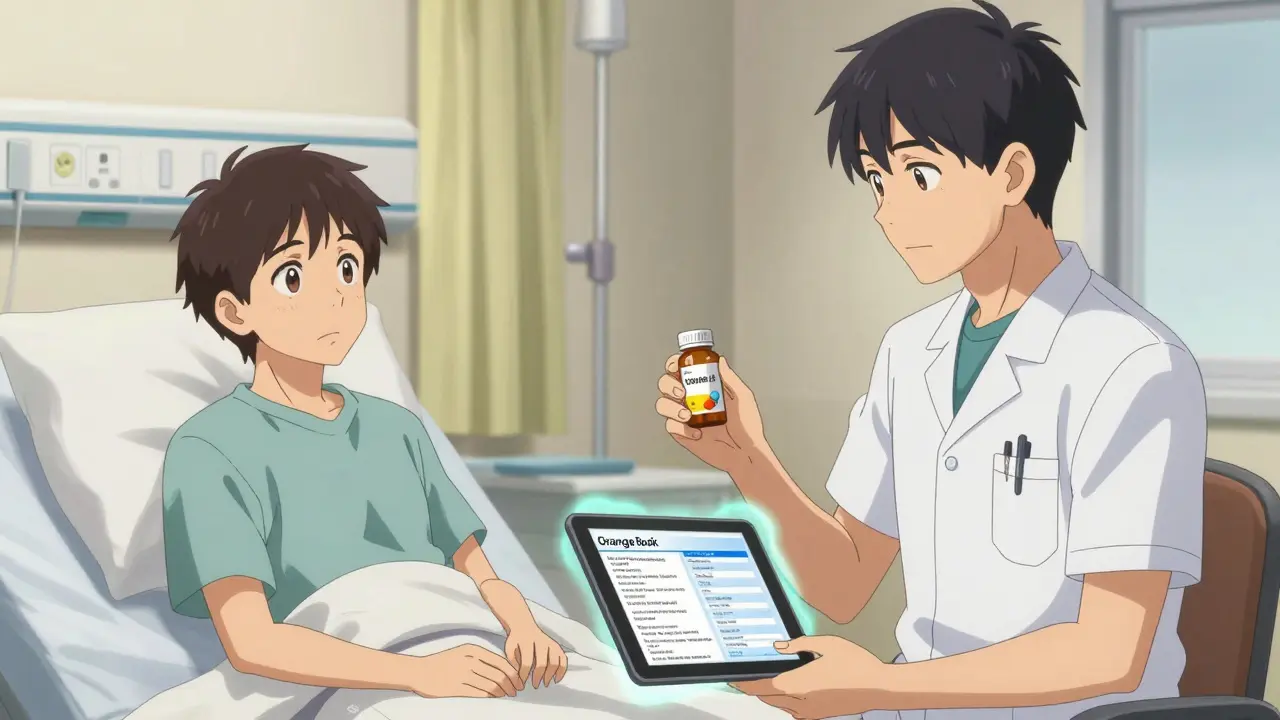
How Nurses Counsel Patients on Generic Medications: A Practical Guide
Nurses play a vital role in helping patients understand that generic medications are just as safe and effective as brand-name drugs. Learn how they use simple, evidence-based counseling to improve adherence and prevent dangerous medication errors.

Aspirin for Primary Prevention: Who Should Skip Daily Doses
Daily aspirin for heart health is no longer recommended for most people. Learn who should avoid it, why guidelines changed, and what to do instead to protect your heart safely.

Pulmonary Embolism: Sudden Shortness of Breath and How It's Diagnosed
Sudden shortness of breath could signal a pulmonary embolism-a life-threatening blood clot in the lungs. Learn the key symptoms, how it’s diagnosed with D-dimer and CT scans, who’s at risk, and why quick action saves lives.
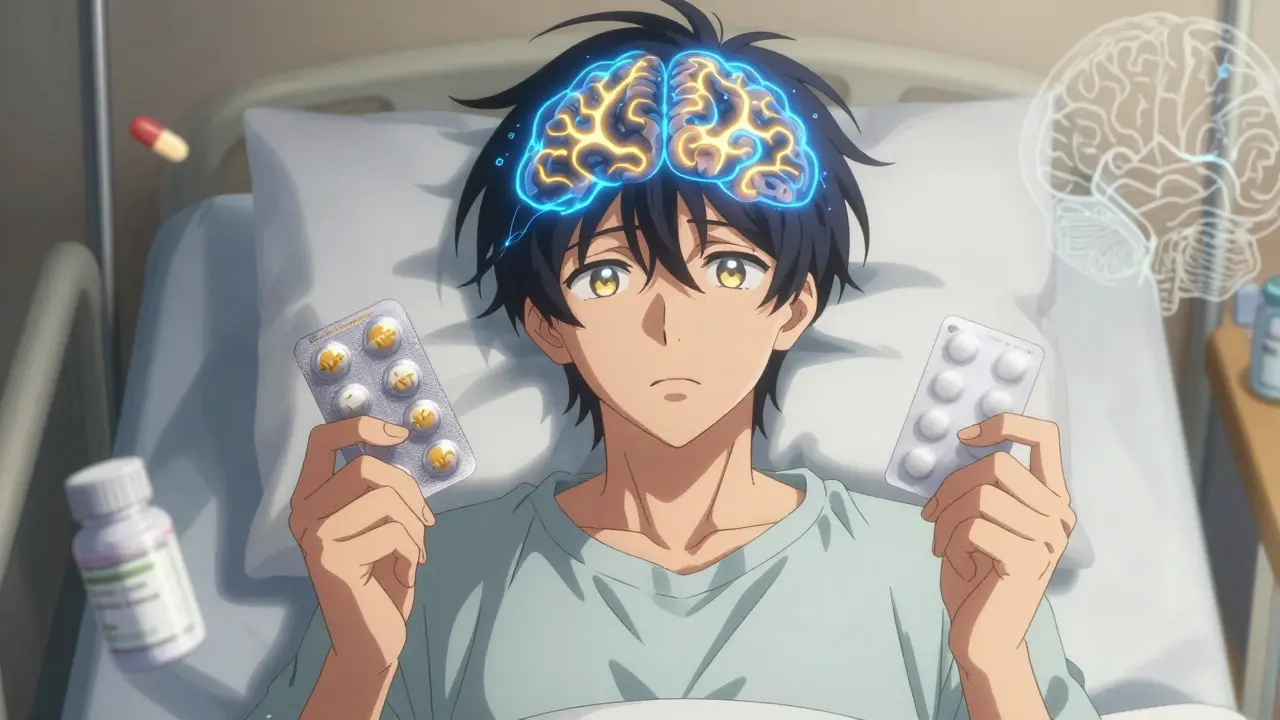
Placebo Effect and Generics: How Psychology Affects Your Medication Results
Generics work the same as brand-name drugs-but your brain might not believe it. Learn how psychological factors like expectation and cost perception affect medication effectiveness and adherence.

Insurance Changes and Generic Switching: How Formulary Updates Affect Your Prescription Costs in 2025
Learn how 2025 Medicare Part D formulary changes are pushing patients toward generics and biosimilars - and what you can do to protect your prescriptions, control costs, and avoid unexpected coverage shifts.

Liver Function Tests Explained: ALT, AST, Bilirubin, and What They Really Mean
Learn what ALT, AST, and bilirubin really mean in liver function tests. Understand patterns, when to worry, and what to do next - without the medical jargon.
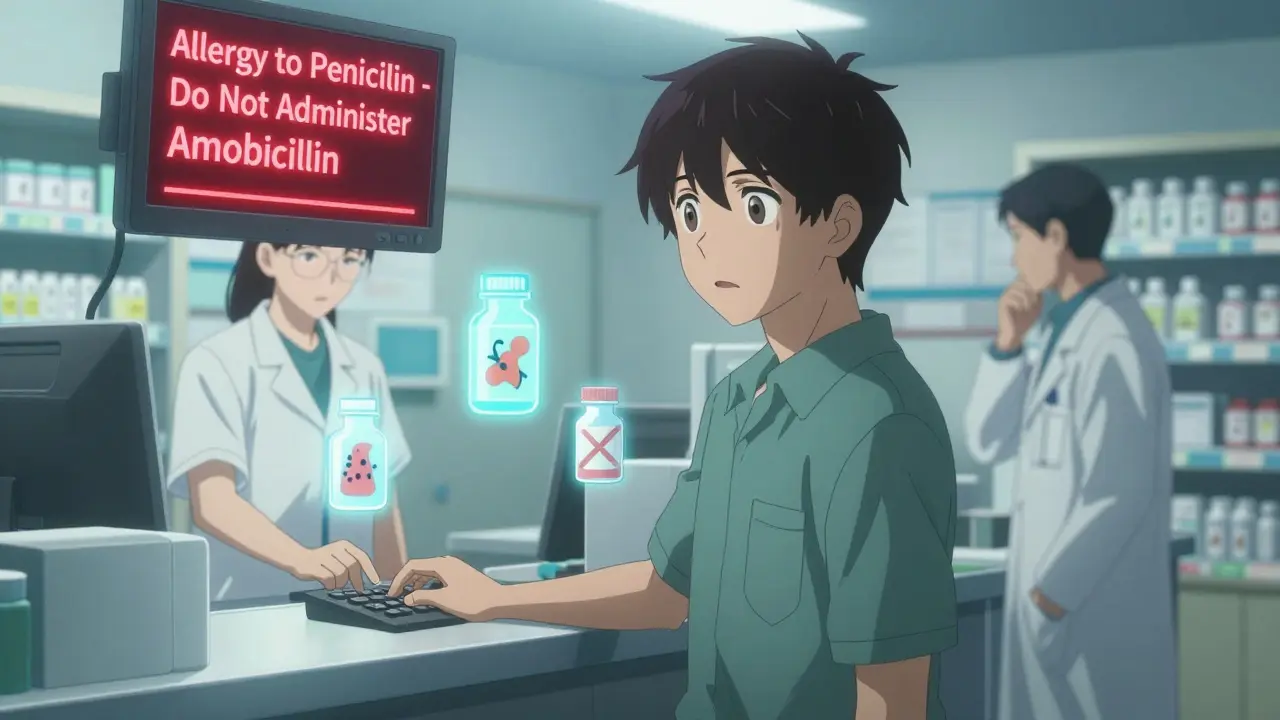
How to Read Pharmacy Allergy Alerts and What They Really Mean
Learn how to interpret pharmacy allergy alerts correctly - why most are wrong, how to tell real dangers from false alarms, and what you can do to make your records accurate and your care safer.

Thalidomide and Teratogenic Medications: History and Lessons
Thalidomide caused thousands of birth defects in the 1950s and 60s, leading to global drug safety reforms. Today, it's used under strict controls for cancer and leprosy - a stark reminder of why pregnancy safety in medicine matters.

Thalidomide and Teratogenic Medications: History and Lessons in Pregnancy Safety
Thalidomide caused over 10,000 birth defects in the 1950s and 60s, leading to global drug safety reforms. Learn how this tragedy reshaped pregnancy medication guidelines and why it still matters today.

Obesity Comorbidities: How Diabetes, Heart Disease, and Sleep Apnea Connect and What to Do About It
Obesity drives diabetes, heart disease, and sleep apnea in a dangerous cycle. Learn how these conditions connect, why they’re often missed, and what actually works to break the chain.

Remission in Type 2 Diabetes: How Weight Loss Can Lead to Medication-Free Control
Type 2 diabetes remission is possible through significant weight loss, allowing some people to stop medication and maintain normal blood sugar. Learn how it works, who qualifies, and why it's not a cure.