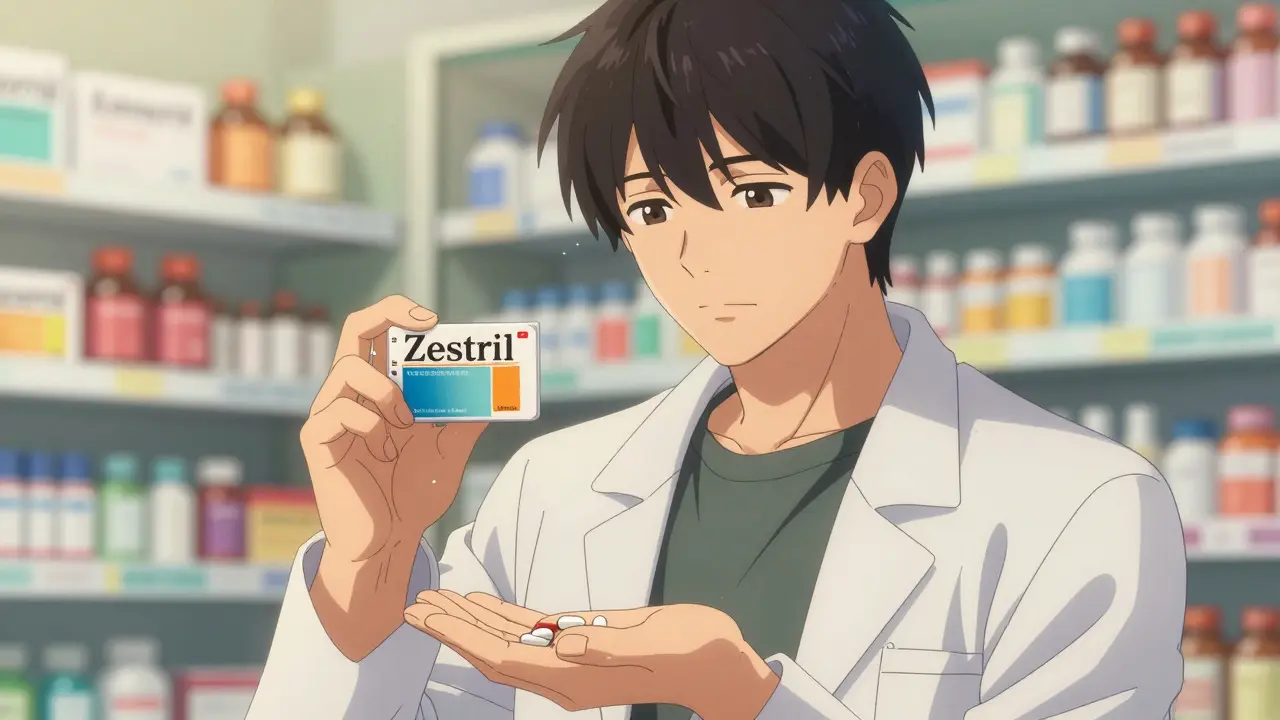
Generic drugs aren’t cheaper because they’re worse - they’re cheaper because they don’t need to repeat the same expensive research.
You’ve probably seen the difference at the pharmacy: one pill costs $5, another costs $60. Same name on the bottle, same condition you’re treating - but one is labeled generic and the other says brand-name. It’s natural to wonder: Is the cheaper one safe? Does it work just as well? The truth is, for most people, the answer is yes - and here’s why.
The U.S. Food and Drug Administration (FDA) requires generic drugs to contain the exact same active ingredient, strength, dosage form, and route of administration as the brand-name version. That means if you’re taking lisinopril for high blood pressure, whether it’s sold as Zestril or as a generic, the chemical doing the work inside your body is identical. The FDA doesn’t allow anything less.
How generic drugs get approved - and why they cost so much less
Brand-name drug companies spend years and hundreds of millions of dollars developing a new medication. They run clinical trials, pay for marketing, and cover the cost of patent protection. Once the patent expires, other companies can make the same drug - but they don’t have to start from scratch.
Generic manufacturers only need to prove one thing: bioequivalence. That means their version delivers the same amount of active ingredient into your bloodstream at the same speed as the brand-name drug. The FDA requires this difference to be within 80% to 125% - tight enough that it won’t affect how the drug works in your body.
Because they skip the expensive early-stage trials, generic makers can sell the same medicine for 80% to 85% less. According to the Association for Accessible Medicines, generic drugs saved the U.S. healthcare system over $1.67 trillion between 2007 and 2016. In 2022 alone, the average prescription for a generic cost $12.50 out-of-pocket. The brand-name version? $68.30.
What’s different about generic drugs - and what’s not
While the active ingredient is identical, generics can look different. They might be a different color, shape, or size. That’s not because they’re inferior - it’s because U.S. trademark laws prevent generic drugs from looking exactly like the brand-name version. You can’t have a generic version of a blue oval pill that looks identical to the original.
They also might contain different inactive ingredients - things like fillers, dyes, or flavorings. These don’t affect how the drug works, but they can matter for people with allergies. If you’re sensitive to lactose or red dye, check the label. Most pharmacies list inactive ingredients on the packaging or can tell you upon request.
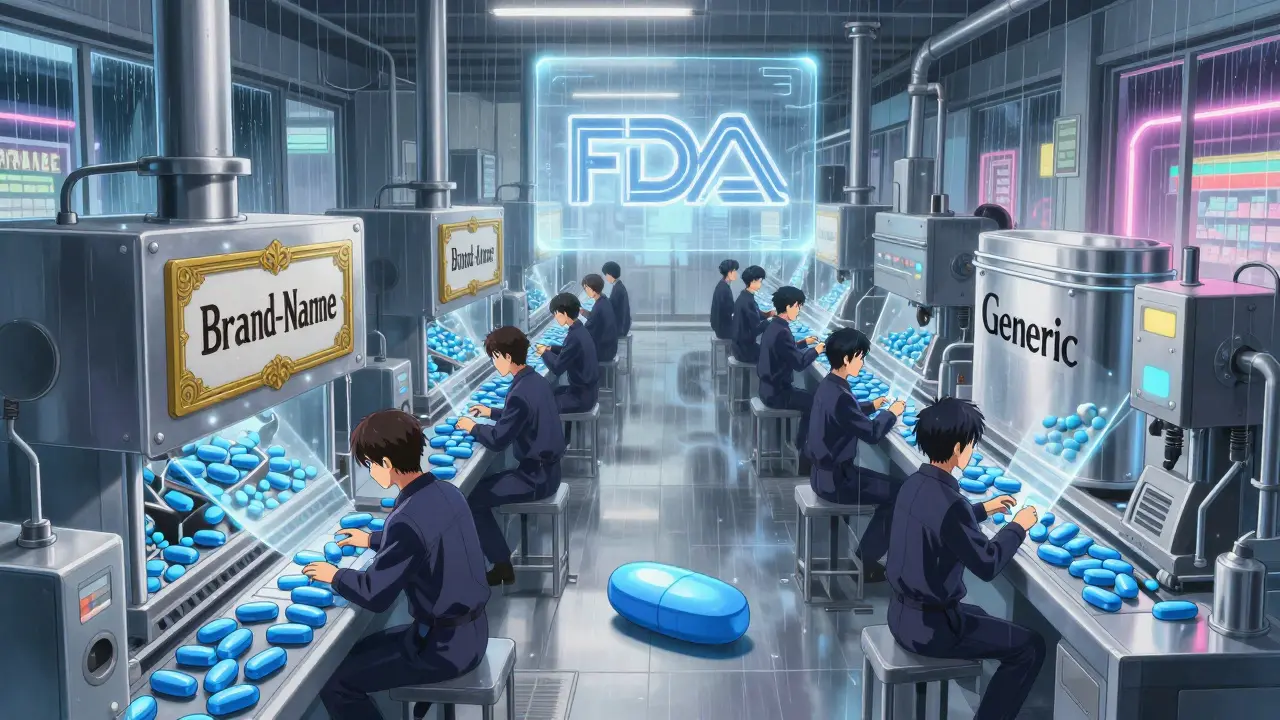
And here’s something most people don’t realize: the same factories often make both brand-name and generic versions. Many brand-name companies also produce generics under a different label once their patent expires. The difference isn’t in quality - it’s in branding and cost structure.
When generics are the obvious choice
For chronic conditions - like high blood pressure, diabetes, high cholesterol, or depression - generics are the smart move. These are medications you take for years, sometimes decades. Saving $50 a month on your metformin or atorvastatin adds up to $600 a year. Multiply that by five medications, and you’re talking real money.
Studies back this up. A 2019 analysis in JAMA Internal Medicine followed 38,000 patients on levothyroxine (a thyroid hormone). Half took the brand-name version, half took generic. There was no difference in hospital visits, lab results, or symptoms. Another large Reddit thread from 2023 with over 140 comments found that 86% of users reported zero difference between brand and generic versions of common drugs like lisinopril, metformin, and sertraline.
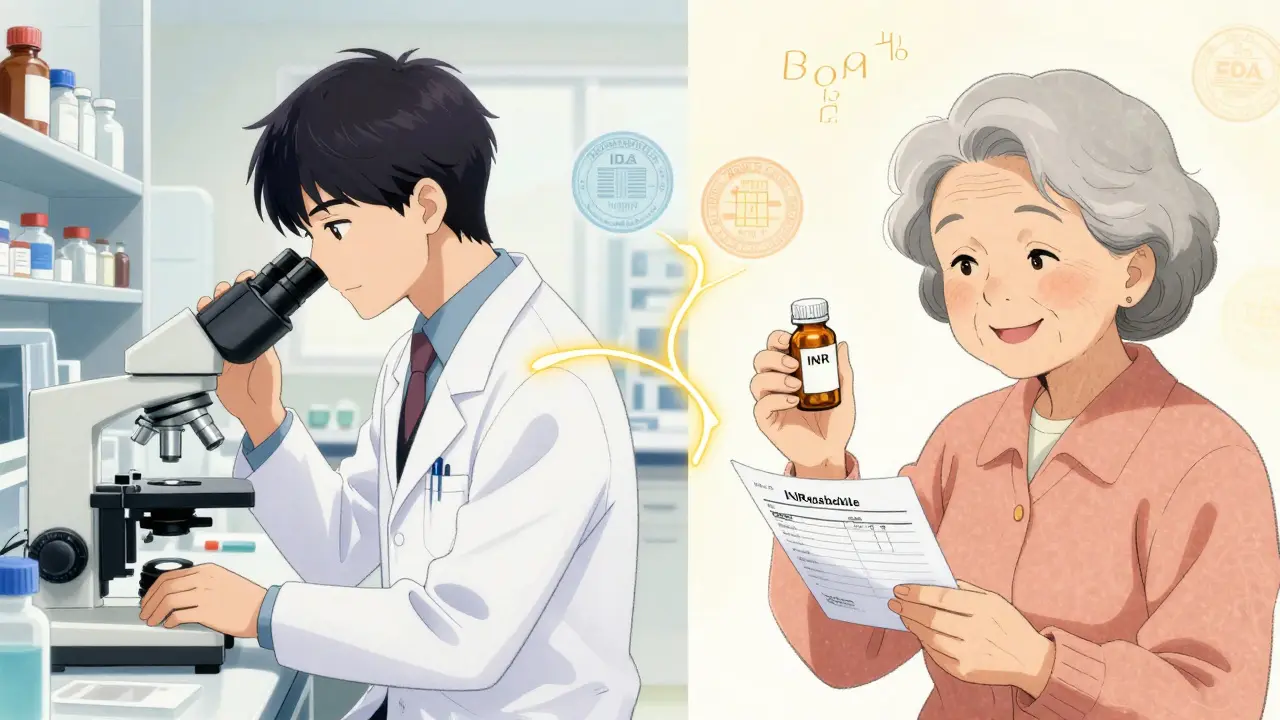
Pharmacists in Rochester, New York, say they see patients switch to generics every day - and most never look back. One woman, 68, told her pharmacist she’d been paying $180 a month for her blood thinner until she switched to generic warfarin. Now she pays $12. She said, “I didn’t feel any different. My INR numbers are the same. Why would I pay five times more?”
The exceptions - when brand-name might still be preferred
Not every drug has a generic. About 30% of brand-name medications still don’t have a generic version because they’re too complex to copy, or their patents haven’t expired yet. This includes many newer cancer drugs, biologics, and specialty medications.
Even among generics, there are rare cases where doctors or patients prefer to stick with the brand. These are drugs with a narrow therapeutic index - meaning the difference between an effective dose and a harmful one is very small. Examples include warfarin (a blood thinner), levothyroxine (thyroid hormone), and some seizure medications like phenytoin or lamotrigine.
The FDA still requires these generics to meet stricter bioequivalence standards (90% to 111%) to ensure safety. But some specialists worry that even tiny variations in absorption could matter over time. One patient on Reddit shared that her mother’s seizures returned after switching from brand Lamictal to generic lamotrigine. She had to go back to the brand - and her doctor agreed.
That’s why it’s important to talk to your doctor if you’re switching. If you’re on a medication where small changes matter, your provider might write “dispense as written” on your prescription. That tells the pharmacy not to substitute.
What you should do - and what you shouldn’t worry about
Here’s the practical advice:
- Ask if a generic is available for any new prescription. It’s not just cheaper - it’s just as effective for 9 out of 10 drugs.
- If you’re switching from brand to generic, pay attention for the first few weeks. Do you feel different? Any new side effects? If yes, tell your doctor. But don’t assume it’s the generic - it could be something else.
- Keep a list of what you’re taking, including both brand and generic names. You’ll need it if you change pharmacies or see a new doctor.
- Don’t assume “no generic” means “better.” Many brand-name drugs are just older drugs with a fancy name and a high price tag.
- If your insurance forces you to use a generic, don’t fight it. It’s not a trick - it’s how the system is designed to save money for everyone.
Some people worry that generics are “made in China” so they must be unsafe. But the FDA inspects every manufacturing facility - whether it’s in the U.S., India, or Germany - the same way. The active ingredient in your generic pill is held to the same standard as the brand-name version. The FDA doesn’t cut corners.
What’s changing - and what’s next
The generic drug market is growing fast. By 2028, it’s projected to hit $162 billion. Over 450 brand-name drugs are expected to lose patent protection in the next few years, opening the door for new generics.
The FDA is working to speed up approvals under its GDUFA III program, aiming to review applications in just 10 months by 2027. The 2022 Inflation Reduction Act also includes measures to push more generics onto the market for high-cost drugs.
Still, challenges remain. Some companies use “evergreening” tactics - making tiny changes to a drug to extend its patent. Others make complex generics like inhalers or topical creams that are hard to copy. But the trend is clear: more options, lower prices, and more access.
Bottom line: Choose generic unless your doctor says otherwise
There’s no secret. Generic drugs are not second-rate. They’re the same medicine, sold without the marketing budget. The FDA, the American Medical Association, and thousands of pharmacists agree: generics are safe, effective, and a smarter choice for most people.
If you’re paying hundreds a month for prescriptions, switching to generic could save you thousands over time. And unless you’ve had a real, measurable reaction to a specific generic - or your doctor has a clear reason to avoid it - there’s no reason not to choose it.
Medicine doesn’t have to be expensive to be good. Sometimes, the best option is the one that doesn’t carry a brand name at all.
Are generic drugs as safe as brand-name drugs?
Yes. The FDA requires generic drugs to meet the same strict standards for safety, strength, quality, purity, and performance as brand-name drugs. Every generic must prove it delivers the same active ingredient in the same way as the original. The FDA inspects manufacturing sites globally and monitors side effects after approval.
Why do generic drugs look different?
U.S. trademark laws prevent generic drugs from looking identical to brand-name versions. So generics may have different colors, shapes, or sizes. But these differences are only in appearance - not in how the drug works. The active ingredient and dosage remain unchanged.
Can I trust generics made in other countries?
Yes. The FDA inspects all manufacturing facilities - whether in the U.S., India, China, or elsewhere - using the same standards. Over 80% of active pharmaceutical ingredients for generics come from abroad, but every site must pass FDA inspections before products are allowed in the U.S. market.
Do pharmacists automatically give me the generic version?
In 49 states, pharmacists are required by law to substitute a generic if one is available - unless the doctor writes “dispense as written” on the prescription. You can always ask if a generic is available, and you can refuse it if you prefer the brand. But most people save money without losing effectiveness.
Are there any drugs where I should avoid generics?
For most drugs, no. But for medications with a narrow therapeutic index - like warfarin, levothyroxine, or some seizure drugs - even small changes in blood levels can matter. Some doctors and patients prefer to stick with one version (brand or generic) to avoid any potential fluctuations. Talk to your doctor if you’re unsure.
How do I know if a generic is right for me?
Start by asking your doctor or pharmacist. For chronic conditions like high blood pressure or diabetes, generics are almost always a safe, cost-effective choice. If you’ve had no issues with a generic before, there’s no reason to switch back. If you notice new side effects after switching, report them - but don’t assume it’s the generic. Often, it’s unrelated.


Donna Macaranas
February 1, 2026 AT 22:55My grandma switched to generic lisinopril last year and her blood pressure is actually more stable now. She says she didn’t feel any different, just happier that her pill bottle doesn’t cost a week’s worth of groceries. Honestly? If it works, why overpay?
Jaden Green
February 3, 2026 AT 05:29Let’s be real - the FDA’s ‘bioequivalence’ standard is a joke. 80% to 125%? That’s a 45% swing in bioavailability. You think that doesn’t matter when you’re on a drug where a 2% fluctuation can trigger a seizure or a clot? The system is rigged to push generics because Big Pharma and Big Insurance are the same entity now. You’re not saving money - you’re funding a corporate experiment on your body.
Angel Fitzpatrick
February 5, 2026 AT 00:45Did you know 78% of generic pills are manufactured in India and China? And guess what? The FDA inspects less than 2% of those facilities annually. That’s not oversight - it’s a fantasy. The active ingredient might match, but the fillers? The binders? The dust in the factory? That’s where the real toxicity hides. They’re not cutting corners - they’re bulldozing the entire pharmacopeia. And you’re okay with that because it’s cheaper? Welcome to the dystopia.
Nidhi Rajpara
February 5, 2026 AT 17:55Dear all, I am from India, and I work in pharmaceutical quality control. In India, generic drugs are produced under strict WHO-GMP guidelines, and many are exported to the United States. The manufacturing standards are not lower - they are precisely calibrated. However, I have observed that some small local manufacturers in the U.S. may use inferior excipients. Always check the manufacturer name on the bottle. Thank you.
Chris & Kara Cutler
February 5, 2026 AT 20:09GENERIC = WINNER 🏆💸 My insulin bill dropped from $400 to $30. I didn’t die. I didn’t get sick. I just got my life back. Stop overthinking it. Your body doesn’t care about the logo.
Rachel Liew
February 7, 2026 AT 15:37I switched my mom to generic levothyroxine after her doctor said it was fine. She was nervous, so we started with a small dose and watched her energy levels for a few weeks. Nothing changed - no fatigue, no heart palpitations. She’s been on it for 2 years now. I get why people worry, but most of the time, it’s just fear talking. You’re not alone in being scared - but you don’t have to stay scared.
Nicki Aries
February 8, 2026 AT 12:48Oh, so now we’re supposed to trust the FDA? The same agency that let opioids flood the country? The same one that approved a blood thinner with a 125% variability threshold? And you’re telling me that the same people who gave us Vioxx and Fen-Phen are now the guardians of my thyroid levels? I don’t trust the system - I trust my own experience. And mine? I had a panic attack after switching to generic sertraline. I went back to brand. My anxiety didn’t magically fix itself. The system doesn’t care if I’m functional - it cares if I’m profitable.
Melissa Melville
February 8, 2026 AT 13:37My cousin in Mumbai pays $2 for her generic metformin. I pay $12 in Ohio. The pills look identical. The science is identical. The only difference? The price tag and the American healthcare system. I’m not mad - I’m just really, really sad.