
DOAC vs Warfarin Safety Calculator
This tool uses evidence-based data from clinical studies to help you understand your bleeding risk with DOACs versus warfarin. Input your health factors below.
Your personalized bleeding risk assessment:
Based on your inputs, warfarin may be preferred.
When you’re on a blood thinner, the goal isn’t just to prevent clots-it’s to do it without putting yourself at risk for something worse: uncontrolled bleeding. For decades, warfarin was the only game in town. Today, most new prescriptions go to direct oral anticoagulants (DOACs) like apixaban, rivaroxaban, and dabigatran. But which one is safer for you? The answer isn’t simple. It depends on your age, kidney function, other meds, and even your diet.
How DOACs and Warfarin Work Differently
Warfarin doesn’t directly stop blood from clotting. It messes with vitamin K, a nutrient your body needs to make clotting proteins. That’s why eating a big salad one day and a steak the next can throw your INR (a blood test that measures clotting time) out of whack. You need frequent blood tests-sometimes weekly-to keep your dose just right.
DOACs work differently. They target specific proteins in the clotting chain. Apixaban, rivaroxaban, and edoxaban block factor Xa. Dabigatran blocks thrombin. They don’t care what you eat. You don’t need regular blood tests. You take the same dose every day, no adjustments needed.
This simplicity matters. In a 2023 survey of over 1,200 patients, 89% of DOAC users said they liked not having to watch their vitamin K intake. Only 42% of warfarin users said they felt in control of their treatment.
Bleeding Risks: The Real Difference
The biggest reason DOACs replaced warfarin? They’re safer when it comes to bleeding.
A 2024 meta-analysis of 18 major studies found DOACs reduce the risk of major bleeding by 30% compared to warfarin. That’s not a small win. Major bleeding means hospitalization, transfusions, or even death.
But not all DOACs are equal. Apixaban (Eliquis) has the lowest bleeding rate among them-just 1.9 events per 100 person-years. Rivaroxaban (Xarelto) is higher at 2.8. Warfarin sits at 2.4. That means apixaban is actually safer than warfarin, while rivaroxaban carries a slightly higher bleeding risk.
The most dangerous type of bleeding with warfarin? Brain bleeds. DOACs cut the risk of intracranial hemorrhage by 50-60%. That’s huge for older adults, who are more vulnerable to falls and head injuries.
When Warfarin Still Wins
DOACs aren’t perfect. There are three situations where warfarin is still the only choice:
- Mechanical heart valves: DOACs are not approved here. Warfarin is the only option proven to prevent deadly clots on these devices.
- Antiphospholipid syndrome: This autoimmune condition causes repeated clots. Studies show DOACs fail more often than warfarin here-up to 2.8 times higher risk of clotting.
- Severe kidney failure: If your creatinine clearance is below 15-30 mL/min, most DOACs can’t be used safely. Warfarin doesn’t rely on kidneys to clear out.
If you have one of these conditions, switching to a DOAC isn’t an option. For everyone else, DOACs are the default.

Cost and Convenience: The Hidden Trade-Off
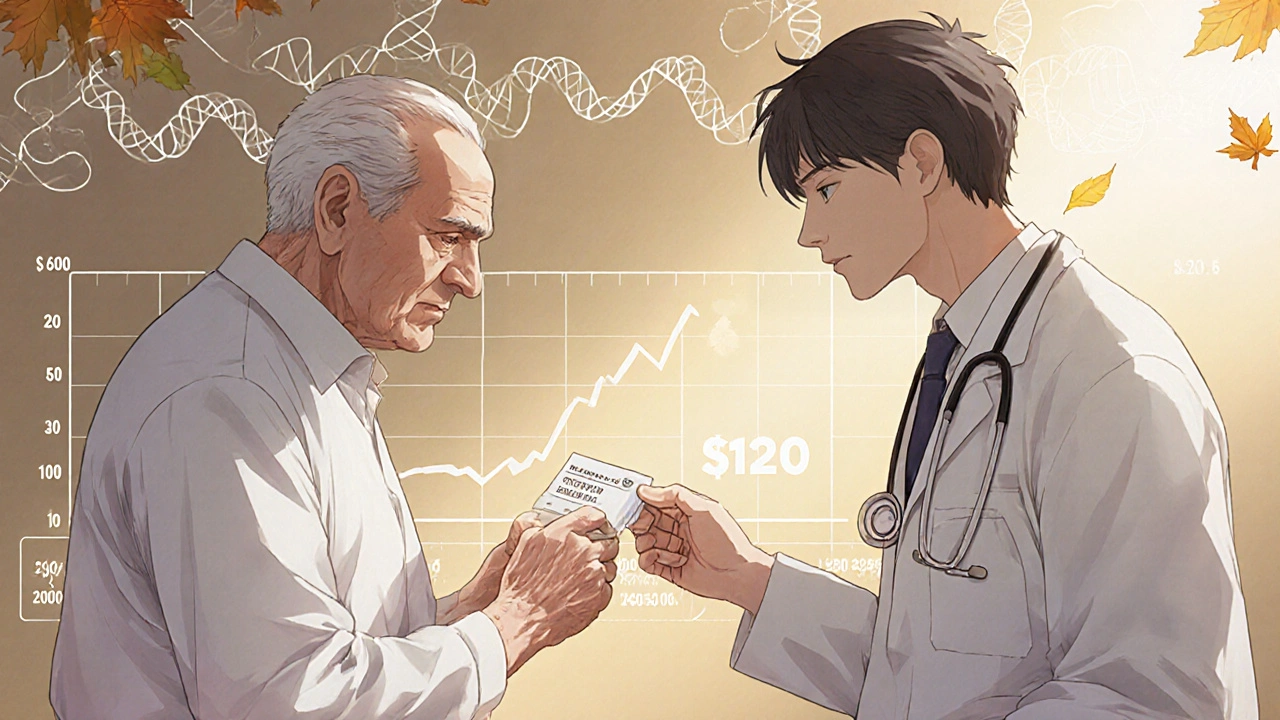
Warfarin costs $4 to $10 a month. DOACs? $450 to $600 without insurance. That’s why some patients stick with warfarin-even if it means weekly finger pricks and dietary stress.
But most people with Medicare or private insurance pay $30-$100 a month for DOACs. That’s still more than warfarin, but many find it worth it. A 2022 CVS Health study showed 28% of warfarin users quit their meds within a year. Only 18% of DOAC users did. Why? The burden of monitoring is exhausting. One patient on PatientsLikeMe wrote: “My INR was out of range 40% of the time-even with weekly tests.”
There’s also the risk of interactions. Warfarin clashes with over 1,000 medications and supplements. DOACs? Around 50-100. That’s a big drop. But DOACs still interact with common drugs like certain antibiotics, antifungals, and seizure meds. Always check with your pharmacist before starting anything new.
Reversing the Blood Thinner: What Happens in an Emergency?
If you bleed badly, can you reverse the drug fast? With warfarin, yes. Vitamin K or a clotting factor concentrate can fix it within hours.
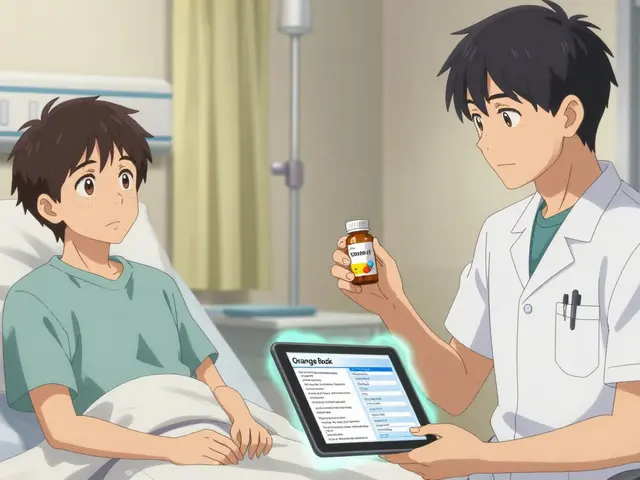
DOACs have reversal agents too-but only for some. Idarucizumab (Praxbind) reverses dabigatran. Andexanet alfa (Andexxa) reverses apixaban and rivaroxaban. Edoxaban? No approved agent yet.
That’s a gap. And not every hospital keeps these expensive reversal drugs on hand. If you’re on a DOAC, ask your doctor: “What’s the plan if I have a bad bleed?”
Who Should Take Which Drug?
There’s no one-size-fits-all. Here’s how experts are choosing now:
- Over 80 years old? Apixaban is preferred. It’s the safest in older adults.
- History of stomach bleeding? Avoid rivaroxaban. It’s linked to higher GI bleeding risk.
- Low body weight (<60 kg)? Apixaban or dabigatran are better choices.
- Chronic kidney disease? Check your CrCl. Apixaban and edoxaban can be adjusted. Rivaroxaban can’t.
- On NSAIDs like ibuprofen? Avoid DOACs if possible. The FDA warned in 2024 that combining them with DOACs raises GI bleeding risk by over 200%.
There’s even a new scoring system to help doctors pick. If you’re over 75, have kidney issues, had a past bleed, take aspirin, or are female? That’s 5 points. Score 3 or higher? Apixaban is the go-to.
What About the Future?
Generic apixaban hits the market in 2026. Rivaroxaban will follow in 2027. That could slash prices by 80%. That might push even more people off warfarin.
Two new reversal agents are in trials-one that works on all anticoagulants, another that targets factor Xa inhibitors. If they work, safety will improve even more.
And research is underway to personalize DOAC doses using genetics. The ELATES trial is testing whether your DNA can tell your doctor exactly how much apixaban you need. That could make DOACs even safer.
Bottom Line: What You Should Do
If you’re on warfarin and doing fine-stable INR, no bleeding, no dietary headaches-stick with it. But if you’re struggling with frequent blood tests, dietary restrictions, or unpredictable results, talk to your doctor about switching.
If you’re starting a blood thinner for the first time, DOACs are almost always the right first choice-unless you have a mechanical valve, antiphospholipid syndrome, or severe kidney disease. Among DOACs, apixaban is the safest bet for most people.
Don’t assume all blood thinners are the same. The right one for you depends on your body, your life, and your risks. Ask your doctor: “Which one has the lowest bleeding risk for me?” and “What happens if I have a fall or need emergency surgery?”
Because when it comes to blood thinners, safety isn’t just about numbers on a lab report. It’s about living without fear of bleeding out from a cut, a bump, or even a sneeze.
Are DOACs safer than warfarin overall?
Yes, for most people. DOACs reduce the risk of major bleeding by about 30% compared to warfarin, especially dangerous brain bleeds. They also don’t require frequent blood tests or strict diet changes. But safety varies by drug-apixaban is the safest DOAC, while rivaroxaban carries a higher bleeding risk.
Can I switch from warfarin to a DOAC?
You can, if you don’t have a mechanical heart valve, antiphospholipid syndrome, or severe kidney failure. Your doctor will check your kidney function, current INR, and other medications before switching. The transition is usually done over a few days with overlapping doses to avoid clots or bleeding.
Why is apixaban considered the safest DOAC?
Apixaban has the lowest rate of major bleeding in clinical trials and real-world studies-1.9 events per 100 person-years. It’s also less affected by kidney function and body weight, making it more predictable in older adults and smaller patients. It’s now the recommended first choice for most people over 75.
Do I still need blood tests if I’m on a DOAC?
Routine blood tests like INR aren’t needed. But your doctor will still check your kidney function every 6-12 months, especially if you’re over 75 or have other health issues. Some patients may get occasional tests if they’re on multiple interacting drugs or have sudden bleeding.
What if I miss a dose of my DOAC?
If you miss a dose of apixaban or dabigatran (taken twice daily), take it as soon as you remember-if it’s within 6 hours. If it’s later, skip it and take the next dose at the regular time. For once-daily DOACs like rivaroxaban or edoxaban, take it as soon as you remember on the same day. If you don’t remember until the next day, skip the missed dose. Never double up.
Can I take NSAIDs like ibuprofen with a DOAC?
Avoid them if possible. The FDA issued a safety alert in 2024 saying combining NSAIDs with DOACs raises the risk of stomach bleeding by more than 200%. Use acetaminophen (Tylenol) instead for pain. If you must take an NSAID, talk to your doctor about short-term use and whether you need a stomach protector like omeprazole.




jamie sigler
December 1, 2025 AT 11:50So basically we’re trading weekly blood tests for a $600 monthly bill? Cool. I’ll just keep my INR at 2.3 and eat my kale like a champ. At least I know what’s in my body instead of some magic pill that vanishes into the void.
Bernie Terrien
December 1, 2025 AT 19:36Warfarin’s the OG blood thinner. DOACs? Corporate shiny objects wrapped in patent protection. Apixaban’s the quiet assassin-low bleed, low drama. Rivaroxaban? The overeager intern who spills coffee on the server. And don’t get me started on the reversal agents-half the hospitals don’t stock ‘em. You’re not safer. You’re just more expensive.
Subhash Singh
December 3, 2025 AT 19:07It is imperative to acknowledge the clinical nuances delineated in this comprehensive analysis. The differential pharmacokinetics of DOACs, particularly with regard to renal clearance and drug-drug interactions, necessitate individualized therapeutic decision-making. Furthermore, the economic burden of anticoagulation therapy remains a significant determinant of adherence, especially in low-resource settings where cost-sharing mechanisms are insufficiently structured.
It is also noteworthy that the meta-analytic data cited, while robust, predominantly originate from high-income nations, thereby potentially introducing selection bias in generalizability to populations with divergent comorbidity profiles and healthcare access.
Geoff Heredia
December 5, 2025 AT 01:13Wait… so DOACs don’t need blood tests? That’s a lie. The FDA and Big Pharma are hiding the truth. They’re using them to track you. Every pill you take is logged. Your INR, your diet, your heartbeat-they’re feeding it all into the algorithm. They don’t want you to know you can reverse warfarin with vitamin K. They want you hooked on $600/month magic bullets so they can sell you the reversal drug too. And don’t even get me started on the ‘no diet changes’ thing-your liver’s still processing it. You’re just being lied to.
Andrew Keh
December 6, 2025 AT 19:38This is a really balanced overview. I think the key takeaway is that there’s no perfect drug-just the best fit for your life. If you’re young, active, and have good insurance, DOACs make sense. If you’re older, on a fixed income, or have kidney issues, warfarin still has its place. The goal is staying alive, not chasing the newest pill.
Peter Lubem Ause
December 7, 2025 AT 06:32Let me tell you something real-this isn’t just about science, it’s about dignity. Warfarin made me feel like a lab rat: finger pricks, salads, panic when my INR was 5.3. DOACs gave me back my weekends, my dinners, my peace. I don’t care if it costs more-I care that I didn’t miss my granddaughter’s birthday because I was at the clinic again. And yes, I know about the reversal agents. I asked my doctor. We have a plan. That’s all I need. You don’t need to fear the cost if you’re not afraid of living.
linda wood
December 7, 2025 AT 23:16So apixaban’s the safest… but only if you’re not poor, not old, not in a rural town without a pharmacy that stocks reversal agents? 😏 Guess I’ll just keep my kale and my weekly finger pricks. At least I know what I’m getting. Not some corporate ‘convenience’ that disappears when I need it most.
LINDA PUSPITASARI
December 9, 2025 AT 02:29DOACs changed my life no cap 🙌 I used to dread my INR days like a horror movie… now I just pop my pill and go. My doc said apixaban’s the MVP for older folks like me. And yeah I know it’s pricey but my insurance covers most of it 💪 if you’re struggling ask about patient assistance programs!! They exist!! I got mine free for 6 months!!
gerardo beaudoin
December 10, 2025 AT 13:44My grandma’s on warfarin. She’s 84, lives in a small town, and the nearest lab is 40 minutes away. She hates it but she sticks with it because she can’t afford the DOAC. I get why people say DOACs are better-but for a lot of folks, ‘better’ doesn’t mean anything if it’s out of reach. We need better access, not just better drugs.
Joy Aniekwe
December 11, 2025 AT 23:14Oh so now we’re supposed to trust a pill that can’t be reversed unless your hospital has a $20,000 magic wand on standby? Classic. And the fact that edoxaban has no reversal agent at all? That’s not innovation. That’s negligence dressed in a lab coat. I’ll stick with my kale and my INR, thanks.