Author: Keiran Latchford

Understanding Lipoprotein(a): Genetic Heart Risk and Modern Treatment Options
Discover why Lipoprotein(a) is a hidden genetic risk for heart disease, how it differs from standard cholesterol, and the latest breakthroughs in ASO treatment options.

Understanding Institutional Formularies: Hospital and Clinic Substitution Policies Explained
Explore how hospital formularies regulate drug substitution. Understand Florida Statute 400.143, committee roles, and the difference between insurance and institutional lists.

REMS Programs: Risk Evaluation and Mitigation Strategies Explained for Patients and Providers
A comprehensive guide to REMS programs, explaining what Risk Evaluation and Mitigation Strategies are, how they work, and their impact on patient safety and medication access.

Antidepressant Discontinuation Syndrome: What It Is and How to Manage It Safely
Antidepressant discontinuation syndrome can cause dizziness, brain zaps, nausea, and insomnia when stopping medication. Learn how to safely taper off, recognize symptoms, and avoid misdiagnosis.
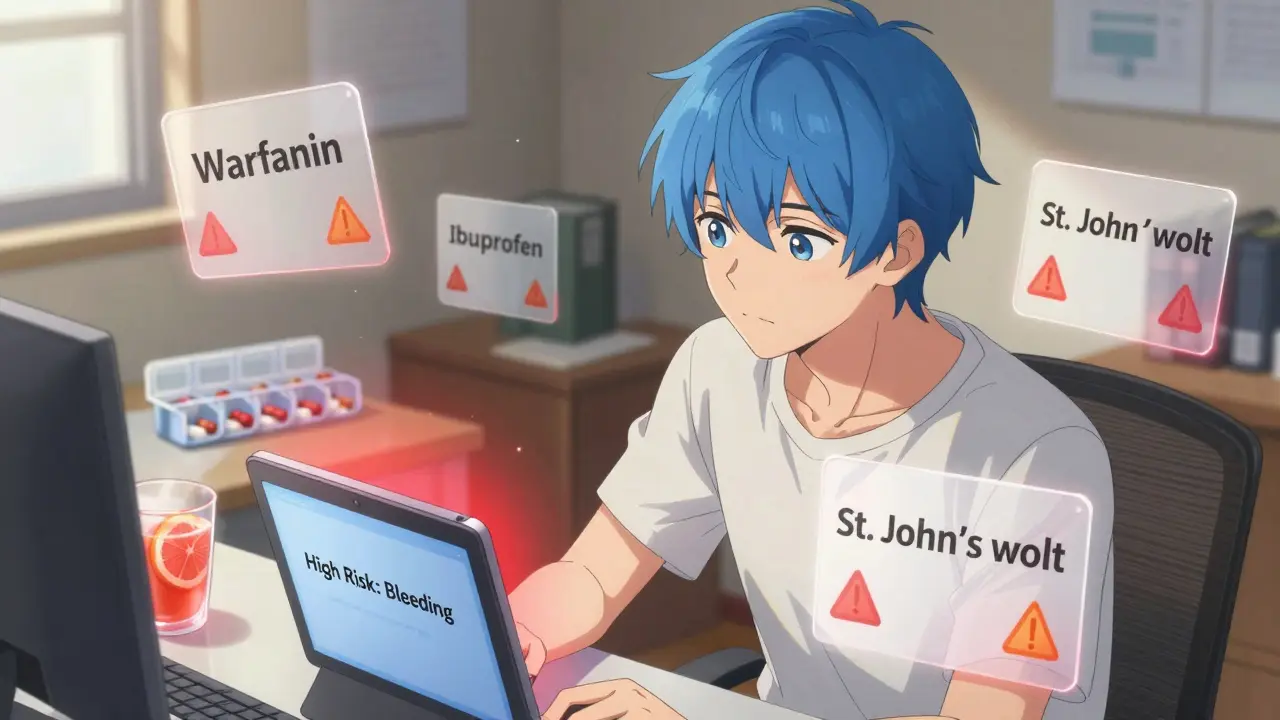
How to Use Drug Interaction Checkers: Step-by-Step Guide
Learn how to use drug interaction checkers to avoid dangerous medication combos. Step-by-step guide for patients and caregivers to stay safe with prescriptions, OTC drugs, and supplements.

How Medicare Drug Price Negotiations Work and What It Means for Your Prescription Costs
Starting in 2026, Medicare will negotiate prices for 10 high-cost drugs, cutting costs by up to 79%. Learn how this first-of-its-kind program works, who it affects, and what it means for your prescription bills.

Generic Copays vs Brand Copays: Average 2024 Costs in U.S. Prescription Plans
In 2024, generic drug copays in the U.S. average $0-$10, while brand-name copays range from $47 to $100+ - creating huge cost differences for prescription users. Learn how tiers, Medicare plans, and new 2025 caps affect what you pay.
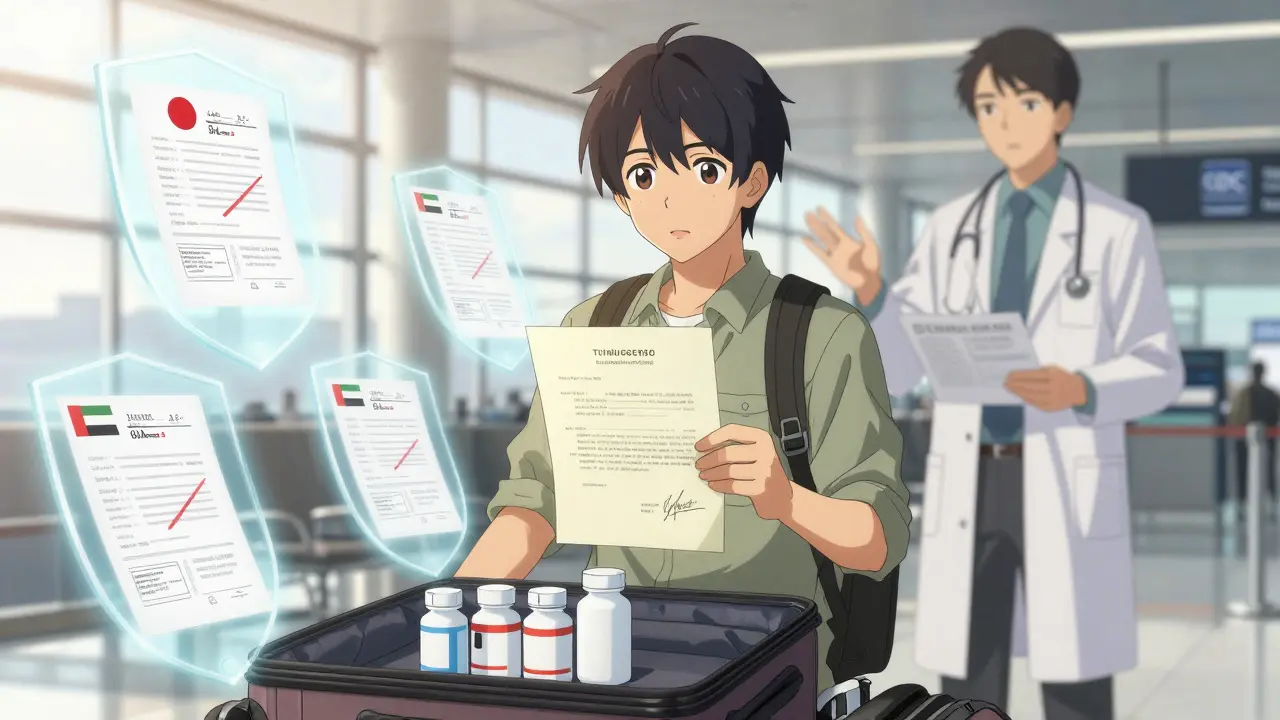
Doctor's Letter for Controlled Substances During International Travel: What You Need to Know
Traveling internationally with controlled substances like opioids, ADHD meds, or benzodiazepines requires a doctor’s letter. Without it, you risk detention, confiscation, or arrest. Learn what the letter must include, country-specific rules, and how to prepare ahead of time.

Bempedoic Acid Side Effects: Gout, Tendon Risks, and What You Need to Know
Bempedoic acid helps lower cholesterol in statin-intolerant patients, but it carries risks like gout, tendon injuries, and liver enzyme changes. Learn what to watch for and how to manage these side effects safely.

Pulmonary Embolism: Sudden Shortness of Breath and How It's Diagnosed
Sudden shortness of breath could signal a pulmonary embolism-a life-threatening blood clot in the lungs. Learn the key symptoms, how it’s diagnosed with D-dimer and CT scans, who’s at risk, and why quick action saves lives.
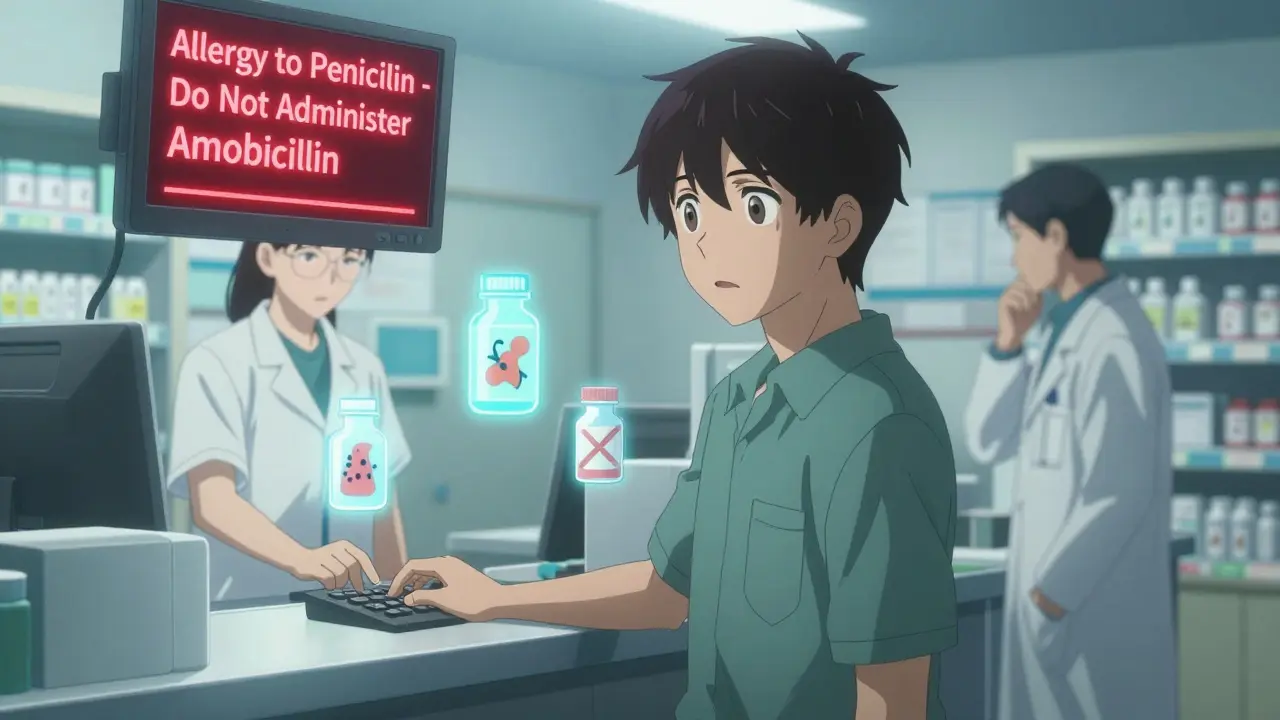
How to Read Pharmacy Allergy Alerts and What They Really Mean
Learn how to interpret pharmacy allergy alerts correctly - why most are wrong, how to tell real dangers from false alarms, and what you can do to make your records accurate and your care safer.

Thalidomide and Teratogenic Medications: History and Lessons
Thalidomide caused thousands of birth defects in the 1950s and 60s, leading to global drug safety reforms. Today, it's used under strict controls for cancer and leprosy - a stark reminder of why pregnancy safety in medicine matters.