Antidepressant Tapering Calculator
Tapering Information
Use this calculator to determine a safe, step-by-step tapering schedule based on your antidepressant type and dose. Always consult your healthcare provider before stopping or changing your medication.
Tapering Schedule Results
Enter your information above to see your personalized tapering schedule.
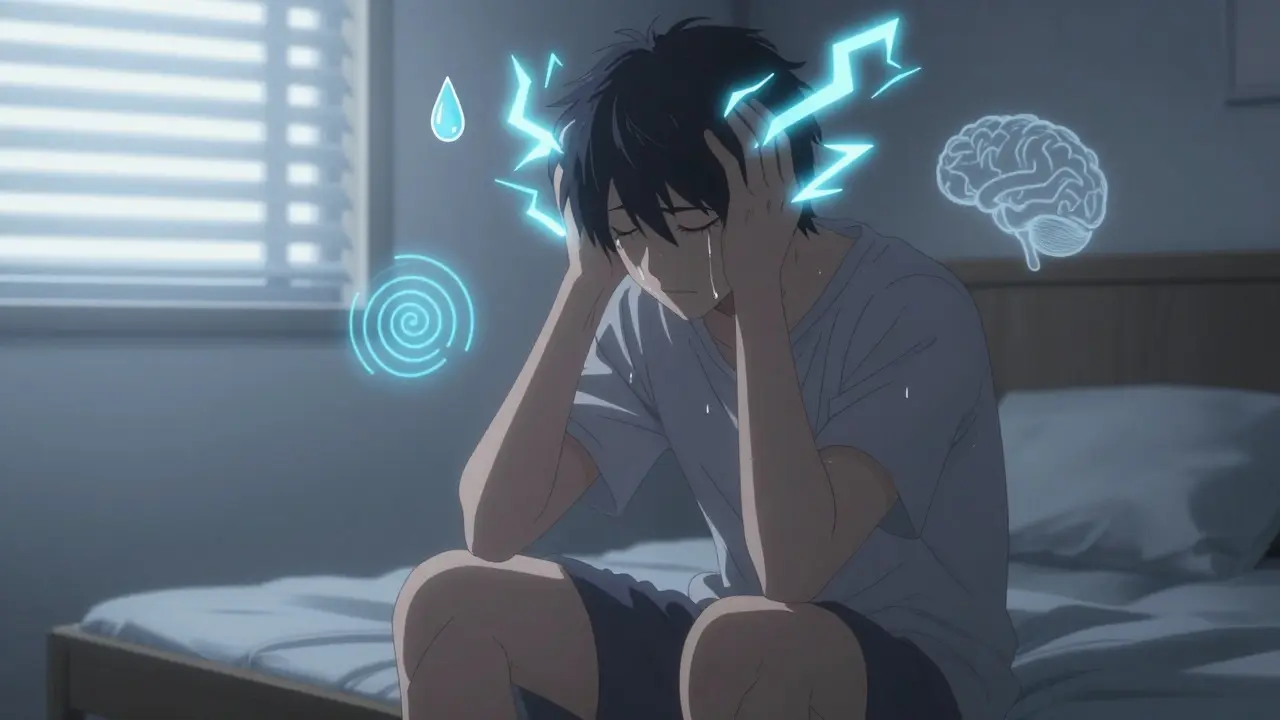
Stopping antidepressants isn’t as simple as just skipping a pill. Many people assume that because these medications aren’t addictive, stopping them should be easy. But that’s not true. When you stop taking an antidepressant-especially suddenly-you might suddenly feel off in ways you didn’t expect. Headaches. Dizziness. Nausea. Even strange electric shock sensations in your head. These aren’t signs of relapse. They’re signs of antidepressant discontinuation syndrome.
What Exactly Is Antidepressant Discontinuation Syndrome?
This isn’t addiction. You won’t crave the drug or lose control over your use. But your body has adapted to its presence. Over weeks or months, your brain rewired itself to function with the extra serotonin or norepinephrine the medication provided. When you remove that support, your nervous system stumbles. It’s like turning off a light switch that’s been on for years-the wiring doesn’t instantly reset. The medical community once called this "withdrawal," but drug companies pushed back. They wanted to distance antidepressants from substances like benzodiazepines or opioids. So they coined the term "discontinuation syndrome." But experts like Dr. David Healy argue that’s misleading. This is a withdrawal syndrome-just not one driven by psychological dependence. Symptoms usually start within 2 to 4 days after stopping, and sometimes within hours if you were on a short-acting drug like paroxetine or venlafaxine. They can last anywhere from a few days to weeks. In rare cases, they stretch for months-even over a year.The Six Key Symptoms (Remember FINISH)
Doctors use the mnemonic FINISH to remember the most common signs:- Flu-like symptoms: Fatigue, chills, muscle aches, headaches, diarrhea. In fact, 78% of people report feeling exhausted.
- In insomnia: Trouble falling asleep, waking up too early, or having vivid, disturbing dreams. Around 65% experience this.
- Nausea: Feeling sick to your stomach, sometimes vomiting. This hits nearly 6 out of 10 people.
- Imbalance: Dizziness, vertigo, unsteadiness. You might feel like you’re on a boat even when standing still.
- Sensory disturbances: "Brain zaps"-sudden, brief jolts in the head, often triggered by eye movement. Paresthesia (tingling, numbness) is common too. About 63% report these.
- Hyperarousal: Anxiety, irritability, agitation, panic attacks. Some feel overwhelmed by noise or light.
- "Cotton wool" feeling in the head
- Difficulty concentrating
- Mood swings-sudden crying or anger
- Loss of coordination
- Derealization (feeling like the world isn’t real)
- Akathisia-a burning urge to move, even when you’re exhausted
- Suicidal thoughts (rare, but documented)
Not All Antidepressants Are the Same
The risk of withdrawal depends heavily on the drug’s half-life-how long it stays active in your body.- Short half-life (high risk): Paroxetine (21 hours), venlafaxine (5-11 hours). These leave your system fast. Withdrawal hits harder and sooner. Up to 47% of venlafaxine users report severe symptoms.
- Long half-life (low risk): Fluoxetine (4-6 days). It sticks around. Symptoms are milder or even absent. That’s why doctors sometimes switch patients to fluoxetine before stopping.
- SSRIs (e.g., sertraline, escitalopram): Mostly cause brain zaps, nausea, dizziness.
- SNRIs (e.g., venlafaxine, duloxetine): Similar to SSRIs but often more intense. Muscle pain and electric shocks are common.
- TCAs (e.g., amitriptyline): Can trigger movement problems-tremors, stiffness, balance issues. Some look like early Parkinson’s.
- MAOIs (e.g., phenelzine): The most dangerous. Can cause agitation, psychosis, seizures, or catatonia. Never stop these cold turkey.

It’s Not Relapse-But It’s Easy to Mistake
This is critical: If you feel depressed again after stopping, is it your original illness returning-or withdrawal? Relapse takes longer. Symptoms of depression usually don’t show up until at least a week after stopping, and they build slowly. Discontinuation symptoms hit fast-within hours or days-and they’re very different. They’re physical. They’re neurological. They’re sharp and sudden. A 2017 NIH study found that 38% of cases were misdiagnosed as relapse, anxiety, or even a new mental health disorder. One patient was told they had a stroke because of dizziness. Another was hospitalized for psychosis after brain zaps and agitation. Both were just going through withdrawal.How to Stop Safely: The Tapering Rule
The best way to avoid this? Don’t stop abruptly. Ever. Experts agree: Taper slowly. The standard recommendation is 6 to 8 weeks. For venlafaxine or paroxetine, go even slower-10 to 12 weeks. Here’s a practical guide:- Don’t skip doses. Even one missed pill can trigger symptoms in short-half-life drugs.
- Work with your doctor. Never change your dose on your own.
- Use liquid formulations or pill cutters if needed. Some pills can’t be split evenly.
- Reduce by 10-25% every 1-2 weeks. For example: If you’re on 20mg of sertraline, drop to 15mg for 2 weeks, then 10mg, then 5mg.
- Slow down if symptoms appear. If you feel dizzy or nauseated, hold at the current dose for another week or two.
- Switch to fluoxetine if possible. Its long half-life makes tapering smoother.
What If You Already Stopped and Feel Terrible?
If you’re already in withdrawal, don’t panic. The good news? Symptoms usually fade within 1-2 weeks if you restart the medication. Call your prescriber. Tell them exactly what you’re feeling. Bring up the FINISH symptoms. Mention how soon they started after stopping. They’ll likely recommend:- Restarting the original dose for 3-7 days to stabilize you
- Then restarting the taper, but slower this time

Why Do Some People Have It for Months?
Most medical sources say symptoms last 1-2 weeks. But patient communities tell a different story. The Surviving Antidepressants forum, with over 15,000 members, found that 73% of users had symptoms lasting longer than 2 weeks. 28% reported symptoms over six months. Some say they still feel brain zaps or dizziness a year later. A 2022 study in the Journal of Clinical Psychiatry confirmed this: 18.7% of people discontinuing SSRIs had symptoms longer than 3 months. Why? We don’t fully know. But it may have to do with how deeply your nervous system adapted, your genetics, or how fast you stopped. Stress, sleep loss, or switching between generic brands (which aren’t always bioequivalent) can also trigger or worsen symptoms.High-Risk Situations to Watch For
Some moments make discontinuation more dangerous:- Pregnancy: 41% of pregnant women stop antidepressants without medical advice. That’s risky. Talk to your OB-GYN and psychiatrist together.
- Switching brands: Switching from brand-name to generic-or between generics-can cause a drop in blood levels. This isn’t a taper. It’s an accidental withdrawal.
- Stressful life events: Losing a job, breaking up, or moving can make withdrawal symptoms worse. Don’t try to quit during a crisis.
- Long-term use: If you’ve been on an antidepressant for over a year, your brain has adapted more. Tapering needs to be slower.





Johny Prayogi
March 21, 2026 AT 18:02Everyone needs to know: if your doctor says "it's not withdrawal," they're either lying or asleep at the wheel.
Sandy Wells
March 21, 2026 AT 23:03Nicole James
March 23, 2026 AT 02:00Allison Priole
March 24, 2026 AT 00:12Casey Tenney
March 24, 2026 AT 09:35Bryan Woody
March 25, 2026 AT 21:16So yeah. Taper slow. Or don't. But if you're gonna be dumb, at least know what you're doing. And if your doctor acts like this is common knowledge? They're lying. It's not taught. It's not discussed. It's a silent epidemic. And now you know.
Timothy Olcott
March 26, 2026 AT 12:53Jackie Tucker
March 26, 2026 AT 23:38Thomas Jensen
March 28, 2026 AT 06:18matthew runcie
March 30, 2026 AT 04:39shannon kozee
March 30, 2026 AT 21:26Point is: you have to advocate for yourself. Don't wait for them to know. Teach them.