Archive: 2026/03

Antidepressant Discontinuation Syndrome: What It Is and How to Manage It Safely
Antidepressant discontinuation syndrome can cause dizziness, brain zaps, nausea, and insomnia when stopping medication. Learn how to safely taper off, recognize symptoms, and avoid misdiagnosis.
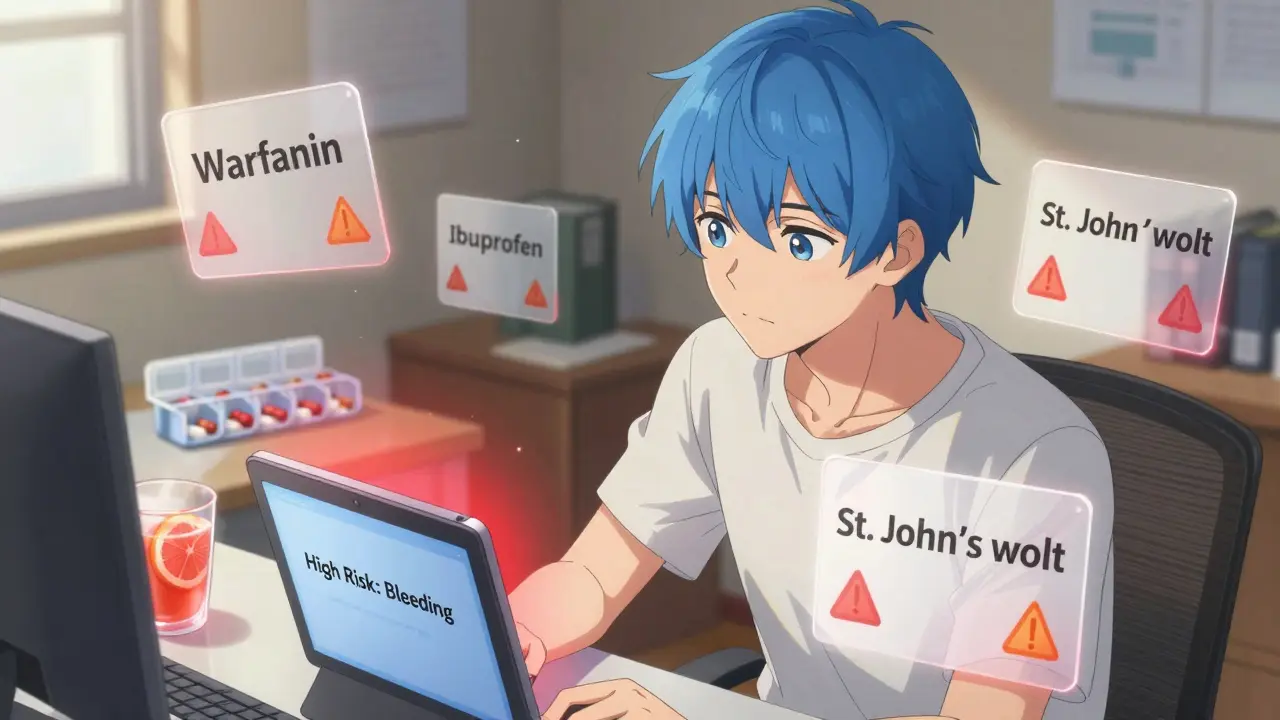
How to Use Drug Interaction Checkers: Step-by-Step Guide
Learn how to use drug interaction checkers to avoid dangerous medication combos. Step-by-step guide for patients and caregivers to stay safe with prescriptions, OTC drugs, and supplements.
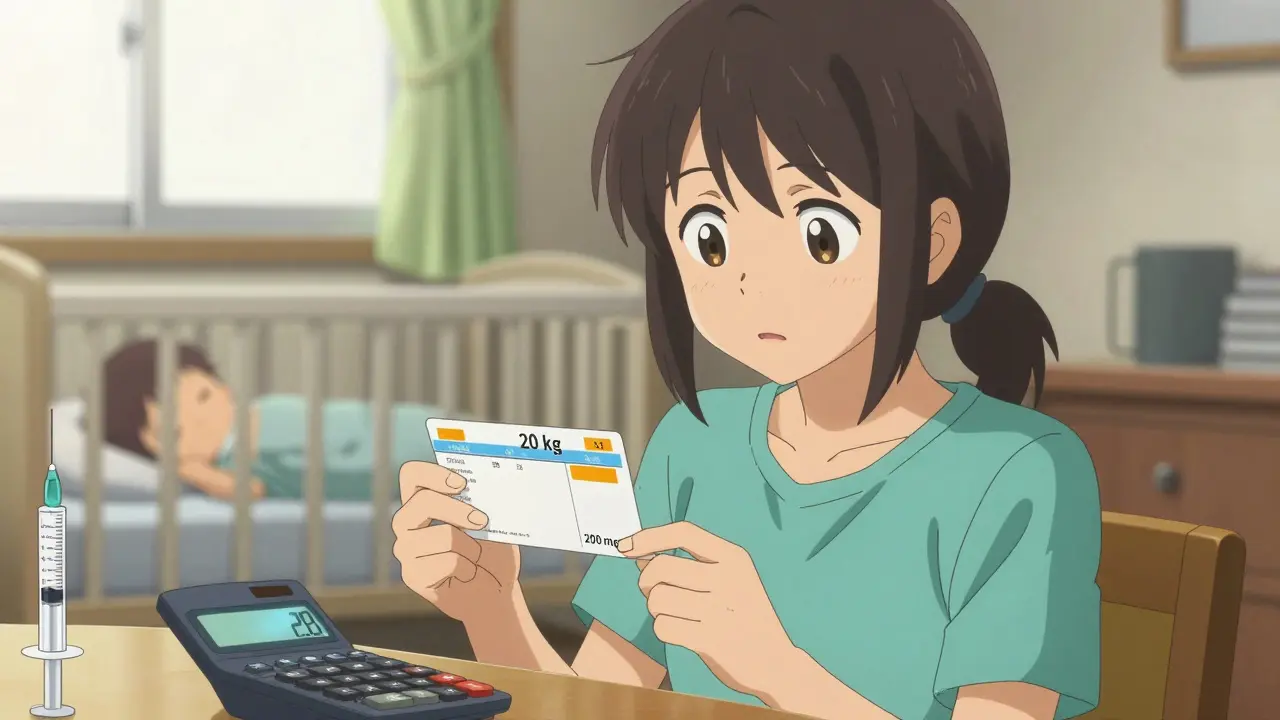
How to Confirm Pediatric Dosing on a Child’s Prescription Label
Confirm pediatric dosing on a child's prescription label by checking the weight in kg, dose in mg, and concentration. Avoid common errors like confusing mL with mg, using kitchen spoons, or trusting vague labels. Learn how to verify doses safely with expert-backed steps.
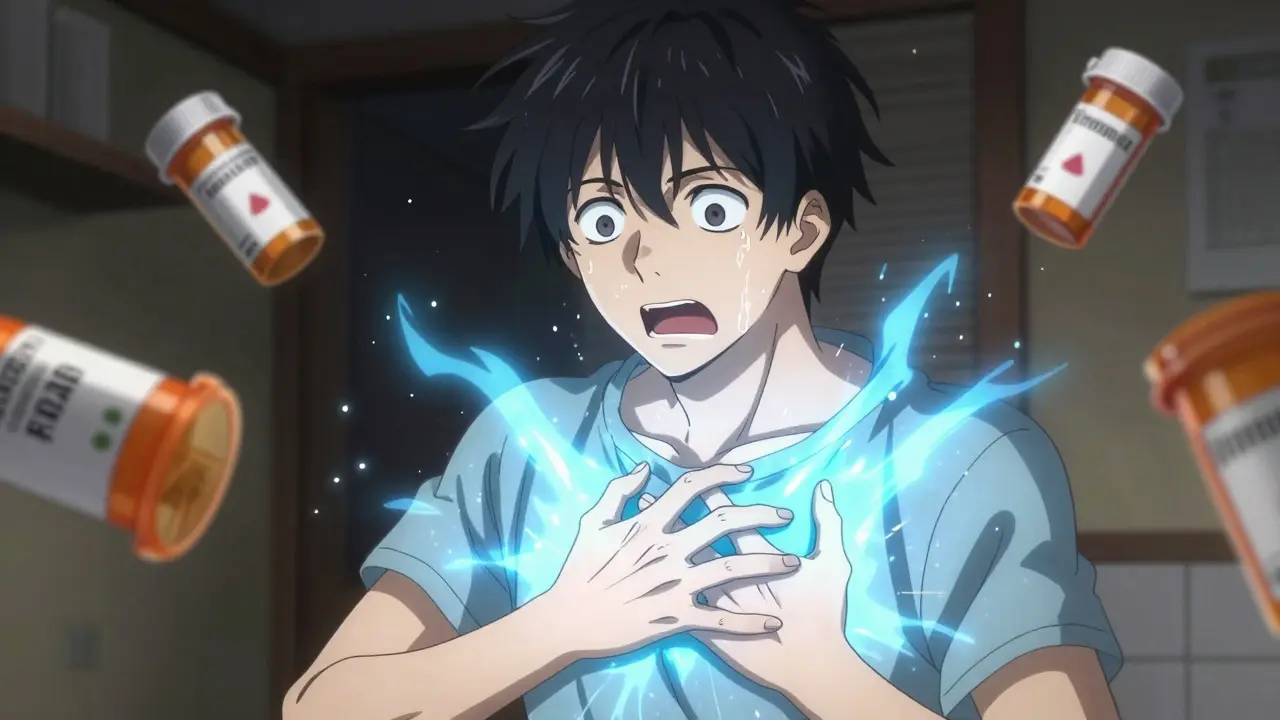
Serotonin Syndrome: Causes, Symptoms, and Emergency Response for Medications
Serotonin syndrome is a dangerous drug reaction caused by too much serotonin in the brain. Learn the warning signs, which medications trigger it, and what to do in an emergency to prevent life-threatening complications.

Managing Medication Allergies and Finding Safe Alternatives
Many people think they're allergic to penicillin, but most aren't. Learn how to tell the difference between a real drug allergy and a side effect, how to get tested, and what safe alternatives exist if you truly are allergic.

Meglitinides and Hypoglycemia: Why Irregular Meals Are Dangerous for These Diabetes Drugs
Meglitinides like repaglinide and nateglinide help control blood sugar after meals but carry a high risk of hypoglycemia if meals are skipped. Learn why timing matters and how to stay safe.