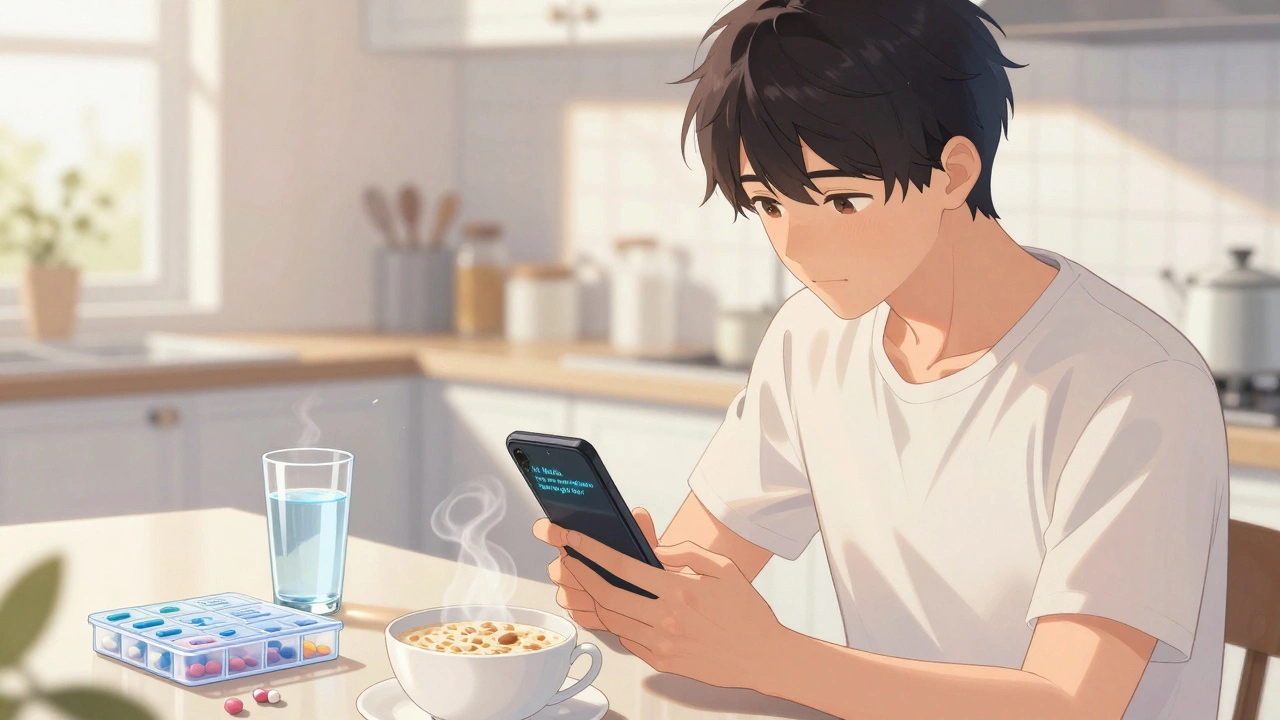
Missing a pill might seem like a small thing-until it isn’t. Half of all people with chronic conditions don’t take their meds as prescribed. That’s not laziness. It’s forgetfulness, busy lives, confusing schedules, or just plain overwhelm. And it’s costing the U.S. healthcare system over $300 billion a year in avoidable hospital visits and complications. Text message reminders aren’t magic, but when done right, they’re one of the simplest, cheapest, and most proven ways to help people stay on track.
Why Text Reminders Work (When They Work)
Text messages get opened. Like, 98% of them. That’s higher than email, phone calls, or even app notifications. For people managing multiple medications-say, blood pressure pills in the morning, diabetes meds at lunch, and cholesterol pills at night-having a quiet beep on their phone can be the difference between staying healthy and winding up in the ER. Studies show that when text reminders are personalized and timed right, adherence improves by 10 to 15 percentage points. One 2017 study tracked heart attack survivors for a year. Those who got daily texts saying, “Time for your lisinopril,” were 14% more likely to take their meds than those who didn’t. Another study found HIV patients on daily text reminders were nearly twice as likely to maintain perfect adherence compared to those relying on memory alone. But here’s the catch: Not all text reminders are created equal. A generic “Take your medicine!” message sent at 9 a.m. every day? That might help for a week. After that, people tune it out. The real wins come from messages that feel personal, timely, and relevant.How to Set Up Effective Medication Reminders
You don’t need an app or fancy tech. Just a phone, a schedule, and a few smart choices.- Know your meds and timing. Write down every medication, dose, and when it’s due. Is it before breakfast? After dinner? Every 12 hours? Don’t guess. Check the label or ask your pharmacist.
- Pick the right time. Set the reminder 15 to 30 minutes before the actual time you plan to take the pill. Why? Because life happens. The bus is late. The kid needs help. If your reminder goes off at 8 a.m. and you take it at 8:15, you’re still on track. If it goes off at 8 a.m. and you’re stuck in traffic, you might miss it entirely.
- Personalize the message. Instead of “Take pill,” try “Hi Maria, time for your metformin. You’ve got this!” Adding a name, a little encouragement, or even a specific detail like “Take with your morning oatmeal” makes it feel human. Studies show personalized messages are 3x more effective than generic ones.
- Don’t spam. One reminder per dose is enough. Two? Maybe. Three? You’ll get annoyed. Most people stop responding after 3 to 6 months if they’re getting too many. Keep it simple: one message, one time, one pill.
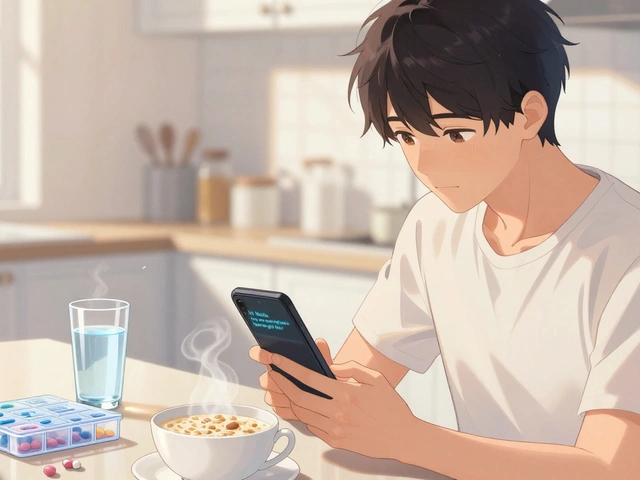
- Use a reliable system. You can set reminders on your phone’s built-in clock app, use free apps like Medisafe or MyTherapy, or ask your doctor’s office if they offer a text reminder service. Many clinics now integrate with electronic health records and automatically send reminders when refills are due.
What Doesn’t Work
A lot of people try text reminders, fail, and give up. Here’s why:- Timing is off. Sending a reminder at 7 a.m. for a 10 a.m. pill? You’ll forget by then. Sending it at 11 p.m. for a morning dose? You’ll snooze it. Match the time to your actual routine.
- It’s too vague. “Take meds” doesn’t help if you’re on 6 different pills. Say which one: “Take your warfarin.”
- It’s automated and robotic. If the message sounds like a robot wrote it (“Medication reminder: 07/15/2025 08:00 AM”), people ignore it. Add warmth. Use contractions. Say “you’re doing great” once in a while.
- It doesn’t adapt. If you miss a dose three days in a row, should you still get the same message? Probably not. The best systems adjust based on your behavior. If you’re consistently late, maybe the reminder moves to 6 a.m. instead of 8 a.m.
Who Benefits the Most
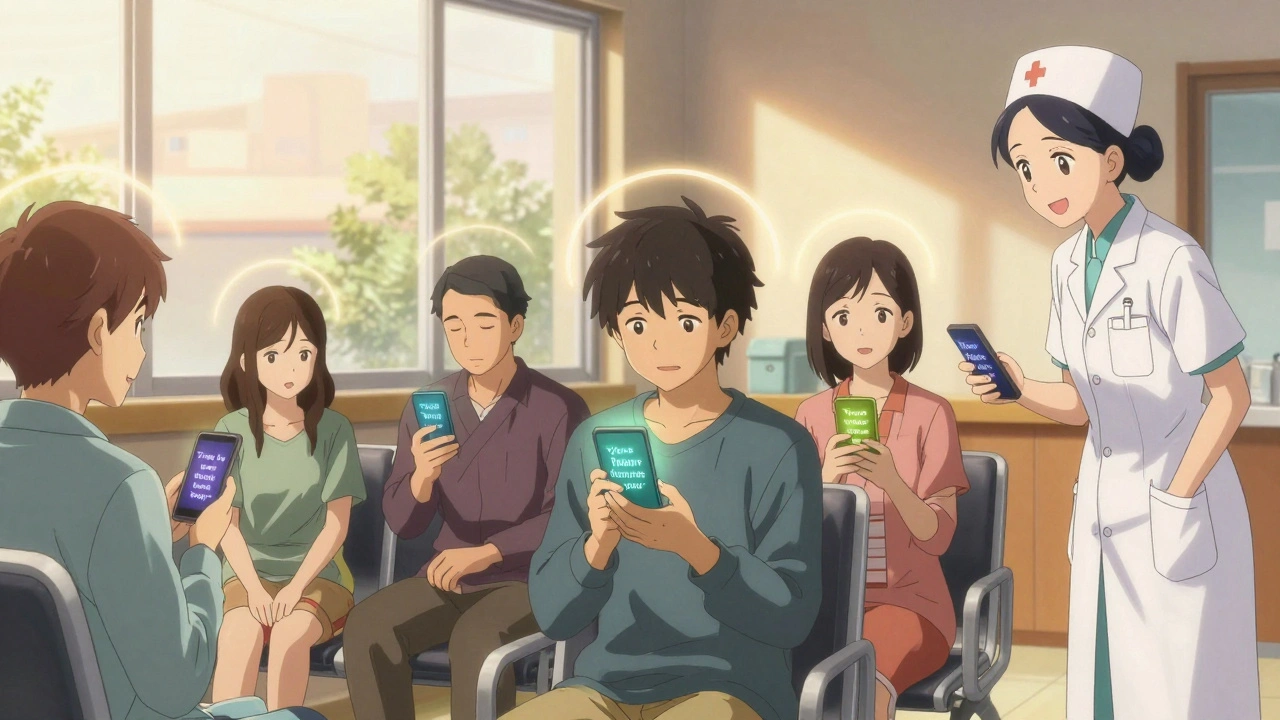
Text reminders aren’t a one-size-fits-all fix. They shine brightest in certain situations:- HIV treatment - Daily pills are non-negotiable. Missing even one can lead to drug resistance. Text reminders here have a proven track record.
- Diabetes - Taking insulin or metformin on time keeps blood sugar stable. Missed doses = dangerous spikes.
- High blood pressure - These meds don’t make you feel better, so people skip them. Text reminders help bridge the gap between “feeling fine” and “staying healthy.”
- Post-surgery or after a heart event - People are overwhelmed. A simple text reduces cognitive load.
For conditions like osteoporosis or cholesterol, where pills are taken less frequently (once a week or month), text reminders are less critical-and less effective. People in these cases often rely on pill organizers or calendar alerts instead.
What About Privacy and HIPAA?
You might worry: Is it safe to get text reminders about my meds? The answer is yes-if it’s done right. In the U.S., healthcare providers must follow HIPAA rules. That means:- They can’t send detailed medical info like “You’re on 20mg of atorvastatin” unless you’ve given permission.
- They can send general reminders: “Time for your daily medication.”
- They must use secure platforms-not regular SMS if they’re sending protected health info.
Most clinics use encrypted messaging services or patient portals that send SMS-style alerts without violating rules. If you’re unsure, ask your provider: “Is this system HIPAA-compliant?” If they don’t know, they’re probably not doing it right.
What to Do If You’re Not Getting Results
You’ve been getting texts for months. You still miss doses. What now?- Change the time. Try sending it earlier or later. Maybe you’re not home at 8 a.m. but you are at 7:30 a.m.
- Change the message. Try a different tone. “Hey, your heart thanks you for taking your pill today.”
- Use a visual cue. Pair the text with a sticky note on the fridge or a pill box with alarms.
- Ask for help. Tell your doctor or pharmacist you’re struggling. They might switch you to a once-daily pill, or connect you with a medication coach.
- Try an app. Apps like Medisafe or Hero send photos of your pills, track refills, and even notify family members if you miss a dose.
What’s Next for Text-Based Reminders
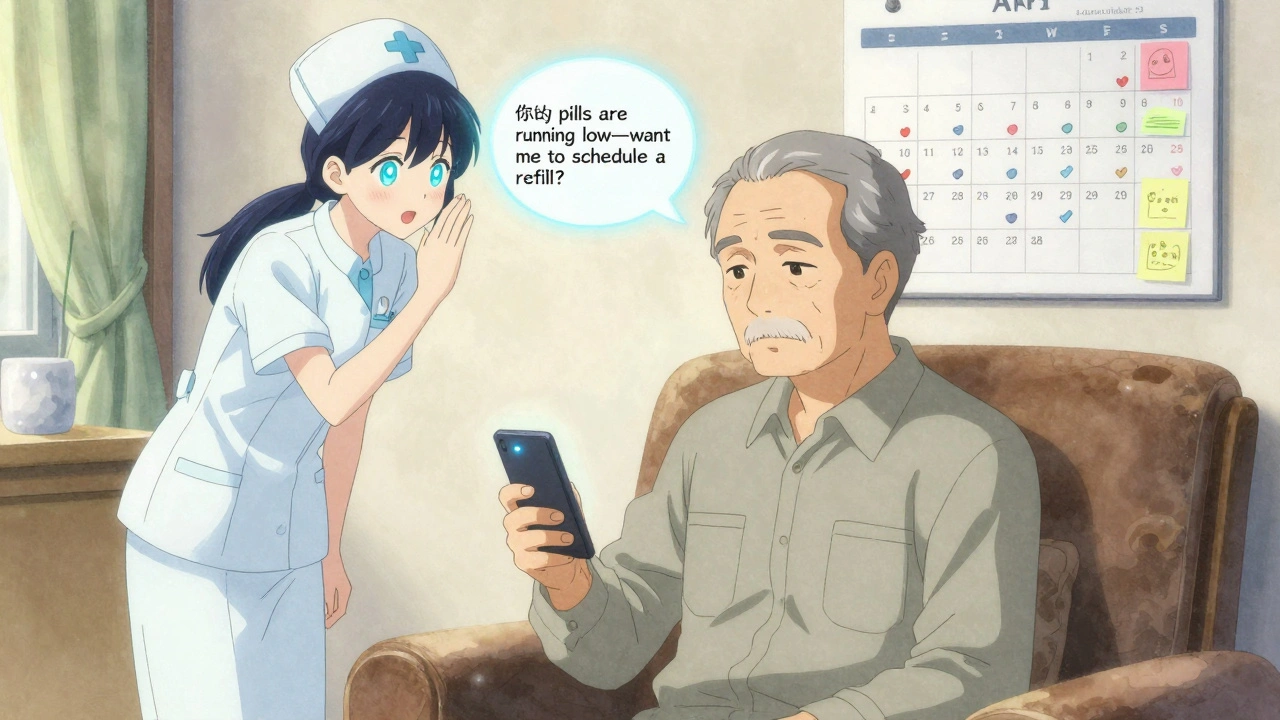
The next wave isn’t just “take your pill.” It’s smarter systems that learn from you. New tools are being tested that:- Notice when you haven’t refilled a prescription in 10 days and send a nudge: “Your blood pressure meds are running low. Want us to schedule a refill?”
- Adjust message frequency based on your behavior-if you’re consistent, they cut back to once a week.
- Combine texts with voice calls or even brief video check-ins from a nurse.
By 2027, most health systems will use AI to predict who’s at risk of missing doses-and reach out before it happens. But for now, the simplest version still works best: a clear, timely, personal text.
Start Small. Stay Consistent.
You don’t need to overhaul your life. Pick one medication you forget most often. Set one text reminder. Make it personal. Try it for two weeks. See if it helps. If it does, add another. If it doesn’t, tweak it. Keep going.Medication adherence isn’t about being perfect. It’s about being consistent. And sometimes, all it takes is a little beep on your phone to remind you that your health matters.
Can I use my phone’s built-in alarm for medication reminders?
Yes, absolutely. Your phone’s clock or calendar app works fine for basic reminders. Just make sure to label each alarm clearly-like “AM: Lisinopril” instead of just “Alarm 1.” You can also set recurring alarms for daily or weekly doses. The key is consistency and clarity, not the app you use.
What if I don’t have a smartphone?
You don’t need a smartphone. Any mobile phone that can receive SMS texts will work. Even basic flip phones can get reminders. Many clinics and pharmacies offer free text reminder services that work on any device with texting capability. If you’re unsure, ask your pharmacist-they can help you sign up.
Are text reminders free?
Most are. Many hospitals, clinics, and pharmacies offer free text reminder services as part of patient care. Some apps like Medisafe are free to use, though they may offer paid upgrades. Your carrier won’t charge extra for standard SMS messages. If someone asks you to pay for a reminder service, double-check-it’s likely unnecessary.
Can family members get copies of the reminders?
Yes, but only if you give permission. Some apps let you add a caregiver who gets alerts if you miss a dose. Your doctor’s office can also set up a system where a family member receives a copy-this is common for elderly patients or those with memory issues. Always confirm privacy settings before enabling this feature.
What if I’m on vacation or travel across time zones?
Most phone reminders adjust automatically when you change time zones. If you’re using a clinic’s system, call ahead and let them know you’re traveling. They can reschedule your reminders to match your new routine. If you’re using an app, update your location settings so the app knows your local time.
Do text reminders work for kids or teens?
They can, but they’re usually more effective when paired with parental involvement. For teens with asthma or ADHD, a text reminder sent to their phone helps-but adding a weekly check-in from a parent or caregiver improves results. For younger kids, parents should set the reminders and use visual cues like charts or stickers to reinforce the habit.
How long should I keep using text reminders?
Until you no longer need them. For some, that’s a few months. For others, it’s years. If you’ve been taking your meds reliably for 6+ months, try turning off the reminders for a week. If you still remember, you’re good. If you miss one, turn them back on. There’s no rule-you’re the best judge of what works for you.



Paul Dixon
December 11, 2025 AT 16:42Lisa Stringfellow
December 12, 2025 AT 17:53Katherine Liu-Bevan
December 13, 2025 AT 20:36Kristi Pope
December 14, 2025 AT 05:09Mia Kingsley
December 16, 2025 AT 04:59Eddie Bennett
December 16, 2025 AT 08:55Sylvia Frenzel
December 16, 2025 AT 17:53Taylor Dressler
December 18, 2025 AT 08:49Courtney Blake
December 20, 2025 AT 07:27Jean Claude de La Ronde
December 20, 2025 AT 09:16Monica Evan
December 21, 2025 AT 22:54Vivian Amadi
December 22, 2025 AT 02:49Aman deep
December 23, 2025 AT 08:37john damon
December 25, 2025 AT 02:02Jim Irish
December 26, 2025 AT 06:18