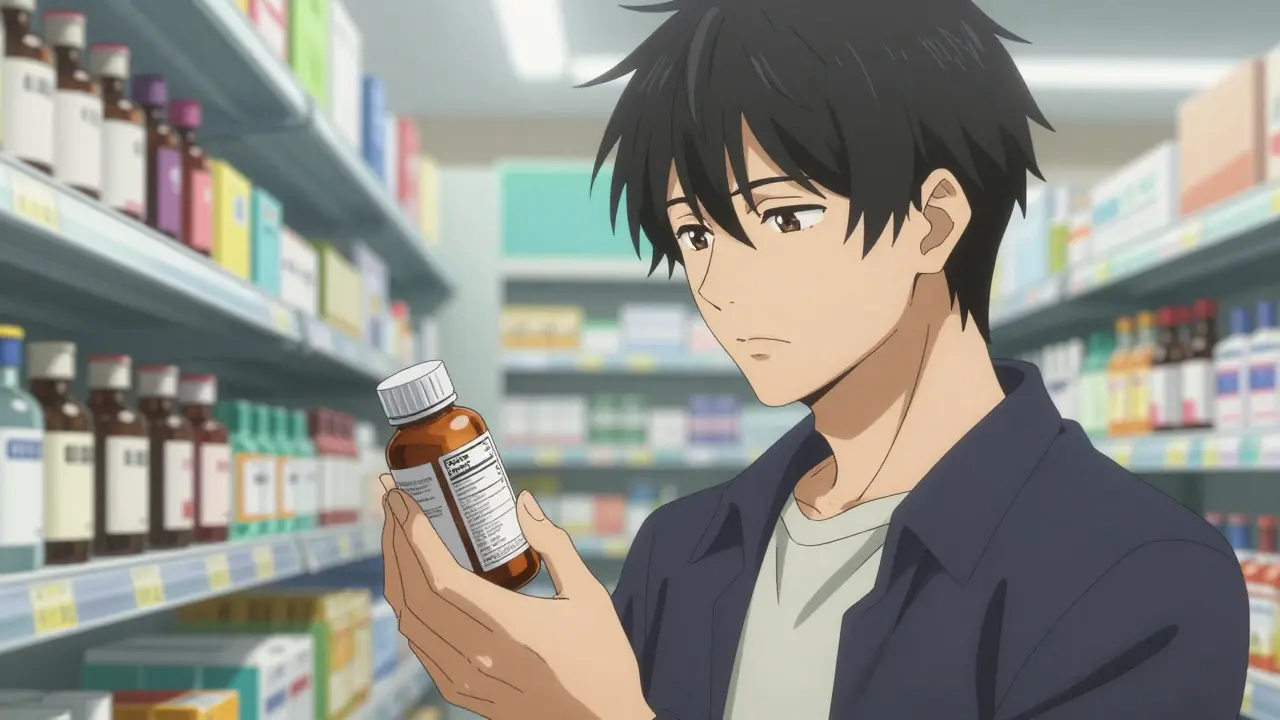
Read the Drug Facts Label Every Time
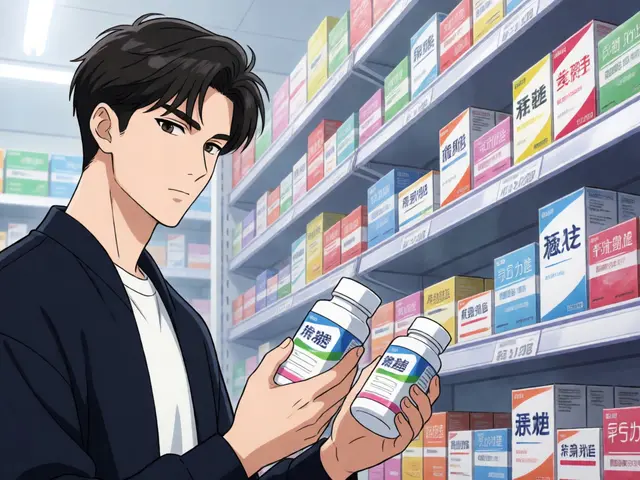
You wouldn’t buy a car without checking the owner’s manual. Yet, many people grab OTC meds off the shelf without reading the label - even if they’ve used the same product before. That’s risky. Formulas change. Warnings get updated. Active ingredients shift. The FDA requires every OTC medicine to have a Drug Facts label, and it’s not there for decoration. It’s your safety guide.
Look for these six sections: active ingredients, purpose, uses, warnings, directions, and other information. The active ingredients section is the most important. If you’re taking more than one OTC product, you might accidentally double up on the same drug. For example, Tylenol, Excedrin, and many cold medicines all contain acetaminophen. Taking two of them could mean you’ve hit a dangerous dose - over 4,000 mg a day can cause serious liver damage. That’s why you need to check every time.
Know What’s in Your Medicine
Don’t just pick a brand. Pick the right ingredient. Acetaminophen is great for headaches and fever. Ibuprofen (Advil, Motrin) works better for inflammation - like sore muscles or menstrual cramps. But if you have kidney issues, high blood pressure, or heart disease, ibuprofen might not be safe. Antihistamines like diphenhydramine (Benadryl) help with allergies and can make you sleepy - useful at night, dangerous if you’re driving or operating machinery.
Decongestants like pseudoephedrine (Sudafed) can raise your blood pressure. If you have heart disease or an enlarged prostate, skip them. Antacids with aluminum or magnesium can interfere with other meds you’re taking. And if you’re on blood thinners like warfarin, aspirin could be a problem. The key? Know what your body can handle. If you’re unsure, don’t guess. Ask the pharmacist.
Don’t Use Multi-Symptom Products Unless You Need Them
That big bottle promising relief for cough, congestion, fever, and sore throat? It’s tempting. But if you only have a cough, why take something that also contains a decongestant and pain reliever you don’t need? You’re exposing yourself to extra side effects and unnecessary drug interactions. The Ohio Department of Aging says it best: pick meds that treat only the symptoms you have.
For example, if you have a runny nose and sneezing from allergies, a plain antihistamine like loratadine (Claritin) is safer than a cold formula with 5 ingredients. You’ll avoid drowsiness, dry mouth, and potential heart risks from hidden stimulants. Multi-symptom products are convenient - but convenience shouldn’t beat safety.
Measure Doses Accurately - No Kitchen Spoons
Using a dinner spoon to give a child medicine? That’s a common mistake with dangerous results. The FDA tested kitchen spoons and found their volumes vary by up to 200%. One person’s “teaspoon” could be two tablespoons. That’s how overdoses happen - especially in kids.
Always use the measuring cup, dropper, or syringe that comes with the medicine. If it’s missing, ask the pharmacy for one. They’ll give it to you free. And never estimate a child’s dose based on their weight or age. The label says “for children 2-11 years: 5 mL.” That’s the dose. Not “half of what I take.” Not “a little less than my spoon.” Stick to the instructions.
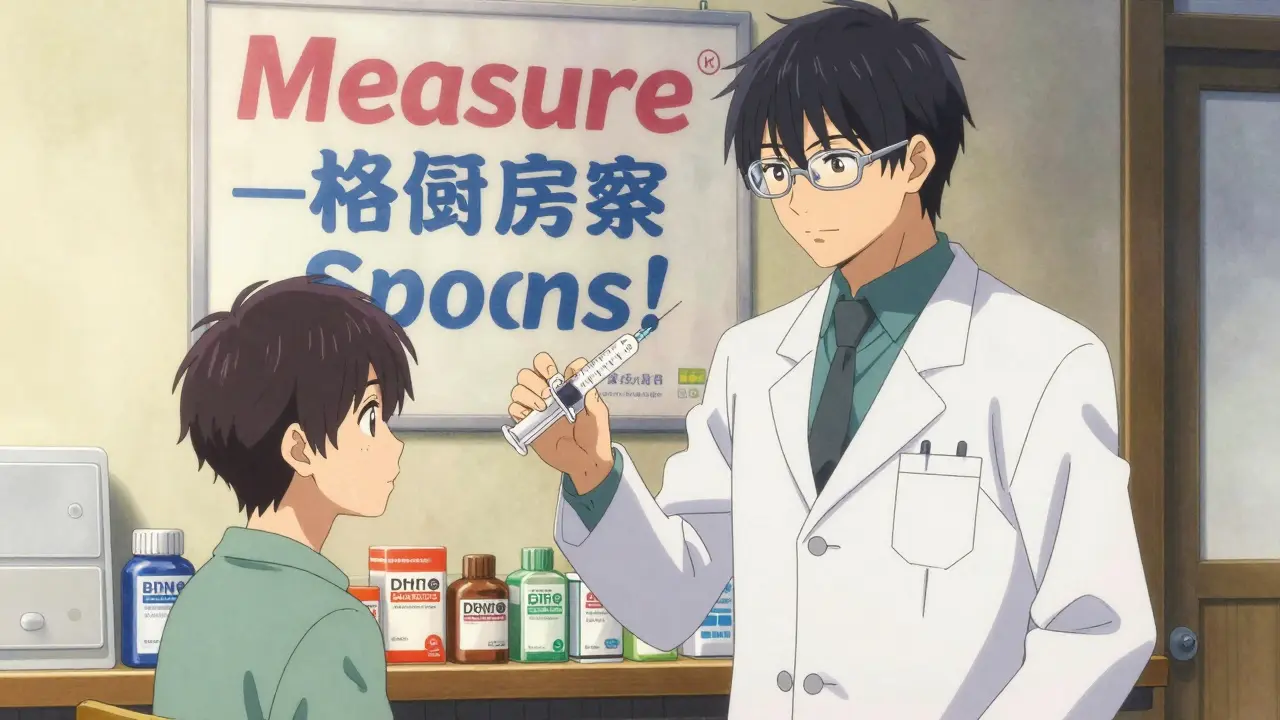
Talk to the Pharmacist - It’s Free
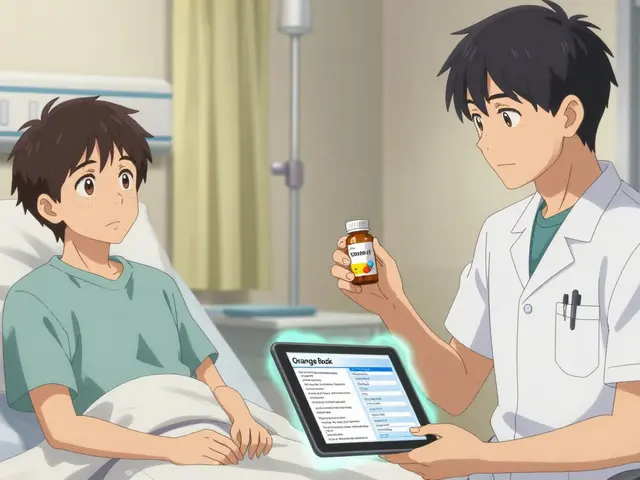
Pharmacists aren’t just the people who hand you your pills. They’re trained experts in drug interactions, side effects, and safe usage. And yes, asking them a question is free. You don’t need an appointment. Just walk up and say, “I’m thinking about buying this for my headache - is it okay with my blood pressure meds?”
Studies show pharmacist consultations reduce OTC medication errors by 67%. They know which ingredients to avoid with diabetes, which ones can mess with thyroid meds, and which ones are risky during pregnancy. They’ve seen the mistakes before. Let them help you avoid them. If the label doesn’t answer your question, the pharmacist will.
Keep a Medication List - Even for OTCs
Many people track their prescriptions. But what about the Advil they take every night? The melatonin they use for sleep? The antacid they grab after spicy food? If you’re seeing multiple doctors or taking several medications, you need a written list - including all OTCs.
Bring this list to every doctor’s visit. It helps them spot dangerous overlaps. For example, if you’re on a statin for cholesterol and take a lot of ibuprofen, your kidney function could be at risk. Or if you’re on an SSRI antidepressant and take dextromethorphan (in cough syrup), you could be heading toward serotonin syndrome - a rare but serious reaction.
Use a notebook, phone app, or even a sticky note. Just keep it updated. Your pharmacist can also help you maintain this list. Many pharmacies offer free medication reviews.
Watch for Red Flags - When to Skip OTC and See a Doctor
OTC meds are great for short-term, minor issues. But they’re not a substitute for medical care. If you’re using them for more than 7-10 days without improvement, it’s time to see a doctor. Same if symptoms get worse.
Red flags include:
- Fever over 102°F that won’t go down
- Chest pain, shortness of breath, or dizziness after taking a cold medicine
- Confusion, slurred speech, or extreme drowsiness
- Dark urine, yellow skin, or severe stomach pain (signs of liver damage from acetaminophen)
- Swelling in the face, throat, or tongue (possible allergic reaction)
If you’re pregnant, breastfeeding, over 65, or have chronic conditions like diabetes, liver disease, or kidney problems - don’t self-diagnose. Talk to your doctor before buying anything. The Merck Manual says older adults make up half of all adverse drug reactions, even though they’re only 13% of the population. Age changes how your body processes meds. What was safe at 40 might not be at 70.
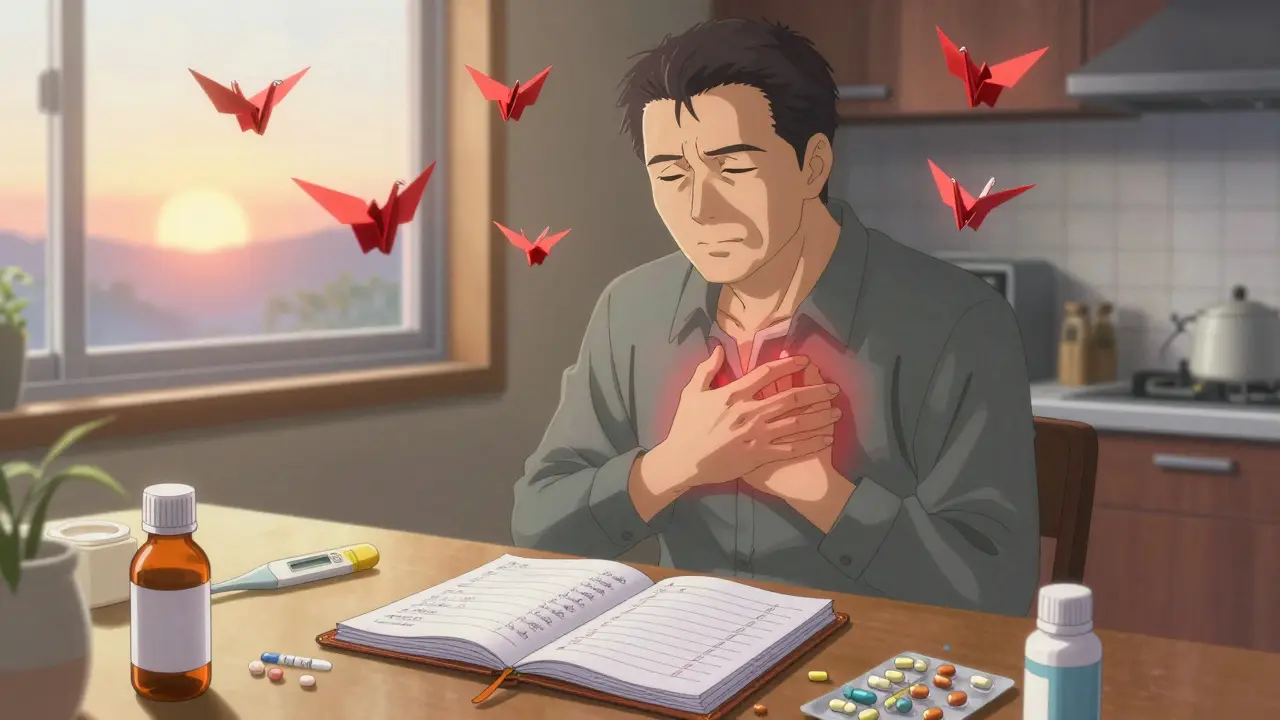
Use the Same Pharmacy Every Time
It sounds simple, but using one pharmacy for all your prescriptions - and OTCs - makes a huge difference. That pharmacy keeps a complete record of everything you’ve bought. If you walk in asking for a sleep aid, and you’ve been buying high-dose antihistamines weekly for months, the pharmacist will notice. They’ll flag it. They might say, “You’ve been using this for six weeks. Are you having trouble sleeping?”
That’s the kind of safety net you don’t get when you switch pharmacies or buy online from random sites. Chain pharmacies like CVS, Walgreens, or local independents all have systems to track your history. Use them.
Store Medicines Safely - And Check Expiration Dates
Don’t keep pills in the bathroom. Heat and moisture ruin them. A cool, dry cabinet away from the sink is better. Keep them out of reach of kids and pets - even if they’re OTC. A child can overdose on a single dose of Children’s Tylenol.
Check expiration dates. Expired meds don’t suddenly turn toxic, but they lose effectiveness. That cough syrup you’ve had since last winter? It might not work anymore. Throw it out. Many pharmacies have take-back bins for old or unused meds. Use them. Don’t flush them down the toilet.
Know the Limits of OTC
OTC medications are powerful tools - but they’re not magic. They treat symptoms, not causes. A headache might be stress. A cough might be asthma. A stomach ache might be an ulcer. If you’re relying on OTC meds to mask symptoms for weeks, you’re delaying real care.
The FDA’s goal isn’t to let you self-treat forever. It’s to let you handle minor issues quickly and safely - so you don’t overwhelm doctors with things they can’t fix anyway. But if something doesn’t get better, or if you feel worse, stop. Call your doctor. Don’t reach for another bottle.




Meenal Khurana
February 4, 2026 AT 00:10Amit Jain
February 5, 2026 AT 23:05Simple. Safe.
Kunal Kaushik
February 6, 2026 AT 15:07Just had my grandpa stop using that multi-symptom cold stuff. Now he only takes what he needs. His sleep improved too.
Mandy Vodak-Marotta
February 6, 2026 AT 15:19Now I keep a little notepad in my wallet with everything I take. Even the melatonin. My pharmacist thinks I'm weird. I think she's smart.
Alex LaVey
February 7, 2026 AT 08:29Pharmacists are unsung heroes. I once walked in asking about a cough syrup and ended up getting a 10-minute consultation on my blood pressure meds. Free. No appointment. Just human care.
Also, stop using kitchen spoons. I know it's tempting, but your kid's liver doesn't care how 'close' you think you are.
Shelby Price
February 8, 2026 AT 08:33Now I Google every ingredient. Turns out 'valerian root' isn't the villain-it's the sneaky antihistamine hiding in the fine print.
Coy Huffman
February 9, 2026 AT 21:23also why are we scared of multi-symptom? it's one pill. easy. why make it hard?
Keith Harris
February 10, 2026 AT 14:06Let me guess-next you'll tell us not to drink water after 8 PM because it might 'interact' with our kidneys. This post reads like a pharmaceutical ad written by a robot who hates fun.
My grandma took aspirin with whiskey and lived to 94. She didn't read a single label. She lived. You're overcomplicating life.
Harriot Rockey
February 10, 2026 AT 19:06Now I update mine every Sunday night. I even include the herbal teas I drink. My pharmacist says it’s the most complete list she’s ever seen. 🌿❤️
And yes, I use the measuring cup. No, I don’t care if it’s 'too much effort.' My kid’s safety isn’t a chore.
pradnya paramita
February 12, 2026 AT 15:25Acetaminophen-induced hepatotoxicity is dose-dependent and often underreported due to delayed presentation of transaminitis.
Moreover, the concomitant use of NSAIDs in patients with hypertension exacerbates sodium retention and blunts the efficacy of ACE inhibitors-per the 2023 Beers Criteria update.
Practitioners must advocate for single-agent symptomatic therapy to mitigate drug-drug interactions.
Nathan King
February 14, 2026 AT 12:04It is not merely advisable to consult a pharmacist-it is a civic duty. The absence of professional guidance in self-medication constitutes a public health vulnerability of alarming magnitude.
Joy Johnston
February 15, 2026 AT 06:38One time, a man bought 12 bottles of ibuprofen because he thought 'higher dose = faster relief.' He had a stomach bleed. We got him to the ER in time.
It’s not about being paranoid. It’s about being informed. And yes, we’re happy to help. No judgment. Just facts. That’s why we’re here.