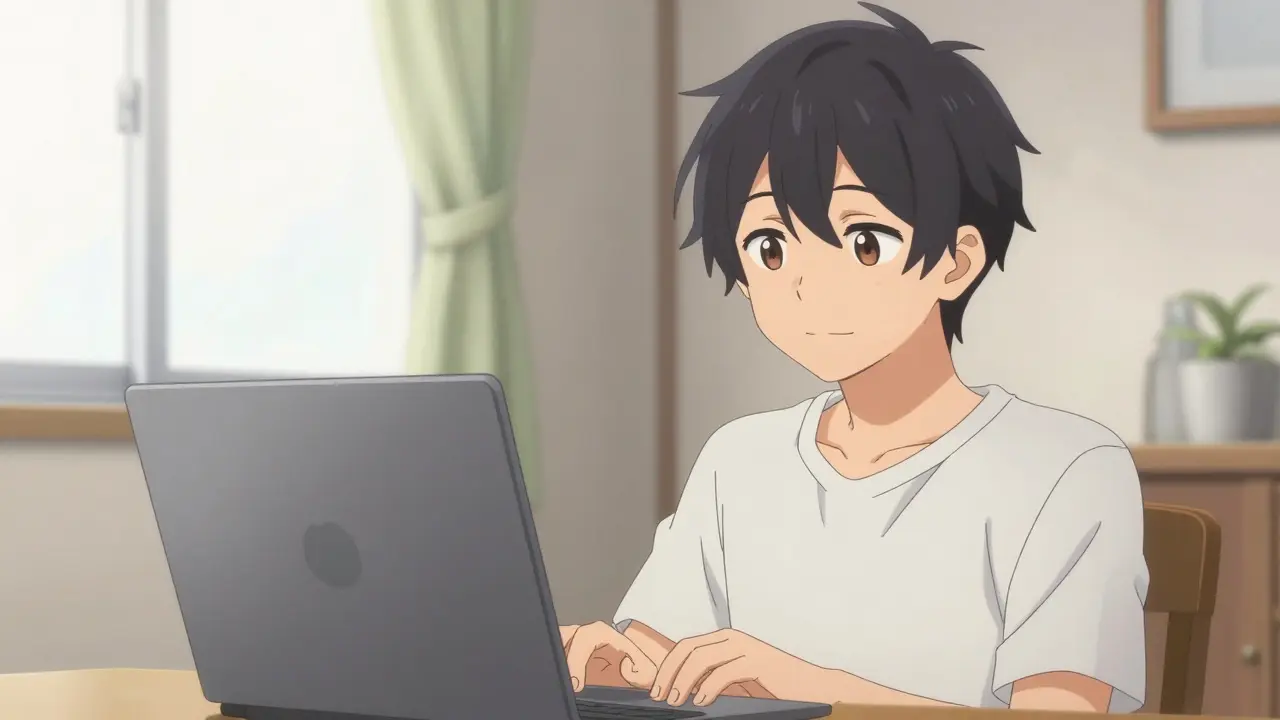
Direct-to-consumer pharmacies are reshaping how Americans get their medications
Over 27% of insured Americans have used a DTC pharmacy service at least once in 2025-up from just 5% two years ago. These services promise lower prices, convenience, and transparency. But what exactly are they, and how do they work?
What Are Direct-to-Consumer Generic Pharmacies?
These services let you buy generic medications directly from pharmacies or telehealth platforms, skipping traditional middlemen. Unlike brand-name drug companies like Eli Lilly, which run DTC programs for their own medications, most direct-to-consumer pharmacies for generics are operated by companies like Ro and Hims & Hers. They focus on common drugs like blood pressure medications, antidepressants, and birth control pills. These companies bypass pharmacy benefit managers (PBMs), wholesalers, and retail pharmacies to sell directly to patients. This model cuts out layers of markup, often resulting in lower prices.
How DTC Pharmacy Services Work
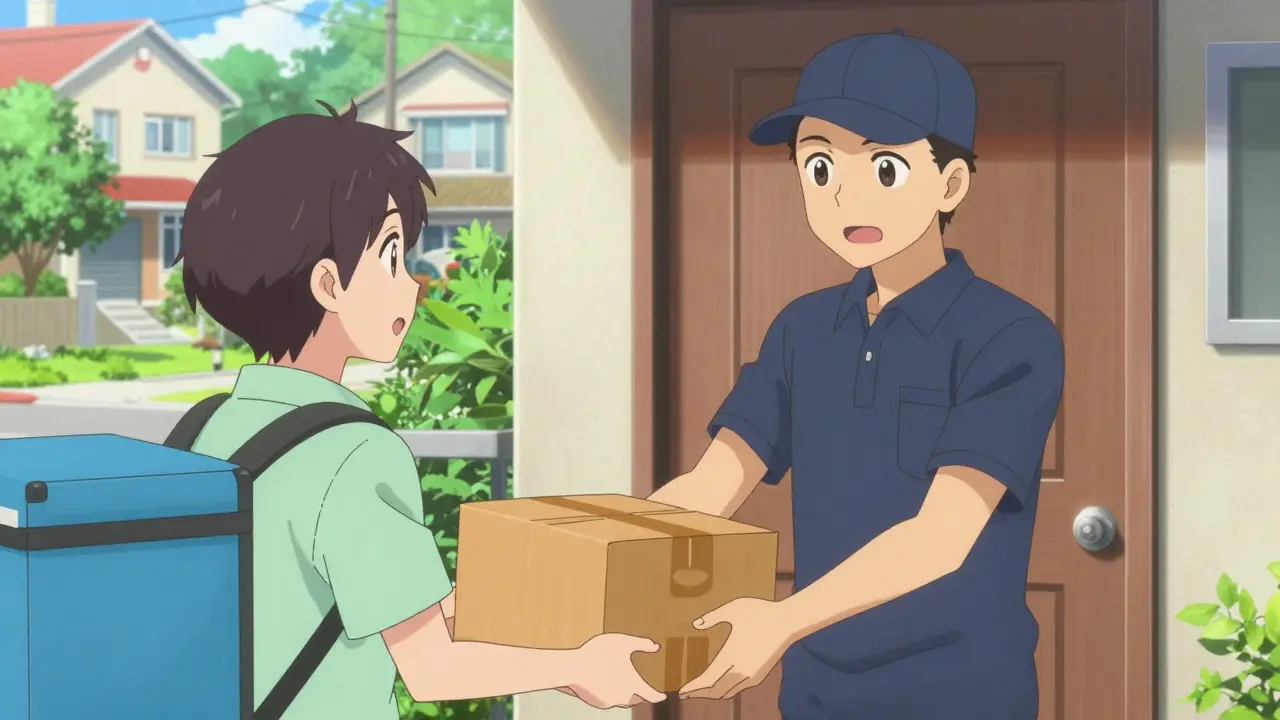
Using a DTC pharmacy is straightforward. First, you complete a telehealth consultation with a licensed doctor. For example, Roa telehealth company offering DTC generic medications with transparent pricing and home delivery processes about 2.1 million prescription orders each quarter. After the consultation, the doctor e-prescribes the medication. The order goes directly to a pharmacy that ships it to your home-usually within 2-3 days. Many platforms offer subscription options for regular refills. Modern DTC platforms use cloud-based systems to handle prescriptions securely. AI chatbots remind patients to take medications, while data analytics predict refill needs. This reduces missed doses by 22% for chronic conditions, according to EPAM's 2025 analysis. This process typically takes less than 15 minutes for first-time users, according to Drug Channels' 2025 study.
Traditional vs. DTC Pharmacy Models Compared
| Aspect | Traditional Pharmacy | DTC Pharmacy |
|---|---|---|
| Intermediaries | Manufacturer → Wholesaler → PBM → Retail Pharmacy → Patient | Manufacturer → Patient (or via telehealth platform) |
| Typical Savings | Varies; often high out-of-pocket costs | 30-50% lower for generics |
| Prescription Process | In-person doctor visit, pharmacy pickup | Telehealth consultation, home delivery |
| Pharmacist Involvement | On-site consultation | Remote pharmacist support |
Real-World Impact on Drug Prices
For generic medications, the savings are clear. A 30-day supply of lisinopril-a common blood pressure medication-costs $5 through Ro compared to $30-$50 at most local pharmacies. Honeybee Health reports similar discounts for antidepressants like sertraline. Drug Channels' March 2025 analysis found DTC generic platforms typically offer 30-50% discounts versus traditional pharmacies. This is why 73% of patients with chronic conditions report better medication adherence using these services. However, brand-name drug DTC programs (like LillyDirect) show smaller savings of 10-15% because they're still competing with existing rebate systems. A May 2025 survey by Drug Channels found 73% of patients using DTC services for chronic conditions reported improved medication adherence, while 29% expressed concerns about lack of pharmacist consultation.
Regulatory and Operational Challenges
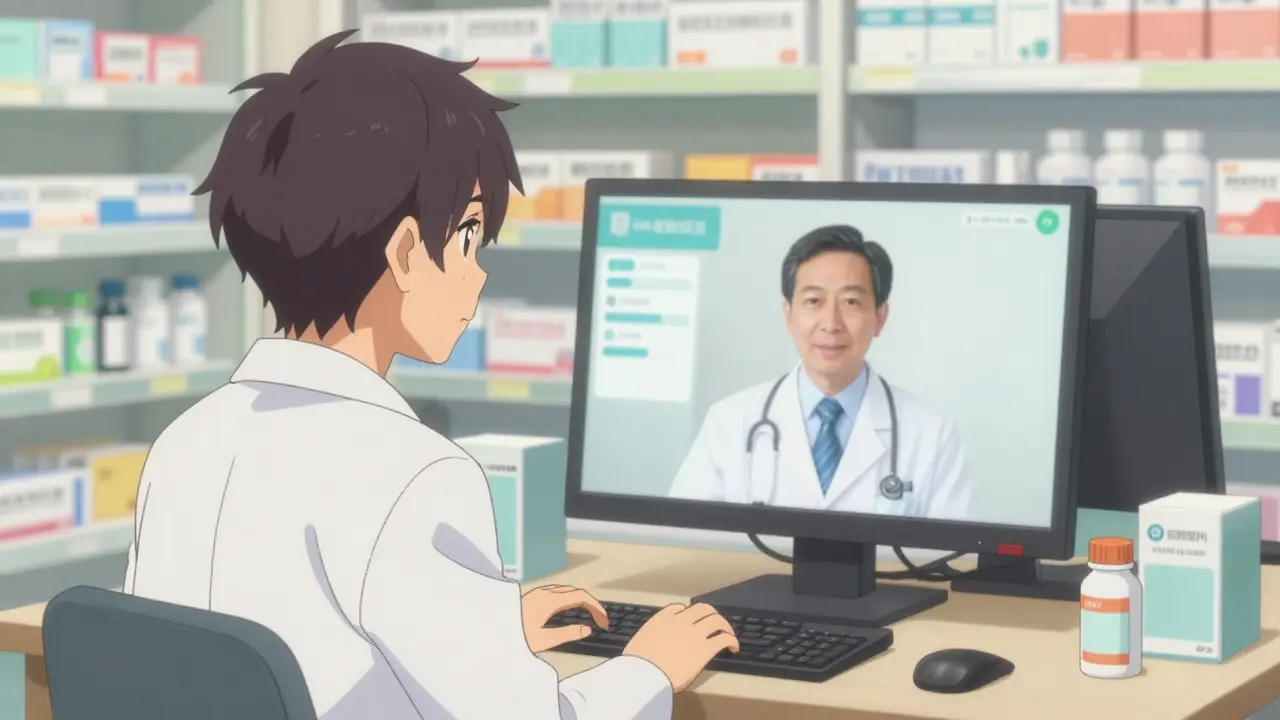
Despite the benefits, DTC pharmacies face major hurdles. Launching a compliant service requires pharmacy licenses in all 50 states plus Washington D.C. This process takes 14-18 months and costs around $2.3 million in legal fees. The National Association of Boards of Pharmacy reported that 47 states require specific DTC pharmacy licensing as of January 2025. HIPAA compliance is critical-any data breach could shut down the service. Companies like Ro and Honeybee Health have built 24/7 pharmacist support lines, staffing one pharmacist per 5,000 patients as recommended by the National Association of Boards of Pharmacy. Drug Topics documented 17 cases where potential drug interactions weren't caught due to limited pharmacist involvement. The Department of Justice is investigating potential anti-kickback violations in some DTC programs, though no major enforcement actions have occurred as of late 2025.
What's Next for DTC Pharmacy Models?
The industry is moving toward hybrid models rather than full replacement. Galen Growth's August 2025 survey found 83% of pharmaceutical executives plan to integrate DTC with traditional channels. For example, PfizerForAll partners with local pharmacies for certain medications while handling others directly. Techspert's June 2025 report noted that "ring-fenced factory lots protect DTC supply even when wholesaler channels face shortages," meaning manufacturers are prioritizing DTC channels for reliability. As PBMs face pressure to lower rebates, DTC platforms could become the standard for generic medications. However, experts like Dr. Sarah Chen of Johns Hopkins warn that "bypassing pharmacists risks patient safety for complex regimens." The future likely involves balancing convenience with clinical oversight.
Frequently Asked Questions
Are DTC generic pharmacies safe?
Yes, when using reputable platforms. Companies like Ro, Hims & Hers, and Honeybee Health operate under state pharmacy licenses and follow FDA regulations. However, they may not handle controlled substances or complex medication regimens. Always check if the platform is licensed in your state. Drug Topics reported 17 cases of potential drug interactions missed due to limited pharmacist review, so it's important to disclose all medications you're taking during telehealth consultations.
How much can I save with DTC generic pharmacies?
Typically 30-50% less than traditional pharmacies for generics. For example, a 30-day supply of lisinopril costs $5 through Ro versus $30-$50 at local pharmacies. Antidepressants like sertraline often cost $10-$15 through DTC services versus $40-$60 elsewhere. Brand-name drug DTC programs (like LillyDirect) offer smaller savings of 10-15% due to existing rebate systems. Always compare prices before switching.
Do DTC pharmacies accept insurance?
Most DTC generic pharmacies operate on a cash-pay basis and don't bill insurance directly. However, some platforms like Honeybee Health let you submit claims for reimbursement. This is why 38% of patients with high-deductible health plans prefer DTC services-they avoid high copays. If you have insurance, check if your plan covers telehealth or mail-order prescriptions separately. Some PBMs still contract with traditional pharmacies, so DTC may not integrate with your insurance yet.
What medications are available through DTC pharmacies?
Most DTC generic pharmacies focus on common chronic condition medications like blood pressure drugs, antidepressants, birth control, and diabetes medications. Ro offers over 100 generic medications, while Honeybee Health specializes in women's health and mental health drugs. However, controlled substances (like opioids) and complex biologics are typically not available. Always check the platform's medication list before signing up. Some services also provide over-the-counter products like vitamins or pain relievers.
How fast is delivery from DTC pharmacies?
Delivery usually takes 2-3 business days after the prescription is approved. Ro ships orders within 24 hours of approval, with most arriving in 2 days. Honeybee Health promises delivery within 3 business days. This is slower than a local pharmacy (1 day for pickup) but faster than traditional mail-order services. For urgent needs, DTC isn't ideal-always keep a small supply of essential medications at home. Some platforms offer expedited shipping for an extra fee.
Can DTC pharmacies handle controlled substances?
No. Current DTC generic pharmacies do not handle controlled substances like opioids, stimulants, or sedatives due to strict federal regulations. These medications require in-person doctor visits and pharmacy pickup. Some states have additional restrictions on telehealth prescriptions for controlled substances. Always verify a platform's medication list before ordering.
What happens if my prescription is denied?
If your telehealth consultation results in a denied prescription, most platforms offer free follow-up consultations to discuss alternatives. For example, Ro provides a dedicated support team that can connect you with another doctor for a second opinion. Some services also help you appeal insurance denials or find patient assistance programs. Always check the platform's policy before signing up-reputable companies have clear pathways for resolution.

Rene Krikhaar
February 5, 2026 AT 02:11Ro saved me $25 on my meds. Love it.
Dr. Sara Harowitz
February 5, 2026 AT 23:48These DTC pharmacies are a disaster!!!! They're not even FDA-approved properly!!!! Why are we trusting foreign companies????
Georgeana Chantie
February 6, 2026 AT 08:00Everyone's hyping DTC but it's just another way for Big Pharma to control us! 😠 Also, why are we trusting foreign companies? 🇺🇸
Carol Woulfe
February 8, 2026 AT 01:38While the article touts savings, it fails to address the systemic risks. The lack of in-person pharmacist oversight could lead to dangerous drug interactions. Furthermore, the reliance on telehealth platforms without stringent FDA oversight is a clear example of regulatory capture. This is not progress-it's a dangerous precedent.
Kieran Griffiths
February 9, 2026 AT 02:48Hey, if you're considering DTC pharmacies, just make sure to check if they're licensed in your state. It's a great option for generics, but safety first! The convenience is nice, but don't skip the important steps. You've got this!
Brendan Ferguson
February 10, 2026 AT 06:30I've used both traditional and DTC pharmacies. For stable conditions like hypertension, the DTC model works well. But for complex regimens, it's better to have a local pharmacist. Balance is key-don't throw out the baby with the bathwater.
Nancy Maneely
February 11, 2026 AT 19:11OMG these DTC places are a total disaster! They dont even check for drug interactions properly! I read about 17 cases where people got hurt! And the government is doing nothing! This is a travesty! 😭
Phoebe Norman
February 13, 2026 AT 11:32Pharmacovigilance in DTC models is inadequate the absence of real-time pharmacist oversight poses significant risks for polypharmacy patients this is a critical oversight in the current regulatory framework
Katharine Meiler
February 14, 2026 AT 03:04Integrating DTC with traditional channels seems optimal. The hybrid model ensures both accessibility and clinical oversight. It's a pragmatic approach that balances innovation with patient safety. For instance, when managing complex chronic conditions like diabetes or heart disease, having a local pharmacist available for face-to-face consultations can prevent medication errors. However, for routine medications like blood pressure or antidepressants, the DTC model offers significant cost savings and convenience. The key is to have a system where patients can choose based on their needs. Some may prefer the convenience of home delivery for stable conditions, while others need the in-person support for more complex regimens. This flexibility is crucial. Additionally, regulatory bodies should ensure that DTC platforms maintain proper oversight, including regular audits and pharmacist availability. It's also important to educate patients on the benefits and limitations of each model. By doing so, we can create a healthcare system that is both efficient and safe. The future of pharmacy should be a blend of traditional and innovative approaches, not a complete replacement. This balanced strategy will serve patients best in the long run. Ultimately, the goal is to improve medication adherence and health outcomes while maintaining safety standards. It's not about choosing one over the other, but finding the right mix for each individual's needs.
Danielle Vila
February 15, 2026 AT 14:00These DTC pharmacies are just a Trojan horse for Big Pharma to control our meds! They're working with the government to push this agenda! They'll take away our choices and make us dependent on their system. It's all a scam!
Thorben Westerhuys
February 17, 2026 AT 08:54This is such a disaster!!!! No one is talking about the risks!!!! They're just pushing this because they want to make money!!!! It's so dangerous!!!!