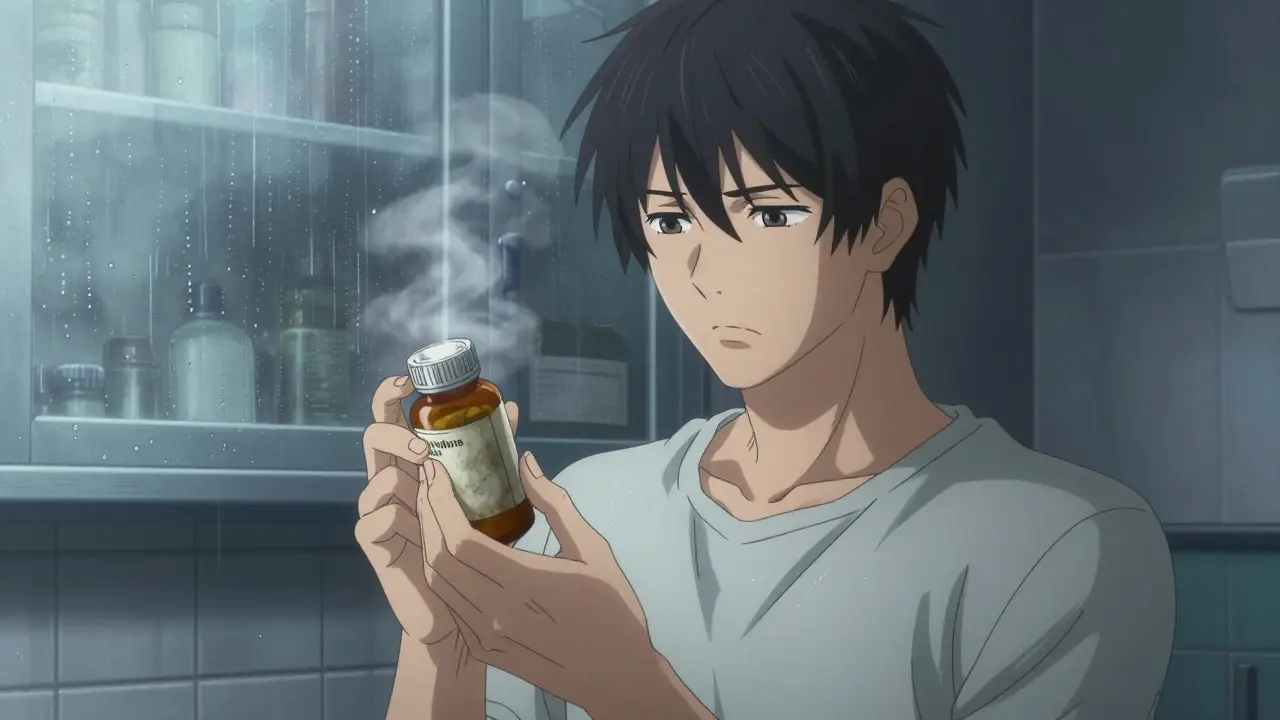
It’s August 2026, and if you haven’t opened your bathroom cabinet since the last daylight saving time change, you might be sitting on a ticking time bomb of ineffective or even dangerous chemicals. We’ve all been there: you reach for that leftover antibiotic from three years ago or that bottle of painkillers you bought during a panic buying spree, only to wonder if it still works. Spoiler alert: it probably doesn’t-and taking it could make things worse.
Checking your medicine cabinet is a critical health maintenance practice that involves systematically reviewing all medications, supplements, and medical supplies to identify and properly dispose of expired, unused, or compromised products. It’s not just about decluttering; it’s about preventing accidental poisonings, reducing misuse potential, and ensuring that when you actually need that epinephrine pen or nitroglycerin, it does its job. With the CDC noting that 70% of misused prescription opioids originate from home medicine cabinets, this isn't just housekeeping-it's public health.
Why You Need to Purge Your Cabinet Now
You might think that an expiration date is just a suggestion, like "best by" on milk. For food, maybe. For medicine? Not so much. According to the FDA is the U.S. Food and Drug Administration, which regulates food and drug safety, using expired medical products is risky and possibly harmful. Expired medications can experience changes in composition or a decrease in strength. That means you might be taking a placebo thinking it’s a cure, or worse, ingesting toxic byproducts.
Dr. Crews-Foye, cited in Cone Health’s 2023 publication, puts it bluntly: “If they are expired, get rid of them. They don’t need to be in the cabinet. They can do more harm than even good.” This is especially true for certain high-risk drug classes. Tetracycline antibiotics, for instance, become toxic after expiration. Liquid medications like insulin and nitroglycerin degrade rapidly, potentially delivering only 60-70% of their intended dosage if stored improperly. If you rely on these for life-threatening conditions, an expired dose isn’t a minor inconvenience; it’s a medical emergency waiting to happen.
The Bathroom Cabinet Trap: Why Humidity Is Your Enemy
Here’s a hard truth: your bathroom cabinet is likely the worst place to store your meds. We love the convenience, but the steam from hot showers creates a humid environment that destroys medication integrity. A 2022 study by Yale New Haven Health found that bathroom humidity reduces drug potency by 15-25% within just six months. That’s right-your pills are losing their punch before they even hit their printed expiration date.
Experts recommend moving your stash to a dry, cool kitchen cabinet away from direct sunlight and heat sources. Improperly stored medications lose potency at 3-4 times the rate of those stored correctly. So, step one of your cleanup isn’t checking dates; it’s relocating your inventory. Keep it out of the bathroom. Seriously.
Your Step-by-Step Medicine Cabinet Checklist
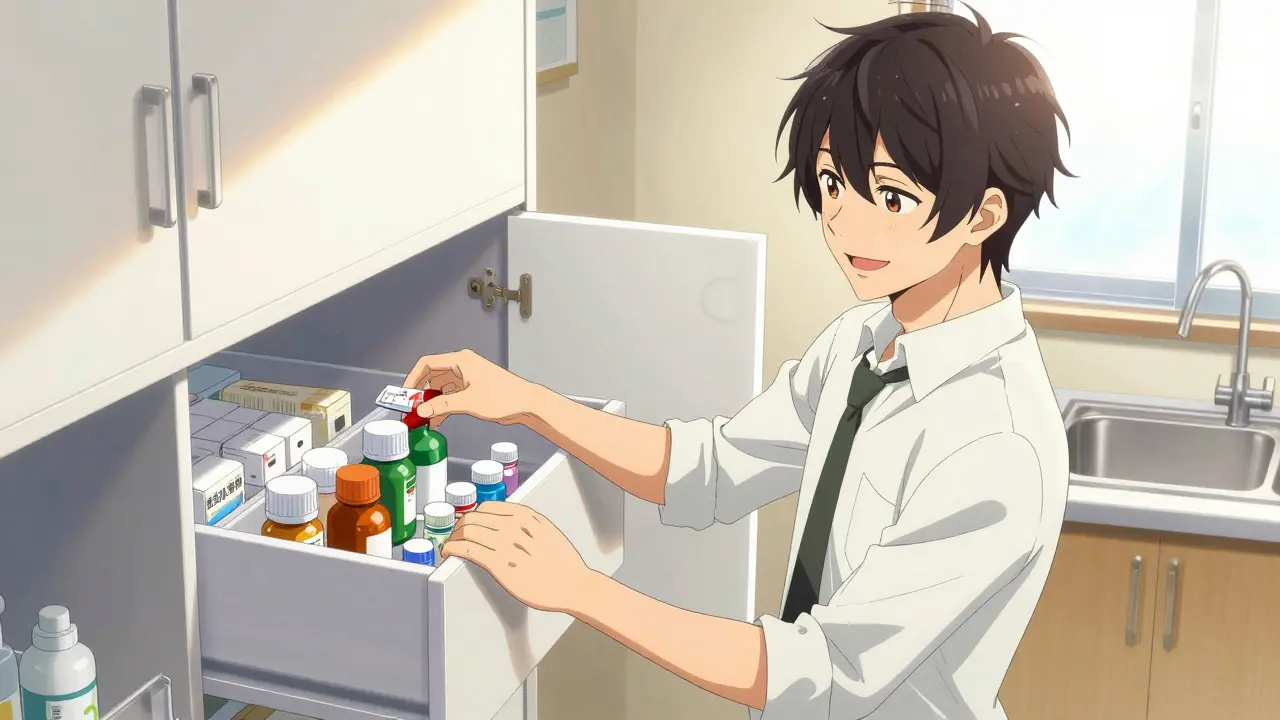
Ready to tackle the clutter? Follow this structured six-step process to ensure nothing slips through the cracks. Don’t just glance over the shelves; pull everything out. You’d be surprised what hides behind the big bottles of Tylenol.
- Empty the Cabinet Completely: Remove every item. Check expiration dates on everything, including ointments, eye drops, and supplements. If a container has no label or the label is faded, discard it immediately. Per Yale New Haven Health guidelines, unmarked containers are a mystery risk you shouldn’t take.
- Apply the One-Year Rule: For prescription medications, the National Kidney Foundation recommends a strict cutoff: discard any prescription drug older than 365 days, regardless of the printed expiration date. This ensures you’re never relying on old stock that may have degraded due to storage fluctuations.
- Inspect for Visual Changes: Even if a med hasn’t expired, check for red flags. Has the color changed? Does it smell different? Is the liquid cloudy? These are signs of chemical breakdown. Throw them out.
- Identify High-Risk Items: Pay special attention to injectables (insulin, epinephrine), liquid antibiotics, and heart medications (nitroglycerin). These are the most sensitive to degradation. If there’s any doubt, toss them.
- Restock Essentials: While you’re cleaning, verify you have basic first aid supplies. NorthShore University HealthSystem recommends keeping adhesive bandages (assorted sizes, min 20 count), gauze pads (min 10), adhesive tape, a non-mercury digital thermometer, alcohol wipes (min 10), hydrogen peroxide, petroleum jelly, scissors, and tweezers.
- Set a Reminder: Link your next checkup to daylight saving time changes in spring and fall. This aligns with smoke detector battery checks and creates a natural, twice-yearly habit. 92% of pharmacists surveyed by CenterWell Pharmacy in 2023 recommend this method for consistent adherence.
How to Dispose of Expired Drugs Safely
Now comes the tricky part: getting rid of them. Flushing them down the toilet is often discouraged unless specifically instructed (like for highly addictive opioids), as it contaminates water supplies. Throwing them loosely in the trash risks someone digging them out. Here’s how to do it right, according to FDA and DEA guidelines.
Option 1: Drug Take-Back Programs (Best Method) The gold standard is using authorized collection sites. As of January 2024, there are 14,623 authorized collection sites nationwide. Many pharmacies, like CVS and Walgreens, offer free prepaid mail-back envelopes. You drop off your meds, and they handle the incineration securely. Check the DEA’s website for local drop boxes.
Option 2: Home Disposal (When Take-Back Isn’t Available) If you can’t get to a drop box, follow the FDA-approved home disposal method:
- Remove drugs from their original containers.
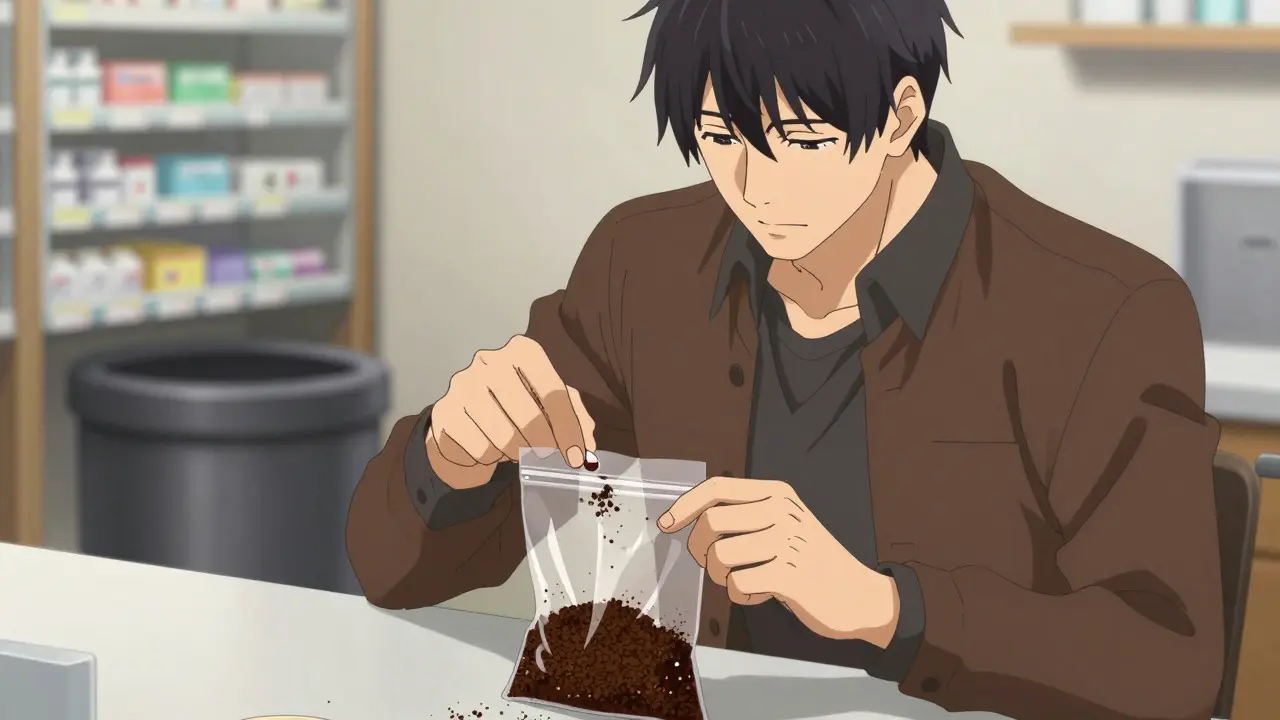
- Mix them with an undesirable substance like used coffee grounds, cat litter, or dirt. Use a minimum 2:1 ratio of filler to medication.
- Place the mixture in a sealed container, like a plastic bag with a tie or an empty yogurt cup.
- Scratch out all personal information on the original packaging before throwing it away.
- Dispose of the sealed container in your household trash.
Special Note on Sharps: Needles, syringes, and lancets require extra care. Use an FDA-approved sharps container. In a pinch, a heavy-duty 2-liter soda bottle works as a temporary alternative. Seal it tightly with heavy-duty tape and label it “Sharps” before trashing it. Never put loose needles in the recycling bin.
Who Is Most at Risk?
This cleanup isn’t just for the neat freaks. Specific groups face higher risks from cluttered cabinets. Older adults, who often manage multiple prescriptions, face a 37% higher risk of reaching for the wrong pill in a disorganized cabinet, leading to dangerous drug interactions. For households with children, the stakes are equally high. Poison control centers reported 67,502 pediatric medication exposures from home cabinets in 2022 alone. Dr. Oscar Cook warns that “some medications come in very pretty colors,” making them attractive to curious kids. Keeping meds in locked, child-resistant containers is non-negotiable.
Future-Proofing Your Medicine Cabinet
As we move through 2026, technology is helping us stay safer. Yale New Haven Health introduced QR code labeling systems for home medicine cabinets, allowing smartphone scanning to track expiration dates. Piloted in 1,200 Connecticut households, this system improved adherence to disposal guidelines by 89%. Additionally, smart home integrations are emerging, with companies developing humidity-monitoring inserts that alert users when storage conditions compromise medication integrity.
Regulatory changes are also pushing for better habits. By March 2024, 34 states had passed laws requiring pharmacies to provide disposal instructions with every prescription, up from just 12 states in 2020. This signals a growing recognition that medicine cabinet safety is a systemic public health issue.
How often should I check my medicine cabinet?
Healthcare professionals recommend checking your medicine cabinet at least twice a year. Aligning these checks with daylight saving time changes in the spring and fall helps create a consistent routine. This frequency ensures that expired or degraded medications are removed before they pose a safety risk.
Can I flush expired medications down the toilet?
Generally, no. Flushing should only be done if the medication’s label or patient information guide specifically instructs it, typically for highly addictive opioids to prevent misuse. For most other drugs, use drug take-back programs or the FDA-approved home disposal method involving mixing with unappealing substances like coffee grounds.
Are all expired medications dangerous?
Not all expired medications are immediately toxic, but they are less effective. Some, like tetracycline antibiotics, can become toxic. Others, like insulin and nitroglycerin, lose potency rapidly, which can be life-threatening for people relying on them for acute conditions. The safest rule is to discard anything past its expiration date.
Where is the best place to store medications?
Avoid bathrooms due to humidity and temperature fluctuations. Store medications in a dry, cool place like a bedroom drawer or kitchen cabinet, away from direct sunlight and heat sources. This preserves potency and extends the usable life of your medications up to their expiration dates.
What should I do with old prescription needles and syringes?
Use an FDA-approved sharps container. If one isn’t available, a heavy-duty 2-liter plastic bottle can serve as a temporary substitute. Fill it with sharps, seal it tightly with heavy-duty tape, label it clearly as “Sharps,” and dispose of it in your household trash. Never recycle loose needles.