Imagine you could lower your chance of getting cancer by nearly a quarter just by changing how you eat, move, and live. It sounds too good to be true, but the science backs it up. According to the World Health Organization (WHO), between 30% and 40% of all cancer cases are preventable. That means more than one in three diagnoses might never happen if we address the modifiable risks in our daily lives.
We often think of cancer as something that happens randomly or is entirely genetic. While genetics play a role-accounting for about 5-10% of cases-they are not the whole story. The rest comes down to environmental exposures and, most importantly, our lifestyle choices. This article breaks down exactly what those choices are, why they matter, and introduces the concept of chemoprevention, which uses natural substances from food to fight cancer cells before they start.
The Core Pillars of Cancer Prevention
You don’t need a medical degree to understand the basics. The American Cancer Society (ACS) and the World Cancer Research Fund (WCRF) have spent decades studying this. Their guidelines are clear, consistent, and actionable. Here are the non-negotiables.
1. Keep Your Weight in Check
Being overweight is a major driver of cancer risk. It’s not just about looks; it’s about biology. Fat tissue isn’t just stored energy; it’s active tissue that produces hormones and inflammatory markers. When your Body Mass Index (BMI) rises above 25, your risk for several cancers goes up. The American Institute for Cancer Research (AICR) found that every 5-unit increase in BMI above 25 links to a 12% higher risk of postmenopausal breast cancer, 10% for kidney cancer, and 8% for colorectal cancer.
Weight management targets a BMI between 18.5 and 24.9. Even losing 5-10% of your body weight can significantly reduce inflammation and improve insulin levels, which tumor cells love to feed on.
2. Move Your Body Daily
Sitting is the new smoking, and the data supports it. You don’t need to run marathons. The goal is 150 minutes of moderate-intensity activity per week. Think brisk walking at 3-4 mph, swimming, or cycling. If you prefer high intensity, like running at 6+ mph, aim for 75 minutes weekly.
Why does this help? Exercise lowers estrogen and insulin levels, reduces inflammation, and boosts your immune system. A 2023 analysis by the Mayo Clinic showed that hitting these exercise targets cuts colon cancer risk by 24% and breast cancer risk by 12-20% compared to staying sedentary.
3. Eat Like Your Life Depends On It
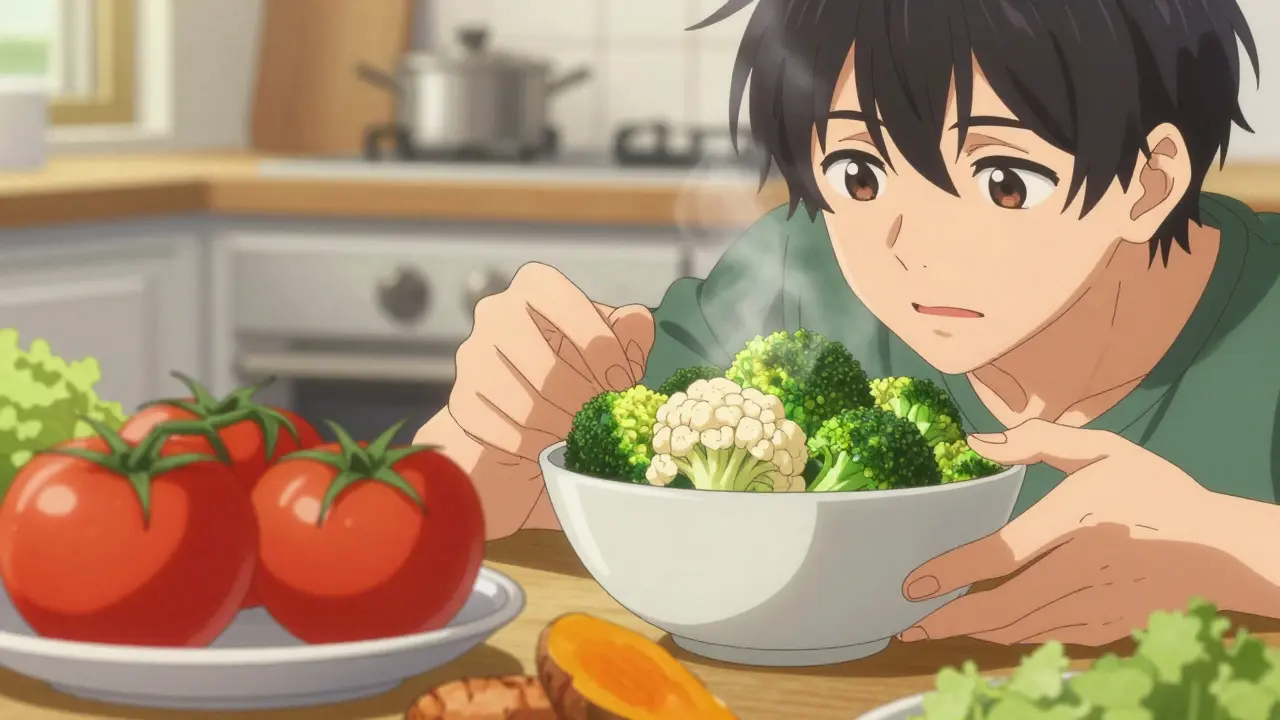
Your plate is your primary defense tool. The ACS recommends filling half your plate with vegetables and fruits. Specifically, aim for 2.5-3 cups of vegetables and 1.5-2 cups of fruit daily. But not all veggies are equal. Cruciferous vegetables like broccoli, cauliflower, and Brussels sprouts contain compounds called glucosinolates. These break down into sulforaphane, a powerful agent that helps detoxify carcinogens. UC Davis Health’s 2024 meta-analysis linked regular consumption of these veggies to a 15-20% lower risk of prostate cancer.
4. Limit Alcohol Strictly
This is where many people get tripped up. "In moderation" doesn’t mean a bottle of wine on Friday night. The limit is two standard drinks (28g ethanol) daily for men and one (14g) for women. Every additional drink increases breast cancer risk by 7-12% and esophageal cancer by 20-30%. Alcohol breaks down into acetaldehyde, a known carcinogen that damages DNA.
5. Protect Your Skin
Skin cancer is highly preventable. Use broad-spectrum sunscreen with SPF 30 or higher. Reapply every two hours, especially if you’re sweating or swimming. Avoid direct sun exposure between 10 a.m. and 4 p.m., when UV radiation is strongest. This simple habit can cut melanoma risk by 50%.
Understanding Chemoprevention
You’ve heard of chemotherapy, which treats existing cancer. Chemoprevention is different. It involves using natural substances from foods-or sometimes medications-to stop normal cells from turning into cancer cells or to slow the growth of early-stage cancer cells.
Think of it as arming your body’s internal police force. Many plants produce chemicals to protect themselves from bugs and fungi. When we eat them, those same chemicals protect us. Here are some key players:
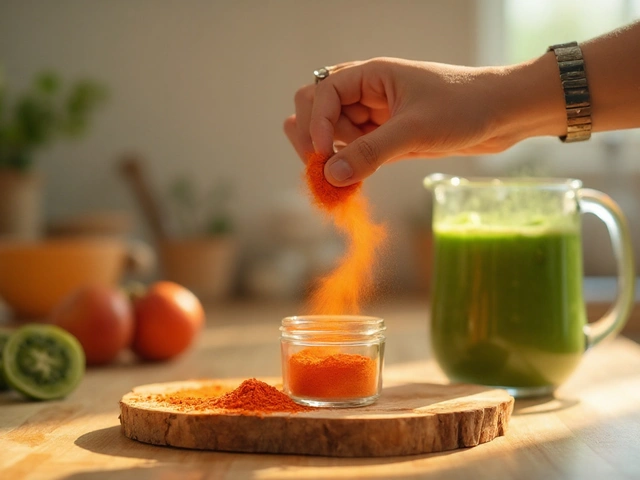
- Curcumin (from Turmeric): Reduces inflammation and may inhibit the spread of cancer cells.
- Lycopene (from Tomatoes): Linked to lower prostate cancer risk. Cooked tomatoes release more lycopene than raw ones.
- Resveratrol (from Grapes/Berries): An antioxidant that may protect against DNA damage.
- Indole-3-carbinol (from Cruciferous Veggies): Helps the liver process and eliminate excess hormones like estrogen.
While supplements exist, experts generally recommend getting these compounds from whole foods. Whole foods offer a complex mix of nutrients that work together synergistically, which pills often fail to replicate.
| Factor | Recommendation | Risk Reduction Impact |
|---|---|---|
| Tobacco Avoidance | Complete cessation | Prevents 78% of lung cancer cases |
| Physical Activity | 150 mins moderate/week | 24% lower colon cancer risk |
| Alcohol Limitation | Max 1 drink/day (women) | Reduces breast cancer risk by 7-12% per drink avoided |
| Dietary Fiber | High intake of whole grains/veggies | Linked to lower colorectal cancer rates |
| Sun Protection | SPF 30+, avoid peak sun | 50% lower melanoma risk |
Overcoming Real-World Barriers
Knowing what to do is easy. Doing it consistently is hard. A 2023 survey by UCLA Medical Center found that 68% of patients struggle with physical activity, mostly due to time constraints. Another 52% find it hard to eat enough vegetables.
So, how do you make it stick? Dr. Alpa Patel from the American Cancer Society suggests focusing on small, sustainable changes rather than drastic overhauls. Programs that focus on single-behavior changes see a 78% retention rate after 12 months, compared to just 32% for multi-factor interventions.
Try the "3-2-1" framework:
- 30 minutes of activity daily.
- 2+ vegetable servings at lunch and dinner.
- 1 hour less screen time.
Set specific weekly goals. Instead of saying "I’ll eat healthier," say "I will add spinach to my eggs every morning." Specificity breeds success. Also, seek social support. Studies show that pairing activity tracking with friends or groups increases adherence by 40%.

The Role of Screening and Genetics
Lifestyle changes are powerful, but they aren’t magic bullets. Genetic factors account for 5-10% of cancers, and environmental exposures add another 15-20%. This is why screening remains critical. Mammograms, colonoscopies, and Pap smears catch abnormalities early, when they are easiest to treat.
If you have a strong family history of cancer, talk to your doctor about genetic testing. Knowing your risk profile allows for personalized prevention strategies, such as starting screenings earlier or considering preventive medications (like tamoxifen for high-risk breast cancer patients).
Future Directions in Prevention
Science is moving toward precision prevention. The National Cancer Institute (NCI) is funding studies to see if genetic profiling can personalize dietary recommendations. Imagine a diet plan tailored not just to your weight goals, but to your specific cancer risk genes. Preliminary data from trials like NCI-MATCH is expected in late 2025.
Meanwhile, digital health tools are becoming bigger players. Apps that track nutrition, activity, and sleep are helping people stay accountable. The NIH has allocated $287 million for lifestyle intervention research through 2028, prioritizing these digital solutions.
Remember, prevention is a marathon, not a sprint. You don’t have to be perfect. You just have to be consistent. Start with one change today. Add a vegetable to your next meal. Take a ten-minute walk. Small steps lead to big results.
How much cancer is actually preventable?
According to the World Health Organization, approximately 30-40% of all cancer cases are preventable through lifestyle modifications such as avoiding tobacco, maintaining a healthy weight, eating a balanced diet, and limiting alcohol consumption.
What is chemoprevention?
Chemoprevention is the use of natural substances from foods or specific medications to stop normal cells from becoming cancerous or to prevent early-stage cancer cells from progressing. Common examples include eating cruciferous vegetables, turmeric, and tomatoes.
Does being overweight really increase cancer risk?
Yes. Excess body fat produces hormones and inflammatory markers that can promote cancer growth. For example, each 5-unit increase in BMI above 25 is linked to a 12% higher risk of postmenopausal breast cancer and 10% higher risk of kidney cancer.
How much alcohol is safe regarding cancer risk?
The safest amount is none, but guidelines suggest limiting intake to no more than two drinks per day for men and one drink per day for women. Each additional drink significantly increases the risk of breast and esophageal cancers.
Can exercise really prevent cancer?
Yes. Regular physical activity helps regulate hormones, reduces inflammation, and boosts immunity. Meeting the guideline of 150 minutes of moderate exercise per week can reduce colon cancer risk by 24% and breast cancer risk by 12-20%.
Are cancer prevention supplements effective?
Experts generally recommend getting protective compounds from whole foods rather than supplements. Whole foods provide a synergistic mix of nutrients that isolated supplements often lack. Always consult a doctor before starting any new supplement regimen.
What are the best vegetables for cancer prevention?
Cruciferous vegetables like broccoli, cauliflower, and Brussels sprouts are top choices. They contain glucosinolates, which break down into compounds like sulforaphane that help detoxify carcinogens and reduce cancer risk.
How does tobacco affect cancer risk?
Tobacco is the single biggest preventable cause of cancer. Smoking causes about 78% of lung cancer cases and contributes to 15-20% of all cancer deaths globally. Quitting at any age reduces risk significantly.
Is skin cancer preventable?
Most skin cancers, including melanoma, are highly preventable. Using SPF 30+ broad-spectrum sunscreen, wearing protective clothing, and avoiding peak sun hours (10 a.m. to 4 p.m.) can reduce melanoma risk by up to 50%.
What is the "3-2-1" framework for prevention?
It’s a simple strategy recommended by the American Cancer Society: 30 minutes of daily activity, 2+ servings of vegetables at lunch and dinner, and 1 hour less screen time. It focuses on small, sustainable changes for better long-term adherence.