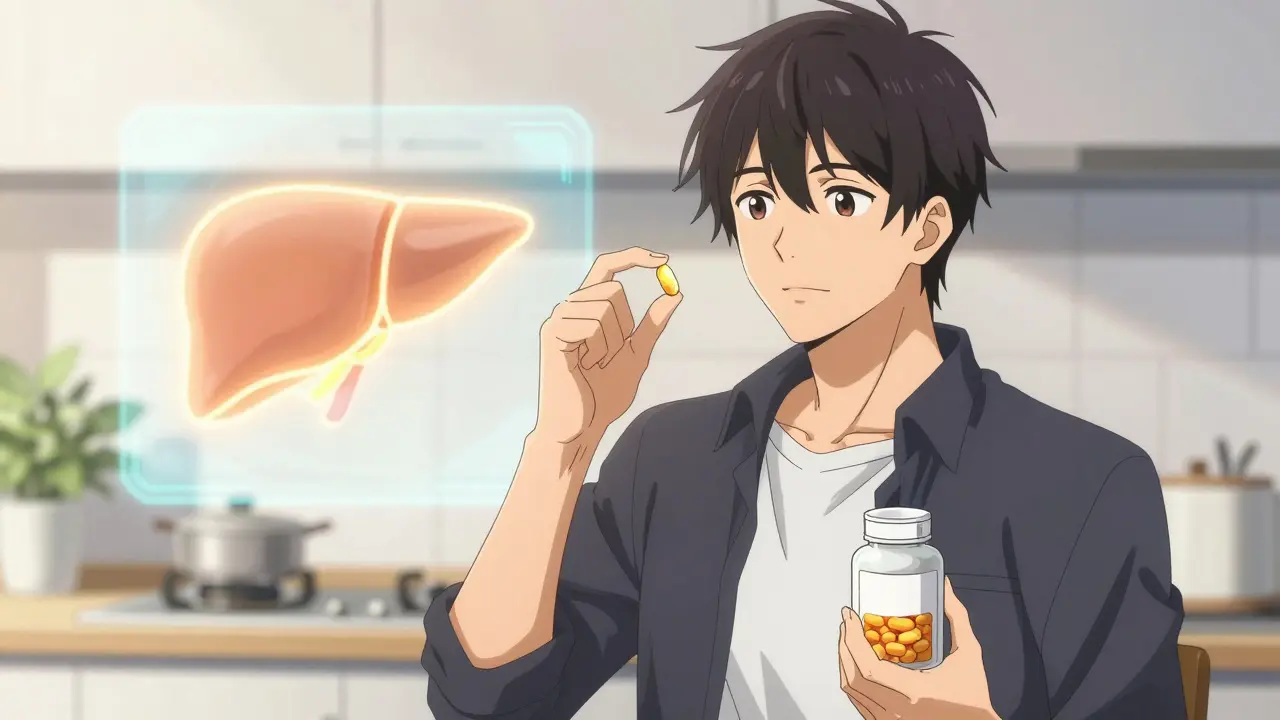
Most of us reach for a "natural" supplement thinking it's a safer alternative to pharmaceuticals. Whether it's a turmeric capsule for inflammation or green tea extract for weight loss, the label "natural" often acts as a mental shortcut for "safe." But here is the scary part: your liver doesn't always see it that way. In fact, cases of herbal liver toxicity is liver damage or failure caused by the consumption of dietary supplements and botanical products have skyrocketed over the last two decades. What was once a small fraction of drug-induced liver injuries has grown into a major public health concern, with some studies showing that supplements now cause about 20% of these cases.
The Hidden Risks of "Natural" Ingredients
When you swallow a supplement, your liver is the primary processing plant. It has to break down every compound before it enters your bloodstream. The problem is that many herbal products contain complex mixtures of chemicals that can overwhelm the liver's detox pathways. According to experts like Dr. Alisa Likhitsup from the University of Michigan, we still don't fully understand exactly how these products trigger damage, but it's likely linked to how the liver metabolizes them after they are consumed.
For some people, this isn't about the dose-it's about biology. Some of us are simply more susceptible. Dr. Robert S. Brown from Weill Cornell Medicine compares it to an allergy. You might take a small amount of a supplement for years with no issues, but for a vulnerable person, that same capsule can lead to a complete liver overload. This individual sensitivity means that even "safe" doses can be dangerous for a minority of users.
The "Big Six": Supplements Most Linked to Liver Injury
Not all herbs are created equal. A 2024 study published in JAMA Network Open identified six specific botanicals that show up most frequently in cases of liver damage in the U.S. If you are using any of these, especially in high doses, you should be aware of the risks.
- Turmeric (or Curcumin): While great in food, high-dose supplements have been linked to hospitalizations for liver injury.
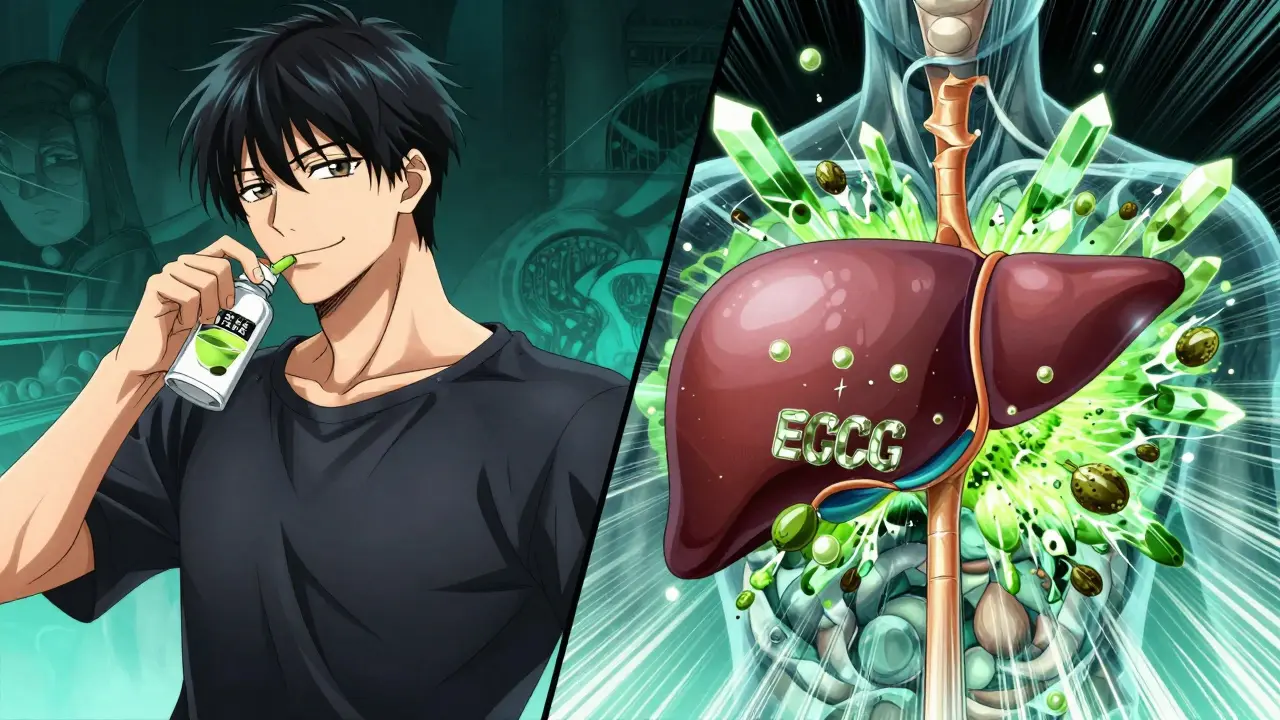
- Green Tea Extract: Unlike brewed tea, the concentrated extracts can be toxic, particularly due to high levels of EGCG.
- Garcinia Cambogia: Often used for weight loss, this fruit extract has several documented links to hepatotoxicity.
- Black Cohosh: Frequently used for menopause symptoms, but has appeared in multiple liver failure case reports.
- Red Yeast Rice: Used to lower cholesterol, but can cause liver enzyme elevations.
- Ashwagandha: An adaptogen that has recently seen a spike in reports of liver inflammation.
| Supplement | Common Use | Potential Risk / Attribute |
|---|---|---|
| Turmeric/Curcumin | Anti-inflammatory | Hospitalization risk at high doses |
| Green Tea Extract | Metabolism/Weight loss | EGCG overdose risk |
| Black Cohosh | Menopause relief | Acute liver failure reports |
| Garcinia Cambogia | Weight loss | Chemical-induced hepatotoxicity |
The Danger of the "Unregulated" Market
Here is the most frustrating part: dietary supplements are not regulated like medicine. The FDA does not require companies to perform human clinical trials or pharmacokinetic studies before they sell a product. This creates a "Wild West" scenario where what's on the label might not be what's in the bottle.
Research has revealed a shocking gap in quality control. Some analyses show that up to 60% of tested products are mislabeled or adulterated. You might think you're taking a pure herb, but you could actually be consuming:
- Heavy Metals: Lead has been found in 18% of certain products, with mercury and arsenic also appearing frequently.
- Hidden Drugs: Some "natural" sexual enhancement pills contain sildenafil (the active ingredient in Viagra), and some pain relief herbs are spiked with NSAIDs or corticosteroids.
- Pesticides: About 23% of herbal products have detectable pesticide residues.
Even within a "pure" plant, the potency varies. The timing of the harvest, the soil it grew in, and whether the root or the leaf was used can change the chemical makeup of the supplement entirely. This inconsistency makes it nearly impossible for a consumer to know exactly how much of a toxic compound they are ingesting.
Warning Signs: How to Tell if Your Liver is Struggling
Liver damage often sneaks up on you because the liver doesn't have many pain receptors. By the time you feel "sick," the damage could be significant. However, there are a few hallmark symptoms that should serve as a red flag. If you are taking supplements and notice these, stop immediately and see a doctor:
- Extreme Fatigue: This is the most common sign, reported in 87% of cases.
- Abdominal Pain: Specifically in the upper right side, where your liver is located (seen in 76% of cases).
- Nausea: A general feeling of sickness or lack of appetite (68% of cases).
- Dark Urine: Often described as "tea-colored" or "cola-colored" urine (52% of cases).
Doctors use blood tests to check for ALT (alanine aminotransferase) and AST (aspartate aminotransferase). If these enzymes are elevated, it means liver cells are leaking or dying. The American College of Gastroenterology now recommends that clinicians screen for supplement use whenever these levels are unexplained.
The Social Media Trap: TikTok Trends vs. Medical Reality
We're seeing a dangerous trend where Gen Z and Millennials are discovering "wellness" through TikTok and Instagram. Viral videos often promote a specific supplement for everything from anxiety to weight loss without mentioning the risks. This digital word-of-mouth bypasses medical professionals entirely, leading more people to experiment with potent botanicals like Kratom or concentrated extracts without knowing their medical history or genetic predispositions.
Emerging science in pharmacogenomics is starting to explain why some people react so poorly. For instance, people with the HLA-B*35:01 allele may be more likely to experience liver toxicity from certain herbs. While we can't all get genetic testing, it proves that "one size fits all" does not apply to natural health.
Are all herbal supplements dangerous for the liver?
No, not all of them. Most people use supplements without any issues. The danger comes from specific potent extracts (like green tea extract), very high doses, or products contaminated with heavy metals and hidden pharmaceuticals. The risk is significantly higher if you already have liver disease or are taking other medications that stress the liver.
Why is green tea extract more dangerous than drinking green tea?
Concentration is the key. Drinking a cup of tea provides a modest amount of antioxidants. However, supplements contain highly concentrated levels of EGCG (epigallocatechin gallate). In large amounts, EGCG can cause mitochondrial stress in liver cells, leading to inflammation and, in rare cases, acute liver failure.
Can I take turmeric safely?
Using turmeric as a spice in cooking is generally very safe. The concern arises with high-dose curcumin supplements. Some users have developed liver injury after long-term use of concentrated capsules. If you choose to supplement, do so under medical supervision and avoid extremely high doses.
How can I tell if a supplement is high quality?
Since the FDA doesn't pre-approve supplements, look for third-party certifications. Labels like USP (U.S. Pharmacopeia) or NSF International indicate that the product has been tested for purity and actually contains the ingredients listed on the label. Avoid products that make "miracle" claims or those sold exclusively via social media influencers.
What should I do if I think a supplement is hurting my liver?
Stop taking the supplement immediately and contact your doctor. Be honest about every supplement, herb, or "detox tea" you've used. Request a liver function test (LFT) to check your ALT and AST levels. Early detection of supplement-induced liver injury usually leads to a full recovery if the toxic substance is removed quickly.
What to Do Now
If you're currently taking a regimen of vitamins and herbs, take a moment to audit your cabinet. Start by listing everything-including those "natural" weight loss pills or mood boosters. Check if any of them fall into the high-risk category of concentrated botanicals.
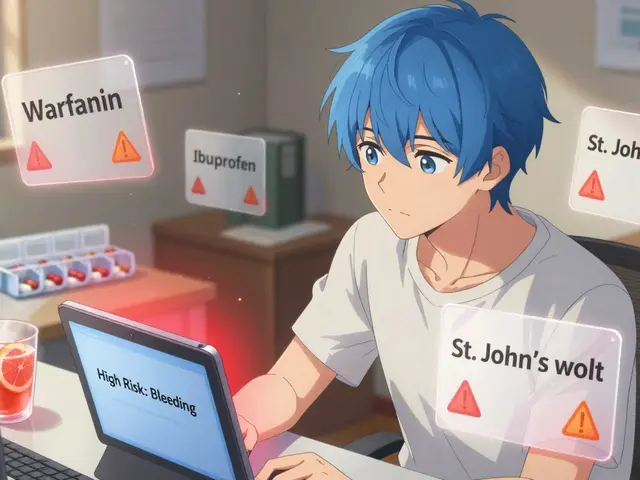
Your next best move is to schedule a quick chat with your doctor. Don't just tell them you take "vitamins"; bring the actual bottles so they can see the dosages and ingredients. If you have a history of liver issues or are taking prescription meds (like statins or blood thinners), this conversation is non-negotiable. Your liver is an incredible organ, but it has a breaking point. Don't let a "wellness" trend be the thing that pushes it over the edge.


Joshua Nicholson
April 18, 2026 AT 02:56kinda crazy how people just trust random pills without checking anything first
Cheryl C
April 18, 2026 AT 04:14USA is the only place where we actually have a chance to find the good stuff but these regulaions r just way too much!! 🇺🇸🇺🇸 let us live!! lol 😂
william wang
April 19, 2026 AT 11:19It's really helpful to see a list like this because most people don't realize that concentrated extracts act differently in the body than the whole plant. I've always told my friends to stick to culinary amounts of turmeric if they want the benefits without the risk. It's all about that bioavailability and how the liver processes those specific isolated compounds.
Randall Barker
April 20, 2026 AT 22:13This is the inevitable result of a society that prizes convenience over wisdom. People treat their bodies like garbage disposals and then act surprised when the machine breaks. We have traded the disciplined pursuit of health for a quick fix in a capsule, ignoring the fundamental truth that nature is not "safe" just because it is "natural." It is a moral failing to outsource your health to a TikTok trend instead of exercising basic intellectual rigor.
Nell O'Leary
April 22, 2026 AT 03:52The pharmacokinetic profile of these botanical extracts is often completely overlooked by consumers. When you're dealing with hepatotoxicity, the metabolic pathway is key, especially with the EGCG levels in green tea extracts inducing mitochondrial stress. It's a classic case of dose-dependent toxicity where the therapeutic window is much narrower than the marketing suggests. :)
Ben Ferguson
April 22, 2026 AT 13:30Oh, the sheer tragedy of this modern era where we discard the ancient wisdom of the apothecary in favor of these sterile, mass-produced pills that pretend to be nature but are actually just chemical cocktails! I remember spending hours in the old markets of the world, smelling the raw roots and seeds, and realizing that the connection between the earth and the body is a sacred dance that cannot be replicated by a factory in an industrial park. We are losing our soul to a corporate version of wellness that strips away the magic and replaces it with a liability waiver and a glossy label that lies to us all while our livers suffer in silence!
Dana Chichirita Nicoleta
April 23, 2026 AT 12:22It is just so wonderfully empowering to finally have a clear guide that allows us to navigate our health journeys with such precision and grace! I am absolutely thrilled that we can now turn to third-party certifications like USP to ensure that the supplements we choose are of the highest possible purity and quality. Imagine the peace of mind we all feel knowing that we can protect our precious livers while still embracing the vibrant gifts of nature in a safe and measured way! I truly believe that with this information, we can all blossom into our healthiest selves!
Kim Hyunsoo
April 24, 2026 AT 17:45The part about the HLA-B*35:01 allele is such a wild rabbit hole to fall down... it's like a secret genetic lottery where some of us just get the short straw for certain herbs. It's kind of spooky how a tiny sequence of DNA can turn a "healthy" root into a poison. 😵💫
Richard Moore
April 25, 2026 AT 07:16Exactly! It's high time we stop letting these unregulated companies play fast and loose with our organs! 😡 If a product isn't USP certified, it's basically a gamble with your life! 🛑
Adele Shaw
April 25, 2026 AT 21:13Typical. We live in a country where the government can't even regulate a simple pill bottle. It's a joke. I've had my own health scares and it's always the same story: the company lies, the influencer gets paid, and the rest of us just get sick while they laugh all the way to the bank. It's honestly disgusting how little they care about the average person just trying to feel better.