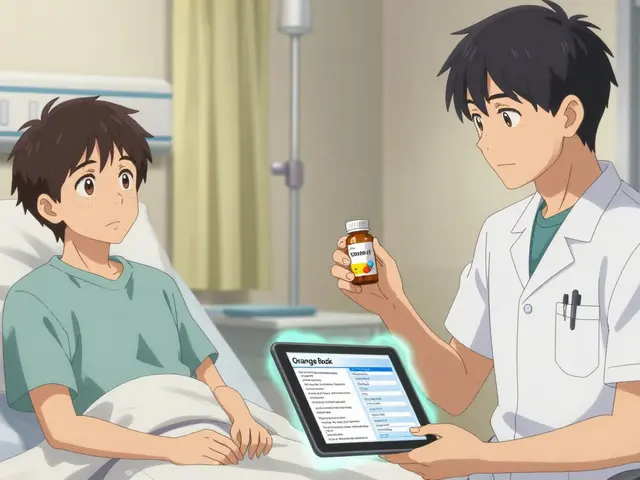
Did you take a pill that wasn’t yours? Did a nurse give you an injection with the wrong dosage? Maybe your child’s school nurse administered a dose at the wrong time. These aren’t just scary moments; they are medication errors, which are mistakes in prescribing, dispensing, or administering drugs that can harm patients. According to landmark research by the Institute of Medicine, these errors injure approximately 1.3 million people annually in the United States alone. While the healthcare system has robust internal protocols, patients and families often find themselves on the outside looking in when things go wrong. Knowing how to properly report these incidents is not just about seeking justice for yourself; it is a critical step in preventing the next person from suffering the same fate.
You might feel overwhelmed or afraid of being labeled "difficult" if you speak up. That hesitation is common, but it is also dangerous. When errors are hidden, systems don’t improve. This guide will walk you through exactly what to do, who to tell, and how to document everything so your voice is heard and the issue is resolved.
Recognizing the Error: Trust Your Instincts
The first step in reporting is recognizing that something is off. You know your body better than anyone else. If you experience unexpected symptoms, severe side effects, or notice that a medication looks different from what you usually take, stop and assess the situation. Common types of errors include receiving the wrong drug entirely, getting the wrong dose (too high or too low), taking a medication via the wrong route (like swallowing a patch meant for the skin), or timing issues where doses are given too close together or too far apart.
Don’t dismiss subtle signs. A rash, unusual dizziness, or confusion could be linked to a recent prescription change or administration error. If you are caring for a child or an elderly relative, watch for changes in behavior or physical status shortly after medication is given. The National Coordinating Council for Medication Error Reporting and Prevention (NCC MERP) classifies errors based on their potential to cause harm, ranging from circumstances that could have led to an error to those that contributed to death. Even if no immediate harm occurred, a "near miss" is still vital information for improving safety.
Gathering Evidence: What You Need Before You Report
Before you make any calls or fill out forms, gather as much concrete evidence as possible. Memory fades, but documentation lasts. Here is what you should collect immediately:
- Medication Containers: Keep the original bottles, boxes, or packaging. Do not throw them away. The labels contain crucial details like the prescriber’s name, pharmacy stamp, expiration date, and specific instructions.
- Symptom Log: Start a written record right now. Note the time the medication was taken, the exact symptoms you experienced, and how long they lasted. Include details like temperature readings, photos of rashes or bruising, and any functional limitations (e.g., inability to drive or work).
- Medical Records: Request your complete medical records related to the incident. Under HIPAA regulations, providers generally have 30 days to comply, but you can ask for expedited processing due to safety concerns. Successful investigations often rely on comparing the prescribed medication against what was actually administered.
- Witness Statements: If someone was with you when the error occurred-such as a family member, friend, or other hospital staff-ask them to write down exactly what they saw while it is fresh in their minds.
This preparation takes about 15 to 30 minutes but makes a massive difference in the credibility of your report. Without this data, providers may dismiss your concerns as subjective complaints rather than objective safety failures.

Reporting Internally: Talking to Your Provider
Your first point of contact should always be the healthcare provider or facility where the error occurred. This allows them to address any immediate health risks and correct the mistake. Approach the conversation calmly but firmly. State the facts clearly: "I believe I received the wrong medication," or "This dose seems higher than my usual prescription."
Ask to speak with the charge nurse, the attending physician, or the patient safety officer. In hospitals, most accredited facilities have internal reporting systems mandated by organizations like The Joint Commission. However, be aware that internal reporting can sometimes be slow. Studies show that only about 14% of nurses report all errors internally due to fear of punitive cultures. If your initial concern is dismissed or ignored, do not give up. Escalate the issue to hospital administration or the patient advocacy department. Document every interaction, including names, dates, and times.
If the error occurred in a school setting, protocols are stricter. For example, many states require school staff to notify parents within 24 hours and document the student’s status continuously. If you are a parent, demand a copy of the incident report and ask what steps are being taken to prevent recurrence.
External Reporting: FDA MedWatch and ISMP
If internal channels fail, or if you want to ensure the error is tracked on a national level, you need to use external reporting mechanisms. The most prominent of these is the FDA MedWatch program, which is the U.S. Food and Drug Administration's voluntary safety information and adverse event reporting program.
MedWatch handles roughly 140,000 reports annually. It is free, confidential, and designed specifically for consumers and healthcare professionals to report serious problems and side effects with medications and medical devices. You can file a report online, by fax, or by mail. The updated online portal introduced in 2023 has streamlined the process, reducing completion time to under nine minutes. When filing, include your symptom log, photos of the medication labels, and a description of the timeline. While the FDA acknowledges that underreporting remains a challenge, your report contributes to a database that can trigger recalls or label changes.
Another powerful resource is the Institute for Safe Medication Practices (ISMP), which is a nonprofit organization dedicated to advancing safe medication use and practices. Founded in 1975, ISMP offers a non-punitive reporting channel. Unlike regulatory bodies, ISMP focuses on analyzing trends and publishing safety alerts to help other providers avoid similar mistakes. They have contributed to hundreds of medication safety improvements since inception. Submitting a report here ensures your experience is analyzed by experts who understand the nuances of pharmaceutical safety.
| Channel | Best For | Response Time | Key Benefit |
|---|---|---|---|
| Internal Provider Report | Immediate correction & personal care | Variable (often slow) | Direct impact on your current treatment |
| FDA MedWatch | National tracking & regulatory action | No formal acknowledgment guaranteed | Can trigger drug recalls or label warnings |
| ISMP | Expert analysis & industry education | Confidential review | Non-punitive culture; helps prevent future errors |
| State Medical Board | Licensing issues & professional misconduct | Weeks to months | Holds providers accountable for licensure violations |

Legal Considerations and Patient Rights
Many patients hesitate to report errors due to fear of legal repercussions or retaliation. It is important to understand your rights. In 38 U.S. states, "apology laws" protect expressions of sympathy from being used as evidence in court. Additionally, research published in Health Affairs shows that prompt disclosure of errors actually reduces litigation rates by 37%. Transparency builds trust, even in difficult situations.
If you have suffered significant harm, consult with a medical malpractice attorney. Organizations like the Simmons Law Group specialize in these cases. An attorney can help you navigate the complex legal landscape, ensure your medical records are preserved correctly, and determine if your case qualifies for compensation. Remember, reporting an error for safety purposes is distinct from filing a lawsuit, though both can happen simultaneously. Never sign any settlement documents without legal counsel, as they may waive your right to report the incident further.
Follow-Up and Advocacy
Reporting is not a one-time event; it is a process. After submitting your report to MedWatch or your provider, keep track of any responses. If you hear nothing, send a polite follow-up email or letter. Persistence matters. According to patient feedback, only 36% of patients receive formal written acknowledgment of their reports initially. By following up, you increase the likelihood that your case is reviewed thoroughly.
Consider sharing your story with patient advocacy groups or online communities. Platforms like Healthgrades or specialized subreddits allow others to learn from your experience. One user reported that submitting a complete MedWatch report with photo evidence prompted an immediate FDA investigation and a medication recall within three business days. Your voice can spark systemic change.
What should I do immediately after discovering a medication error?
First, ensure your immediate safety. Stop taking the medication if it is oral and seek medical attention if you are experiencing severe symptoms. Then, preserve all evidence: keep the medication container, take photos of labels, and start a detailed symptom log noting times and effects. Contact your healthcare provider immediately to inform them of the discrepancy.
Will reporting a medication error affect my relationship with my doctor?
It might feel tense initially, but reputable healthcare providers prioritize patient safety. Most doctors and nurses operate under a "just culture" framework that distinguishes between human error and reckless behavior. Transparent reporting often leads to improved care protocols. If you face hostility or dismissal, escalate the issue to hospital administration or consider changing providers.
Is the FDA MedWatch report anonymous?
Yes, you can choose to remain anonymous when filing a MedWatch report. However, providing your contact information allows the FDA to follow up if they need more details about the incident. Your identity is protected from public disclosure, but the data you provide helps identify broader safety trends.
How long do I have to report a medication error?
There is no strict statutory deadline for consumer reports to the FDA MedWatch program, but it is best to report as soon as possible while details are fresh. Internal hospital reports typically require submission within 24 to 72 hours. For legal claims, statutes of limitations vary by state, often ranging from one to three years from the date of discovery.
What if the error happened at my child's school?
Schools have specific protocols for medication administration incidents. Demand a copy of the incident report and request a meeting with the school nurse and administrator. Document all communications. If the district does not provide adequate follow-up or prevention measures, you can report the incident to your state’s Department of Education or file a complaint with local health authorities.