Medication Heat Risk Calculator
Select the medications you are currently taking to see how they impact your body's ability to cool down.
Diuretics
Water Pills (Microzide)Beta Blockers
Heart/Anxiety (Toprol)Anticholinergics
Benadryl, Bladder medsGLP-1 Agonists
Ozempic, WegovyPsychotropics
Antipsychotics, TCAs, LithiumYour Heat Risk Profile
Based on selected medications
Select medications to analyze your cooling capacity.
Immediate Action Plan
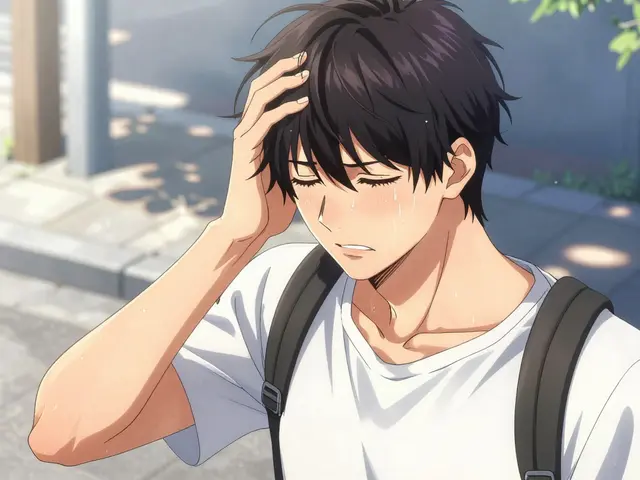
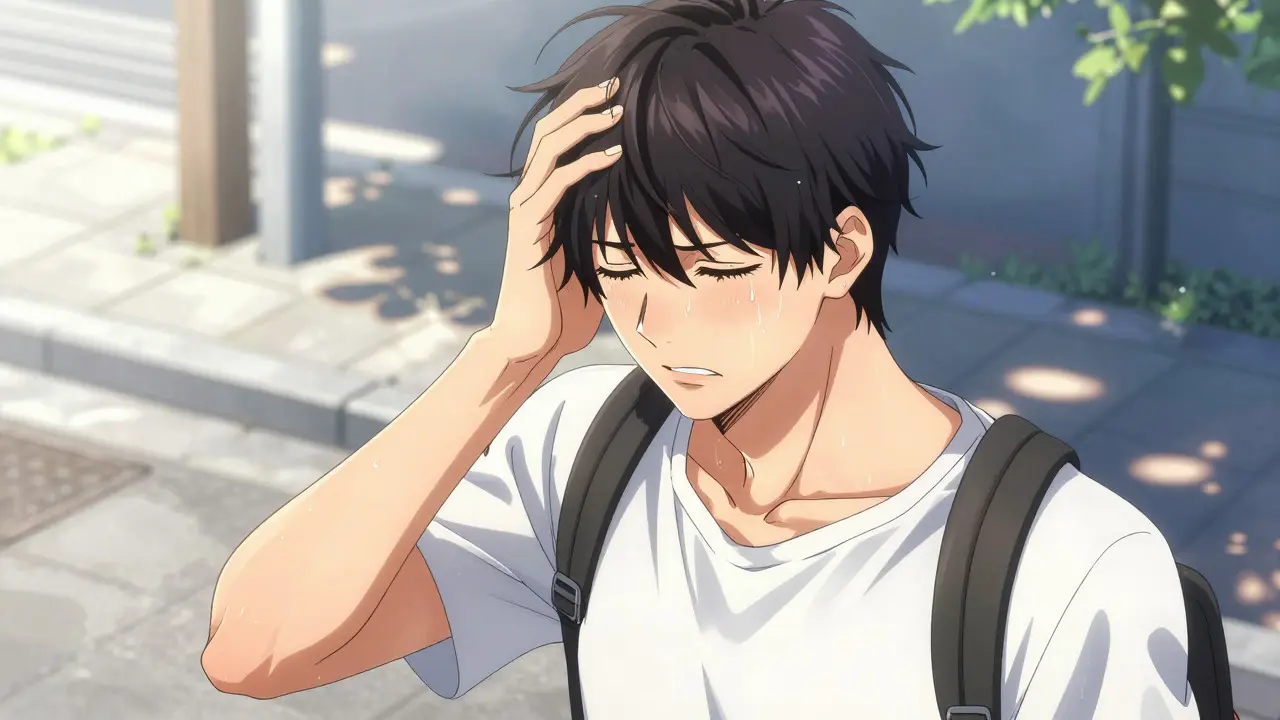
You step outside on a warm July afternoon, expecting the usual mild discomfort of summer. But instead, you feel dizzy, your skin stays dry despite the heat, and a headache starts pounding behind your eyes. If you take prescription medications, this isn't just "feeling hot." It could be heat intolerance, a condition where your body loses its ability to cool itself down because certain drugs interfere with sweating or blood flow. For millions of Americans, this is a silent danger that turns a normal day into a medical emergency.
We often think of sweat as gross or inconvenient, but it is actually our most critical survival mechanism against overheating. When medications block this process, your core temperature can spike rapidly, leading to heat exhaustion or even life-threatening heat stroke. The Centers for Disease Control and Prevention (CDC) reports that medication-related issues account for nearly one-fifth of all heat-related emergency visits among adults over 50. Understanding which pills put you at risk is not just about comfort; it’s about staying safe.
Why Your Body Can’t Cool Down
To understand why medications cause decreased sweating, we first need to look at how your body normally handles heat. When your internal temperature rises, your brain sends signals to your sweat glands to release moisture. As that moisture evaporates from your skin, it carries heat away. Simultaneously, your blood vessels near the skin surface widen (vasodilation) to release more heat into the air.
Certain medications disrupt this delicate balance in three main ways:
- Blocking Sweat Glands: Some drugs stop the chemical signals that tell your glands to produce sweat.
- Reducing Blood Flow: Others prevent your blood vessels from widening, trapping heat inside your body.
- Depleting Fluids: Some force your kidneys to flush out water faster than you can replace it, leaving no fluid left for sweating.
When any of these systems fail, your body becomes like a car with a broken radiator. The engine keeps running, generating heat, but there’s no way to dissipate it. This is why people on specific medications can develop heat stroke even when the outdoor temperature feels only moderately warm.
The High-Risk Medication Classes
Not all drugs affect your temperature regulation equally. Research published in the Journal of Clinical Medicine identifies 14 distinct classes of medications that impair thermoregulation. Here are the most common culprits you might find in your medicine cabinet.
Diuretics (Water Pills)
If you take hydrochlorothiazide (Microzide) or chlorthalidone for high blood pressure, you are likely familiar with frequent bathroom trips. These thiazide diuretics force your kidneys to excrete 1-2 liters of extra fluid daily. Dr. David Cutler, a family medicine physician, notes that this dehydration reduces your sweat production capacity by 30-50%. Without enough fluid volume, your body simply cannot make sweat. You become dehydrated before you even start exercising or standing in the sun.
Beta Blockers
Medications like metoprolol (Toprol XL) and propranolol (Inderal) are standard treatments for heart conditions and anxiety. However, they also slow your heart rate and reduce cutaneous blood flow by 25-40%. Dr. Dawn Shill, a pharmacist at the Veterans Affairs Healthcare System, explains that beta blockers prevent blood vessels from dilating properly. Heat gets trapped in your core because the blood can’t reach the skin’s surface to release it. Non-selective beta blockers like propranolol have a stronger effect than selective ones like metoprolol, making the former slightly higher risk in extreme heat.
Anticholinergics
This class includes many common drugs: overactive bladder treatments like oxybutynin, antihistamines such as diphenhydramine (Benadryl), and some antidepressants. They work by blocking acetylcholine, a neurotransmitter essential for activating sweat glands. Studies show they can reduce sweating capacity by 60-80%. If you’ve ever taken Benadryl and felt unusually warm or dry, this is why. In hot weather, this suppression can be dangerous because your primary cooling system is effectively turned off.
GLP-1 Receptor Agonists
Newer weight-loss and diabetes drugs like semaglutide (Ozempic, Wegovy) have gained massive popularity. However, they carry a unique risk: they suppress the sensation of thirst by 40-50%. According to Dr. Nish Shah at Houston Methodist, patients may not realize they are dehydrated until symptoms appear. Since sweating requires adequate hydration, this suppressed thirst signal creates a hidden pathway to heat illness.
Psychotropic Medications
Antipsychotics (like haloperidol and olanzapine) and Tricyclic Antidepressants (TCAs like amitriptyline) are among the highest-risk categories. They disrupt both sweating and the hypothalamus-the part of your brain that acts as your internal thermostat. TCAs decrease sweating by 65-75%, while antipsychotics can cause heat stroke even at moderate temperatures of 80-90°F (27-32°C). Lithium, used for bipolar disorder, is particularly dangerous because dehydration causes lithium levels in the blood to spike, potentially leading to toxicity.
| Medication Class | Primary Mechanism | Impact on Cooling | Key Risk Factor |
|---|---|---|---|
| Thiazide Diuretics | Fluid Depletion | Reduces sweat volume by 30-50% | Rapid dehydration |
| Beta Blockers | Reduced Blood Flow | Traps heat in core (vasoconstriction) | Inability to dissipate heat |
| Anticholinergics | Sweat Gland Blockade | Reduces sweating by 60-80% | Dry skin despite high heat |
| GLP-1 Agonists | Thirst Suppression | Indirect dehydration risk | Lack of awareness of fluid needs |
| Antipsychotics/TCAs | Central Nervous System Disruption | Impaired thermostat & sweating | High risk of heat stroke |

Recognizing the Warning Signs
Heat illness doesn’t always announce itself with dramatic symptoms. According to the Catholic Health System, early signs of medication-induced heat intolerance include:
- Headache: Present in 70% of cases, often throbbing and persistent.
- Muscle Cramps: Occurring in 65% of cases, usually in legs or abdomen.
- Dizziness or Weakness: Affecting 55-60% of individuals, feeling faint upon standing.
- Flushed Skin: Red, hot skin that may still feel dry if sweating is blocked.
- Nausea: A sign that your body is under significant stress.
A critical red flag is lack of sweating. If you are in a hot environment, exercising, or stressed, but your skin remains dry, seek shade and cool down immediately. This symptom appears in 85% of severe heat intolerance cases and indicates your cooling system has failed.
Practical Strategies for Staying Safe
You don’t necessarily need to stop taking your life-saving medications, but you do need to adapt your behavior during hot months. Here is a actionable checklist based on CDC and clinical guidelines.
- Hydrate Proactively: Don’t wait until you’re thirsty. Increase your fluid intake by 500-1000mL above your normal baseline during heat advisories. For those on GLP-1 drugs, set hourly reminders to drink water since your thirst cue is muted.
- Monitor Your Weight: Weigh yourself daily in the morning. A loss of more than 2% of your body weight indicates significant fluid depletion. If you drop 4 pounds and weigh 200 lbs, you are dangerously dehydrated.
- Avoid Peak Heat Hours: Stay indoors between 10 AM and 4 PM. Solar radiation is most intense during these hours, accounting for 70-80% of daily UV exposure. If you must go out, seek shaded routes.
- Use Air Conditioning: When temperatures exceed 90°F (32°C), AC is not a luxury; it’s a medical necessity. Spend at least two hours a day in a cooled environment to reset your core temperature.
- Wear Cooling Gear: For patients on antipsychotics or anticholinergics, consider using cooling vests. These devices can lower core temperature by 0.5-1.0°C, providing a crucial buffer against heat stroke.
- Check for Photosensitivity: If you take ACE inhibitors, ARBs, or calcium channel blockers, your skin may burn easier. Use SPF 30+ sunscreen daily to prevent sunburn, which further impairs cooling.

When to Seek Medical Help
Know the difference between heat exhaustion and heat stroke. Heat exhaustion is serious but treatable with rest, fluids, and cooling. Heat stroke is a medical emergency. Call 911 immediately if someone experiences:
- Confusion, slurred speech, or irritability
- Loss of consciousness
- A body temperature above 103°F (39.4°C)
- Hot, red, and dry skin (or profuse sweating if not medication-blocked)
Mortality rates for untreated heat stroke range from 10% to 65%. Speed matters. While waiting for help, move the person to a cool area and apply ice packs to the neck, armpits, and groin to target major blood vessels.
The Growing Climate Challenge
The risk of medication-induced heat intolerance is rising. With 2023 being the hottest year on record, climate change is extending the season of danger. The Lancet Countdown projects a 40-60% increase in heat-related medication complications by 2050. Hospitals are adapting; Epic Systems now includes automatic heat-risk alerts for high-risk medications in electronic health records. Wearable technology, like the FDA-approved TempTraq core temperature monitor, is becoming available for high-risk patients.
As we face hotter summers, knowledge is your best defense. Review your medication list with your doctor or pharmacist every spring. Ask specifically: "Does this drug affect my sweating or hydration?" Small adjustments in routine can mean the difference between enjoying summer and ending up in the ER.
Can I stop taking my medication if it causes heat intolerance?
Never stop prescribed medication without consulting your doctor. Abruptly stopping beta blockers, antidepressants, or blood pressure meds can cause rebound effects that are more dangerous than heat intolerance. Instead, ask your provider if there are alternative medications with fewer thermoregulatory side effects, or discuss timing adjustments (e.g., taking diuretics earlier in the day).
Which medications are safest to take in hot weather?
Generally, SSRIs (like fluoxetine) have less impact on sweating than Tricyclic Antidepressants. Selective beta-1 blockers (like metoprolol) are safer than non-selective ones (like propranolol). Potassium-sparing diuretics cause less fluid loss than thiazides. Always compare options with your healthcare provider based on your specific medical history.
How does alcohol interact with heat-affecting medications?
Alcohol is a diuretic and causes vasodilation, which can worsen dehydration and dizziness caused by medications like diuretics or beta blockers. It also impairs judgment, making you less likely to recognize early signs of heat exhaustion. Limit alcohol consumption during heat waves, especially if you are on multiple medications.
Are children at risk for medication-induced heat intolerance?
Yes, though less commonly discussed. Children taking stimulants for ADHD (like Adderall or Ritalin) generate more internal heat due to increased metabolic rate. Parents should ensure these children stay hydrated and avoid excessive outdoor activity during peak heat. Symptoms in children can escalate quickly, so watch for lethargy and irritability.
What should I do if I forget to drink water while on GLP-1 drugs?
If you are on semaglutide or similar drugs and realize you haven’t drunk enough water, sip electrolyte solutions slowly rather than chugging plain water. Electrolytes help retain fluid. Monitor for headaches or dark urine, which are signs of dehydration. If you feel dizzy, sit down in a cool place immediately and hydrate gradually over the next few hours.