
Every day, thousands of people suffer harm not because they lack medical care, but because the medicine itself causes problems. When you hear "drug side effects," you might think of mild nausea. But Adverse Drug Eventsare injuries resulting from medical intervention related to a drug. These incidents range from preventable mistakes in dosing to unpredictable body reactions. The stakes are incredibly high. Research shows these events cause hundreds of thousands of hospital visits every year. Understanding exactly what triggers them is your first step toward staying safe.
Understanding the Difference Between an Error and a Reaction
People often confuse an adverse drug event (ADE) with a simple mistake. It helps to draw a clear line between the two concepts to see how they overlap. An adverse drug reaction happens when your body doesn't react well to a medication taken correctly. For example, taking Penicillin might trigger an allergic reaction even if the doctor prescribed it perfectly.
On the other hand, a Medication Erroris a preventable event that could result in inappropriate medication use or patient harm. Think of it as a glitch in the process. Maybe a nurse misread a label, or a computer system failed to flag an interaction. Both lead to the same result: harm to the patient. That is why health experts group them under the broader umbrella of adverse drug events.
| Term | Definition | Preventability | Example |
|---|---|---|---|
| Adverse Drug Reaction | Harmful response at normal dose | Often unpredictable | Allergic rash from antibiotics |
| Medication Error | Mistake in prescription/dispensing | Highly preventable | Wrong dose administered |
| Overdose | Taking more than intended | Mixed prevention potential | Accidental double-dosing |
The distinction matters because prevention looks different for each type. You can't always stop a genuine allergy, but you can almost certainly stop a dosage error. By tracking both, medical systems get a true picture of patient safety.
How Common Are Adverse Drug Events?
The numbers paint a concerning picture. According to recent health data, adverse drug events contribute to over 1 million emergency department visits annually in the United States alone. If we look at hospital admissions, roughly 125,000 people end up hospitalized specifically because of these incidents. This is not just theoretical risk; it is happening on a massive scale right now.
The World Health Organization recognized this global crisis by launching their "Medication Without Harm" challenge. Their goal was to cut severe medication-related harm by half within five years. While progress is being made, the sheer volume remains a priority for health agencies. The U.S. Department of Health and Human Services tracks this through their National Action Plan, identifying ADEs as a top safety threat. When you consider that 3.5 million physician office visits link back to drug issues, the magnitude becomes undeniable.

Three Major Culprits Behind Most Incidents
Not all medicines pose the same risks. Certain drug classes consistently show up in safety reports. Understanding which medications carry higher risks helps you ask better questions during appointments. Three specific groups dominate the statistics.
First, there are anticoagulants, often called blood thinners. Drugs like Warfarin save lives by preventing clots, but they walk a fine line. If your levels drift too low, you clot; too high, and you bleed. Data suggests that bleeding events from these drugs account for 33% of hospital-related adverse events. Monitoring the INR level is critical, yet studies show target ranges are missed in over one-third of outpatient tests.
Second, diabetes management relies heavily on Insulina hormone therapy used to control blood sugar levels. Hypoglycemia, or low blood sugar, is a frequent issue here. About 27% of ADE-related emergency visits involve insulin issues. This is particularly dangerous for older adults, where falls caused by sudden dizziness can lead to further injury.
Third, opioids remain a major concern. Synthetic opioids like fentanyl have driven a spike in overdose deaths. Beyond addiction, the sedative effect causes accidental overdoses in non-addicted patients as well. Roughly 40% of medication-related deaths link back to these powerful pain relievers.
The Role of Modern Technology in Prevention
We cannot rely solely on human memory to catch errors. Modern healthcare systems are deploying technology to act as a safety net. Electronic Health Records (EHRs) have become standard in nearly 90% of hospitals. However, simply having a digital record isn't enough. The real power lies in Clinical Decision Supportsoftware features that provide recommendations and alerts to clinicians.
Imagine a system that stops a pharmacist before they print a prescription. It flags a dangerous interaction between a heart medication and a new antibiotic. Studies from the Agency for Healthcare Research and Quality show that such electronic prescribing systems can reduce error rates by nearly 50%. This isn't science fiction; it's happening in clinics today.
Beyond basic alerts, pharmacists are using specialized tools. Medication Therapy Management allows a professional to review your entire list. They aren't just checking interactions; they are looking at redundancy. Are you taking two drugs that do the exact same thing? Is one of them unnecessary for your age? A study found that formal medication reconciliation reduces post-discharge adverse events by almost half.

The Human Element: What Patients Can Do
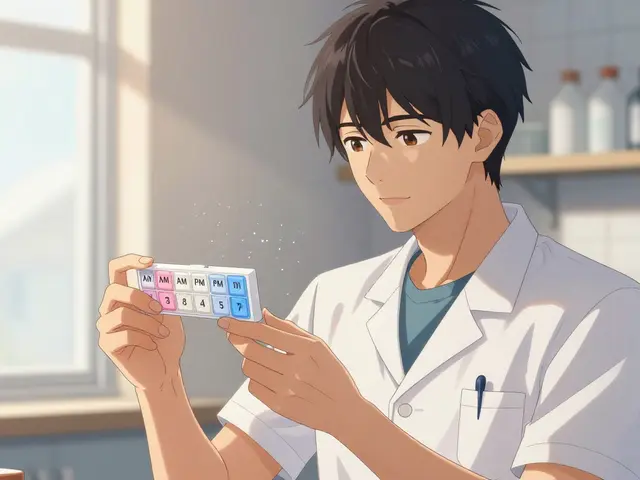
While hospitals upgrade computers, you have a role to play in your own safety. The most effective tool you possess is a written list of everything you take. This includes prescription pills, vitamins, and herbal supplements. Bring this list to every doctor visit. Doctors often don't know what the specialist down the street prescribed six months ago.
Pharmacogenomics is emerging as a game-changer here. It involves testing your genes to see how you metabolize certain drugs. Some people process warfarin differently based on their DNA. Testing beforehand can help choose the right dose immediately, potentially reducing adverse events linked to those specific drugs by over 35%. As this technology expands, expect more personalized dosing rather than trial-and-error approaches.
Educating yourself about signs of trouble is also vital. Don't dismiss symptoms like unusual bruising or extreme fatigue as "just getting older." If a new drug starts causing weird symptoms, speak up immediately. Patient education programs improve adherence rates significantly. Knowing what to expect prevents panic, and knowing what NOT to expect saves lives.
Future Directions in Medication Safety
The fight against adverse drug events is entering a new phase. Artificial intelligence is moving from pilot programs to practical application. Hospitals are training algorithms to analyze dozens of patient variables at once-kidney function, age, concurrent diagnoses-to predict who is at risk before a dose is even given. Early pilots have already shown a reduction in adverse events for high-risk populations.
Policy changes are also driving this forward. The federal government continues to update its Action Plan, adding new priorities like monitoring monoclonal antibodies and antipsychotics as these newer drugs enter the market. Surveillance tools like the FDA Sentinel Initiative monitor millions of records to catch rare problems that only appear after widespread use. With the integration of predictive analytics, the medical field aims to move from reactive corrections to proactive prevention.
Can an adverse drug event happen even if I take my medicine correctly?
Yes. If the body reacts unpredictably to a standard dose, such as an allergic response or an idiosyncratic reaction, it is classified as an adverse drug reaction. These are not considered errors in administration but are still categorized as adverse drug events.
What are the most common drugs involved in adverse events?
The highest risks usually come from anticoagulants (blood thinners), insulin and diabetes agents, and opioids. These three categories account for a significant portion of hospitalizations and emergency visits due to medication harm.
How can I keep track of my medications safely?
Maintain an updated written list of all prescriptions, over-the-counter drugs, and supplements. Share this list with every healthcare provider you see and bring the physical bottles to your appointments to ensure names and doses match.
Does insurance cover genetic testing for drug metabolism?
Coverage varies widely by insurer. Pharmacogenomic testing is increasingly available, but adoption is currently around 5%. Check with your provider to see if clinical trials or specific formularies cover testing for high-risk medications.
Are electronic prescriptions actually safer than paper ones?
Studies indicate that comprehensive electronic prescribing systems with decision support can reduce error rates by roughly 48%. However, effectiveness depends on whether the system is fully integrated and alerts are actively managed.



Divine Manna
April 2, 2026 AT 16:17It is imperative to understand that pharmacodynamics dictate the outcome more than dosage charts suggest. Many individuals lack the fundamental knowledge required to interpret clinical data accurately. The distinction between error and reaction is often blurred by laypeople without proper training. Medical professionals know that systemic oversight fails when patients do not report symptoms immediately. Ignorance regarding drug interactions leads to preventable hospital admissions every single day. We must hold institutions accountable for failing to educate the public adequately. Electronic records help only if the input data remains pristine and verified. Without rigorous checks in place, algorithms will simply automate existing mistakes efficiently. The burden of proof lies with the prescriber to justify every single intervention. Patients cannot navigate complex metabolic pathways without expert guidance. Society demands safety above convenience when prescribing life-saving treatments. Statistical models predict harm but fail to capture individual variance completely. Proper documentation ensures that future physicians can see past treatment failures clearly. Blaming the patient for adverse reactions ignores the systemic design flaws entirely. Healthcare systems prioritize cost containment over actual patient outcomes frequently. We need legislation that forces transparency in reporting adverse events publicly. Only then can we hope to reduce the mortality rates associated with these incidents.
Beth LeCours
April 3, 2026 AT 15:23It seems hard to believe all those numbers add up correctly sometimes.
Ace Kalagui
April 5, 2026 AT 12:41We really need to focus on how everyone supports each other through these medical challenges daily. It feels overwhelming when you read about the numbers involved in emergency visits globally. Community support becomes essential when people feel scared about taking necessary medications safely. Sharing your own experiences helps others feel less isolated during scary medical transitions. Many cultures view medication differently and understanding those perspectives builds trust slowly. Empathy drives change far more than any strict policy ever could realistically achieve today. When families talk openly about side effects, they create a safer environment for discovery. Education works best when delivered with kindness rather than harsh judgment from experts. We all want our loved ones to stay healthy and avoid unnecessary pain or confusion. Doctors might miss details if they do not listen to the full story carefully. Pharmacists play a huge role in catching potential issues before harm occurs actually. Building a network of care providers around your personal health journey is vital. Technology should bridge gaps between different specialists working on the same patient case. Trust is rebuilt when honest communication happens consistently throughout the treatment process. Let us encourage everyone to speak up whenever something feels wrong or unclear. Your voice matters immensely in shaping the future of medication safety standards everywhere.
Joey Petelle
April 6, 2026 AT 04:44Oh great another article trying to scare people into paying more for useless tests. They love telling us about risk but ignore how expensive the solution actually costs. Most of us cant afford the fancy genetic screening nonsense anyway. Big pharma profits regardless of whether we die or live safely. Just another way for hospitals to bill more money for paperwork. If the system wasnt broken nobody would need so many alerts. Real protection comes from common sense not expensive software glitches. Americans are just targets for the insurance industry looking for excuses to deny coverage. Stop acting surprised when medicine hurts you since its obvious most people get harmed. The truth is nobody wants to admit doctors make mistakes constantly.
angel sharma
April 7, 2026 AT 11:48You must take charge of your own health journey with absolute determination today. Never wait until problems arise before you review your current medication list thoroughly. Proactive monitoring prevents serious complications from developing silently over time. Every vitamin counts towards your overall wellness goals and needs tracking. Keep a notebook where you write down everything you consume daily. Share this detailed record with every specialist who asks about your history. Knowledge empowers you to demand better care when standard options fail you. Stay alert for signs like fatigue or bruising that indicate deeper issues. Communication with your doctor saves lives before things spiral out of control unexpectedly. Genetic testing provides insights that standard lab work cannot reveal easily. Personalized medicine represents the future of safe prescribing practices for everyone. Dont let fear stop you from asking important questions about new prescriptions. Your body responds uniquely to substances and requires individual attention always. Taking responsibility means reviewing labels and instructions with critical eye regularly. Small habits lead to massive improvements in avoiding preventable drug harms. Be bold about your safety because nobody cares about you like you do.
Joseph Rutakangwa
April 7, 2026 AT 18:48bring a list of everything you take to appointments always. dont forget supplements and vitamins matter too. ask the pharmacist to check interactions before leaving store. keep copies of old scripts in a folder safe. review the paperwork closely when picking up refills. trust but verify what the bottle says versus what doc wrote. update the list after every visit with new info. share this habit with family members living at home. simple steps save lives without costing extra money
Dee McDonald
April 9, 2026 AT 18:24We need immediate action on implementing these safety protocols across all facilities. Waiting for studies to finish delays saving lives unnecessarily. Demand your clinic has electronic decision support installed now. Push for pharmacogenomic testing coverage to become standard practice soon. Accountability starts with you refusing to accept poor documentation from providers. If you see a mistake report it directly to authorities immediately. Patient advocacy groups should pressure legislators for stricter regulations faster. Safety culture depends on every individual speaking loudly about issues. Silence protects neither the patient nor the provider involved here. Fight for your rights to safe medication management every single day.
Will Baker
April 10, 2026 AT 21:07Nothing changes because people never learn from previous tragedies effectively enough. Its always someone elses fault when things go south in the end. Why bother keeping records when the computer makes errors constantly anyway. We are told to be careful yet the system guarantees harm somehow. I prefer pretending everything is fine rather than facing ugly reality. Optimism does nothing for preventing bleeding episodes or overdoses sadly. Everyone thinks they are special until the drugs stop working suddenly. Complaining about safety while ignoring how bad things truly are.